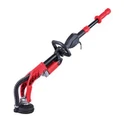
How does a ride on concrete grinder work?
As a supplier of ride on concrete grinders, I'm often asked about how these powerful machines operate. Understanding the working mechanism of a ride on concrete grinder is crucial for both contractors looking to invest in the equipment and operators who will be using it on a daily basis. In this blog post, I'll delve into the details of how a ride on concrete grinder works, its key components, and the benefits it offers.
Key Components of a Ride on Concrete Grinder
Before we discuss how a ride on concrete grinder works, let's first familiarize ourselves with its main components. A typical ride on concrete grinder consists of the following parts:
- Frame and Chassis: The frame and chassis provide the structural support for the entire machine. They are designed to be sturdy and durable, capable of withstanding the rigors of heavy-duty grinding operations.
- Grinding Heads: The grinding heads are the heart of the machine. They are equipped with abrasive discs or segments that come into contact with the concrete surface to remove material. The number and configuration of the grinding heads can vary depending on the model and size of the grinder.
- Motor: The motor powers the grinding heads and provides the necessary torque to drive the machine forward. Most ride on concrete grinders are powered by electric or gasoline engines, depending on the specific requirements of the job site.
- Control Panel: The control panel allows the operator to adjust the speed, pressure, and other settings of the grinder. It also provides important information such as the operating temperature, engine status, and battery level.
- Steering System: The steering system enables the operator to maneuver the grinder in different directions. It can be either manual or hydraulic, depending on the model of the machine.
- Dust Collection System: A dust collection system is essential for maintaining a clean and safe working environment. It captures the dust and debris generated during the grinding process and prevents it from being released into the air.
How a Ride on Concrete Grinder Works
Now that we know the key components of a ride on concrete grinder, let's take a closer look at how it works. The process can be divided into the following steps:
- Preparation: Before starting the grinder, the operator needs to prepare the job site. This includes removing any obstacles, marking the area to be ground, and ensuring that the surface is clean and dry.
- Setup: The operator then needs to set up the grinder according to the specific requirements of the job. This includes adjusting the speed, pressure, and other settings on the control panel, as well as installing the appropriate grinding discs or segments.
- Start the Machine: Once the setup is complete, the operator can start the machine by turning on the motor. The motor will power the grinding heads and provide the necessary torque to drive the machine forward.
- Grinding: As the grinder moves forward, the grinding heads come into contact with the concrete surface and start to remove material. The abrasive discs or segments on the grinding heads rotate at high speed, creating friction and heat that break down the concrete.
- Dust Collection: As the grinding process generates a significant amount of dust and debris, the dust collection system is activated to capture and remove the particles. This helps to maintain a clean and safe working environment and prevents the dust from being released into the air.
- Steering and Maneuvering: The operator uses the steering system to maneuver the grinder in different directions and ensure that the entire surface is evenly ground. The steering system can be either manual or hydraulic, depending on the model of the machine.
- Monitoring and Adjusting: Throughout the grinding process, the operator needs to monitor the machine's performance and adjust the settings as needed. This includes checking the temperature, engine status, and battery level, as well as adjusting the speed and pressure to ensure optimal results.
- Completion: Once the grinding is complete, the operator needs to turn off the machine and clean it thoroughly. This includes removing any remaining dust and debris from the grinding heads, motor, and other components.
Benefits of Using a Ride on Concrete Grinder
There are several benefits to using a ride on concrete grinder compared to traditional hand-held grinders. Some of the key advantages include:
- Increased Productivity: Ride on concrete grinders are designed to cover large areas quickly and efficiently. They can grind up to 10 times faster than hand-held grinders, which means that you can complete your projects in less time and with fewer resources.
- Improved Quality: The large grinding heads on ride on concrete grinders provide a more consistent and even finish compared to hand-held grinders. This results in a smoother and more professional-looking surface that is free of scratches and unevenness.
- Reduced Operator Fatigue: Operating a hand-held grinder for an extended period of time can be physically demanding and tiring. Ride on concrete grinders, on the other hand, allow the operator to sit comfortably and control the machine from a seated position, reducing fatigue and improving productivity.
- Enhanced Safety: Ride on concrete grinders are equipped with a variety of safety features, such as emergency stop buttons, safety guards, and dust collection systems. These features help to protect the operator from injury and ensure a safe working environment.
- Versatility: Ride on concrete grinders can be used for a wide range of applications, including floor preparation, surface leveling, and polishing. They can also be used on different types of concrete surfaces, such as floors, walls, and countertops.
Types of Ride on Concrete Grinders
There are several types of ride on concrete grinders available on the market, each with its own unique features and benefits. Some of the most common types include:


- Dust Free Concrete Grinder: These grinders are equipped with a dust collection system that captures and removes the dust and debris generated during the grinding process. This helps to maintain a clean and safe working environment and prevents the dust from being released into the air.
- Three Discs Concrete Grinder: These grinders are equipped with three grinding heads that work together to provide a more efficient and effective grinding process. They are ideal for large-scale projects and can cover a wider area in less time.
- Concrete Grinder Single Disc: These grinders are equipped with a single grinding head and are typically used for smaller projects or for grinding in tight spaces. They are more maneuverable and easier to control than larger grinders.
Conclusion
In conclusion, a ride on concrete grinder is a powerful and versatile machine that can significantly improve the efficiency and quality of your concrete grinding projects. By understanding how it works and the key components involved, you can make an informed decision when choosing the right grinder for your needs. Whether you're a contractor looking to invest in new equipment or an operator looking to improve your skills, a ride on concrete grinder is a valuable tool that can help you achieve your goals.
If you're interested in learning more about our ride on concrete grinders or would like to discuss your specific requirements, please don't hesitate to contact us. We would be happy to provide you with more information and answer any questions you may have.
References
- Concrete Grinding Handbook, [Publisher Name], [Year]
- Guide to Concrete Surface Preparation, [Publisher Name], [Year]