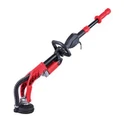
As a supplier of Concrete Grinding Tools, I've seen firsthand the waste generated by these tools. It's a significant issue, not just for the environment but also for the bottom line of businesses using these tools. So, what's the best way to handle this waste? Let's dive in and explore some practical solutions.
First off, let's understand the types of waste we're dealing with. When using Split PCD Scraper Tools, Concrete Floor Grinding Blocks, and HTC Floor Grinding Tools, the waste mainly consists of used abrasive materials, metal parts, and dust. Each type of waste requires a different approach for proper handling.
Recycling Abrasive Materials
Abrasive materials are a major component of concrete grinding tools. Once they're worn out, they can often be recycled. Recycling these materials not only reduces waste but also conserves natural resources. Many recycling facilities specialize in handling abrasive waste. They can process the used abrasives and turn them into new products.


For example, some recycling plants can crush and sort the abrasive materials to separate different types of grits. These separated grits can then be used in the manufacturing of new grinding tools or other abrasive products. It's a win - win situation: we reduce the amount of waste going to landfills and save on the cost of raw materials for new tool production.
Reusing Metal Parts
The metal parts of concrete grinding tools, such as the tool holders and frames, can often be reused. Instead of throwing them away when the abrasive part is worn out, we can refurbish these metal components. This might involve cleaning, repairing any damage, and then re - attaching new abrasive elements.
Reusing metal parts has several benefits. It's cost - effective because we don't have to manufacture new metal parts from scratch. It also reduces the energy consumption associated with metal production. For instance, melting down and recasting metal requires a significant amount of energy, so reusing the existing metal parts helps in cutting down on this energy use.
Managing Dust
Dust is another by - product of concrete grinding. This dust can be harmful to the environment and human health if not properly managed. When grinding concrete, a large amount of fine dust is generated, which can contain silica. Silica dust is a known carcinogen, so it's crucial to handle it safely.
One of the best ways to manage dust is by using dust collection systems during the grinding process. These systems can capture a large portion of the dust at the source. Once collected, the dust can be disposed of properly. Some dust collection systems are designed to separate the dust into different particle sizes, which can then be used in other applications. For example, larger dust particles can be used as a filler in construction materials.
Donating or Selling Used Tools
If a concrete grinding tool is no longer suitable for our business but still in working condition, we can consider donating or selling it. There might be smaller contractors or DIY enthusiasts who could benefit from a used tool at a lower cost.
Donating used tools is a great way to give back to the community. It can also help in reducing waste. On the other hand, selling used tools can generate some extra income. We can list these tools on online marketplaces or local classified ads. This way, we extend the lifespan of the tools and prevent them from ending up in landfills prematurely.
Proper Disposal
In some cases, despite our best efforts, some waste from concrete grinding tools cannot be recycled or reused. In these situations, proper disposal is essential. We need to follow local regulations regarding waste disposal. This might involve taking the waste to a licensed landfill or waste treatment facility.
It's important to label the waste correctly to ensure that it's handled safely. For example, if the waste contains hazardous materials like certain types of chemicals used in the tool manufacturing process, it must be disposed of in accordance with hazardous waste regulations.
Implementing a Waste Management Plan
As a supplier of concrete grinding tools, I recommend that businesses implement a comprehensive waste management plan. This plan should outline the procedures for handling each type of waste generated by the grinding tools.
The plan should include details such as how often the waste will be collected, which recycling or disposal facilities will be used, and who is responsible for each step of the waste management process. By having a well - defined plan, we can ensure that waste is handled efficiently and in an environmentally friendly manner.
Educating Customers
Another important aspect is educating our customers about waste management. Many users of concrete grinding tools might not be aware of the best practices for handling waste. We can provide information in the product manuals, on our website, or through training sessions.
For example, we can include a section in the product manual that explains how to recycle or reuse the different parts of the tool. We can also offer tips on dust management during the grinding process. By educating our customers, we can encourage them to adopt more sustainable waste management practices.
Collaboration with Recycling Partners
To make the waste management process more effective, we can collaborate with recycling partners. These partners can help us in identifying the best recycling methods for different types of waste. They can also provide us with the necessary equipment and facilities for waste collection and processing.
For instance, we can work with a recycling company to set up a collection system at our business premises. This company can then transport the waste to their recycling facility and provide us with reports on the recycling process. This collaboration can streamline the waste management process and ensure that we're making the most of the recycling opportunities available.
Cost - Benefit Analysis
When considering different waste management options, it's important to conduct a cost - benefit analysis. While some recycling or reuse methods might require an initial investment, the long - term benefits can outweigh the costs.
For example, investing in a dust collection system might seem expensive at first, but it can reduce the risk of health issues for our workers, which can save on medical costs and potential legal liabilities. Similarly, recycling abrasive materials can save on the cost of raw materials for new tool production in the long run.
Conclusion
Handling the waste generated by concrete grinding tools is a multi - faceted challenge, but there are many effective solutions available. By recycling abrasive materials, reusing metal parts, managing dust, donating or selling used tools, and implementing a proper waste management plan, we can significantly reduce the environmental impact of our operations.
As a supplier of concrete grinding tools, I'm committed to promoting sustainable waste management practices. I encourage all our customers to explore these options and make a positive change in how they handle their waste. If you're interested in learning more about our products or discussing waste management solutions, feel free to reach out. We're here to help you make the most of your concrete grinding tools while being environmentally responsible.
References
- Environmental Protection Agency. "Waste Management Basics."
- Recycling Today. "Recycling Abrasive Materials."
- Occupational Safety and Health Administration. "Silica Dust in Construction."