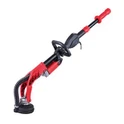
Hey there! As a supplier of floor grinding machines, I often get asked about the working area range of these nifty tools. So, I thought I'd sit down and write a blog post to clear up any confusion.
Let's start with the basics. A floor grinding machine is a powerful piece of equipment used to smooth, level, and polish various types of floors, including concrete, epoxy, and terrazzo. The working area range of a floor grinding machine can vary widely depending on several factors, such as the type of machine, its size, and the specific application.
Types of Floor Grinding Machines
There are several types of floor grinding machines available on the market, each with its own working area range. The most common types include:
-
Handheld Floor Grinders: These are small, portable machines that are ideal for small-scale projects or hard-to-reach areas. They typically have a working area range of a few square feet to around 10 square feet per pass. Handheld grinders are great for touch-ups, edge work, and small repairs. For example, if you need to smooth out a small patch of concrete in a corner or around a pipe, a handheld grinder is the way to go. You can find a great selection of Diamond Grinder for Concrete on our website.
-
Walk-Behind Floor Grinders: These are larger, more powerful machines that are designed for medium to large-scale projects. Walk-behind grinders can cover a much larger area per pass, typically ranging from 10 to 50 square feet or more, depending on the model. They are commonly used for grinding and polishing large concrete floors, such as those in warehouses, factories, and commercial buildings. If you're working on a big project, a walk-behind floor grinder will save you a lot of time and effort. Check out our Concrete Diamond Epoxy Floor Grinder for a high-quality option.
-
Ride-On Floor Grinders: These are the biggest and most powerful floor grinding machines available. They are designed for large-scale commercial and industrial projects, such as airports, shopping malls, and convention centers. Ride-on grinders can cover an area of 50 square feet or more per pass, making them incredibly efficient for grinding and polishing large floors. If you have a massive project on your hands, a ride-on floor grinder is the ultimate solution. Take a look at our Grind and Polish Concrete Floor Machine for a top-of-the-line ride-on option.
Factors Affecting the Working Area Range
In addition to the type of machine, several other factors can affect the working area range of a floor grinding machine. These include:
-
Machine Size and Weight: Generally, larger and heavier machines can cover a larger area per pass. This is because they have more powerful motors and larger grinding discs, which allow them to remove more material in one go. However, larger machines can also be more difficult to maneuver, especially in tight spaces.
-
Grinding Disc Size and Type: The size and type of grinding disc used can also have a significant impact on the working area range. Larger grinding discs can cover a larger area, but they may not be as effective for detailed work. Different types of grinding discs are designed for different applications, such as rough grinding, fine grinding, or polishing. Choosing the right grinding disc for the job is crucial for achieving the best results.
-
Floor Surface Condition: The condition of the floor surface can also affect the working area range. If the floor is rough or uneven, the machine may need to make multiple passes to achieve a smooth finish, which can reduce the overall working area range. On the other hand, if the floor is already relatively smooth, the machine can cover a larger area per pass.
-
Operator Skill and Experience: The skill and experience of the operator can also play a role in the working area range. A skilled operator will be able to operate the machine more efficiently, making fewer passes and covering a larger area in less time. It's important to provide proper training to operators to ensure they are using the machine correctly and safely.
Calculating the Working Area Range
To calculate the working area range of a floor grinding machine, you need to consider the following factors:


- Grinding Disc Diameter: Measure the diameter of the grinding disc in inches.
- Overlap: Determine the amount of overlap between each pass. This is typically around 10% to 20% of the grinding disc diameter.
- Speed: Estimate the speed at which the machine can move across the floor. This will depend on the type of machine, the floor surface condition, and the operator's skill.
Once you have these values, you can use the following formula to calculate the working area range per pass:
Working Area Range per Pass (square feet) = (Grinding Disc Diameter in inches / 12) x π x (Grinding Disc Diameter in inches / 12) x (1 - Overlap Percentage) x Speed (feet per minute)
For example, let's say you have a walk-behind floor grinder with a 20-inch grinding disc, an overlap of 15%, and a speed of 20 feet per minute. Using the formula, the working area range per pass would be:
(20 / 12) x π x (20 / 12) x (1 - 0.15) x 20 ≈ 37 square feet
Keep in mind that this is just an estimate, and the actual working area range may vary depending on the factors mentioned above.
Choosing the Right Floor Grinding Machine for Your Project
When choosing a floor grinding machine for your project, it's important to consider the size of the area you need to grind, the type of floor surface, and your budget. Here are some tips to help you make the right choice:
- Small Projects: If you have a small project, such as a residential garage or a small commercial space, a handheld or small walk-behind floor grinder may be sufficient. These machines are more affordable and easier to maneuver in tight spaces.
- Medium to Large Projects: For medium to large projects, such as a warehouse or a shopping mall, a larger walk-behind or ride-on floor grinder is recommended. These machines can cover a larger area per pass, saving you time and labor costs.
- Specialty Projects: If you have a specialty project, such as grinding a curved or irregularly shaped floor, you may need a machine with special features or attachments. Make sure to choose a machine that is designed for the specific application.
Conclusion
In conclusion, the working area range of a floor grinding machine can vary widely depending on the type of machine, its size, and the specific application. By understanding the factors that affect the working area range and choosing the right machine for the job, you can ensure that your floor grinding project is completed efficiently and effectively.
If you're in the market for a floor grinding machine, we'd love to help you find the perfect one for your needs. We offer a wide range of high-quality floor grinding machines, including Diamond Grinder for Concrete, Concrete Diamond Epoxy Floor Grinder, and Grind and Polish Concrete Floor Machine. Contact us today to discuss your project and get a free quote. We look forward to working with you!
References
- "Floor Grinding and Polishing Handbook"
- Manufacturer's specifications for various floor grinding machines