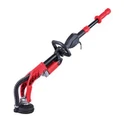
What is the dust generation of a floor grinding machine?
As a supplier of floor grinding machines, I often get asked about the dust generation of these powerful tools. Understanding dust generation is crucial, not only for the health and safety of the operators but also for the overall efficiency of the grinding process. In this blog post, I'll delve into the factors that contribute to dust generation in floor grinding machines, the potential impacts, and how to manage it effectively.
Factors Contributing to Dust Generation
1. Grinding Material
The type of material being ground is one of the primary factors influencing dust generation. For instance, when grinding concrete, which is a common application for floor grinding machines, a significant amount of dust is produced. Concrete contains various minerals such as calcium carbonate, silica, and alumina. When the grinding wheel or diamond cup wheels come into contact with the concrete surface, these particles are broken down and become airborne. The hardness and density of the concrete also play a role. Harder and denser concrete may require more force to grind, resulting in more dust being generated.
On the other hand, grinding softer materials like wood or vinyl flooring will generally produce less dust compared to concrete. However, the dust from these materials can still pose health risks, especially if they contain chemicals or adhesives.
2. Grinding Wheel or Diamond Cup Wheels
The design and condition of the grinding wheel or Floor Grinding Machine With Diamond Cup Wheels have a direct impact on dust generation. Worn - out wheels tend to generate more dust because they are less efficient at cutting through the material. Instead of cleanly removing the surface layer, they may crumble the material more, releasing a larger amount of fine particles into the air.
The type of wheel also matters. Diamond cup wheels are popular for concrete grinding due to their durability and cutting ability. They are designed to break down the concrete surface in a controlled manner. However, if the diamond segments are too worn or if the wheel is rotating at an incorrect speed, it can lead to excessive dust production.
3. Machine Speed
The rotational speed of the floor grinding machine is another critical factor. Higher speeds generally result in more dust generation. When the machine spins at a high rate, the grinding wheel or cup wheels make more rapid and forceful contact with the floor surface. This increased force shatters the material more aggressively, causing a larger volume of dust to be released.
However, running the machine at too low a speed may not be efficient either. It can lead to uneven grinding and may also cause the material to be abraded rather than cut, which can also generate dust. Finding the optimal speed for the specific material and grinding task is essential to minimize dust while maintaining productivity.
4. Environmental Conditions
The environment in which the grinding is taking place can affect dust generation. In a dry environment, dust is more likely to become airborne and spread easily. Humidity can play a role in reducing dust. Higher humidity levels can cause the dust particles to clump together, making them heavier and less likely to stay in the air.
Ventilation is also crucial. Poor ventilation can cause dust to accumulate in the work area, increasing the risk of inhalation for the operators. Adequate ventilation helps to remove the dust from the immediate vicinity, reducing the overall dust concentration in the air.
Impacts of Dust Generation
1. Health Risks
The dust generated by floor grinding machines can pose significant health risks to the operators. Concrete dust, in particular, contains silica, which is a known carcinogen. Inhaling silica dust over a long period can lead to silicosis, a serious lung disease that causes scarring of the lungs and can eventually lead to respiratory failure.
Other health issues associated with dust inhalation include asthma, bronchitis, and irritation of the eyes, nose, and throat. Wood dust can also cause allergic reactions and in some cases, may contain harmful chemicals such as formaldehyde.
2. Equipment Damage
Dust can also have a negative impact on the floor grinding machine itself. Fine dust particles can enter the machine's moving parts, such as bearings and motors, causing premature wear and tear. This can lead to increased maintenance costs and a shorter lifespan for the equipment.
In addition, dust can accumulate on the grinding wheels or cup wheels, reducing their cutting efficiency. This can result in the need for more frequent wheel replacements, adding to the overall cost of the grinding operation.
3. Worksite Cleanliness
Excessive dust can make the worksite messy and unhygienic. It can settle on tools, equipment, and other surfaces, making them difficult to clean. Dust can also contaminate other areas of the building if not properly contained, which can be a problem in commercial or residential settings.
Managing Dust Generation
1. Dust Collection Systems
One of the most effective ways to manage dust generation is by using a dust collection system. These systems are designed to capture the dust at the source, preventing it from spreading into the air. There are various types of dust collection systems available, including vacuum systems that are directly attached to the floor grinding machine.
These vacuum systems work by creating a negative pressure that sucks the dust into a collection bag or container. Some advanced systems are equipped with filters that can trap even the smallest dust particles, ensuring that the air released back into the environment is clean.
2. Wet Grinding
Wet grinding is another method to reduce dust generation. This involves spraying water onto the floor surface during the grinding process. The water helps to suppress the dust by binding the particles together, preventing them from becoming airborne.


Wet grinding is particularly effective for concrete grinding. It not only reduces dust but also helps to cool the grinding wheel or cup wheels, which can extend their lifespan. However, wet grinding requires proper drainage to prevent water from pooling on the floor, and it may not be suitable for all types of materials.
3. Personal Protective Equipment (PPE)
Operators should always wear appropriate PPE when using floor grinding machines. This includes respirators that are designed to filter out dust particles, especially those containing silica. Safety goggles should be worn to protect the eyes from flying dust, and gloves and coveralls can help to prevent skin contact with the dust.
4. Regular Maintenance
Regular maintenance of the floor grinding machine is essential to minimize dust generation. This includes checking and replacing worn - out grinding wheels or cup wheels, ensuring that the machine is running at the correct speed, and keeping the dust collection system in good working condition.
Conclusion
Understanding the dust generation of a floor grinding machine is crucial for both the health and safety of the operators and the efficiency of the grinding process. By considering the factors that contribute to dust generation, such as the grinding material, wheel type, machine speed, and environmental conditions, and taking appropriate measures to manage it, we can reduce the negative impacts of dust.
At our company, we offer a range of high - quality Floor Grinding Machine With Diamond Cup Wheels, Concrete Floor Grinding Polishing solutions, and Concrete Floor Sander products. We are committed to providing our customers with equipment that not only meets their grinding needs but also helps to minimize dust generation.
If you are interested in learning more about our products or have any questions regarding dust management in floor grinding, we encourage you to contact us for a detailed discussion. Our team of experts is ready to assist you in finding the best solutions for your specific requirements.
References
- Occupational Safety and Health Administration (OSHA). "Respirable Crystalline Silica Standard."
- American Conference of Governmental Industrial Hygienists (ACGIH). "Threshold Limit Values (TLVs) and Biological Exposure Indices (BEIs)."
- Manufacturer's manuals for floor grinding machines and related equipment.