In the realm of concrete polishing, the choice between handheld and floor-mounted tools can significantly impact the efficiency, quality, and overall outcome of a project. As a seasoned supplier of Concrete Polishing Tools, I've witnessed firsthand the diverse needs and preferences of contractors, DIY enthusiasts, and industry professionals. This blog aims to delve into the key differences between handheld and floor-mounted concrete polishing tools, providing valuable insights to help you make an informed decision for your next project.


Design and Mobility
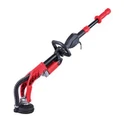
One of the most apparent differences between handheld and floor-mounted concrete polishing tools lies in their design and mobility. Handheld tools, as the name suggests, are compact and lightweight, designed to be held and operated by hand. They are highly portable and can be easily maneuvered around obstacles, making them ideal for small-scale projects, touch-ups, and areas with limited access. Whether you're polishing a small bathroom floor, a decorative concrete countertop, or the edges of a large floor, a handheld tool offers the flexibility and precision needed to achieve a smooth, polished finish.
On the other hand, floor-mounted tools are larger and heavier, typically mounted on a wheeled base or a stand. They are designed to cover large areas quickly and efficiently, making them the go-to choice for commercial and industrial projects. With their powerful motors and larger polishing pads, floor-mounted tools can remove surface imperfections, level uneven floors, and achieve a high-gloss finish in a fraction of the time it would take with a handheld tool. However, their size and weight can make them less maneuverable, and they may require more space to operate.
Power and Performance
Another significant difference between handheld and floor-mounted concrete polishing tools is their power and performance. Handheld tools are generally less powerful than floor-mounted tools, with motors ranging from 1/2 to 2 horsepower. While they may not be as effective at removing deep scratches and stains as their larger counterparts, they are still capable of producing a smooth, polished finish on most concrete surfaces. Handheld tools are also quieter and produce less dust than floor-mounted tools, making them a more comfortable option for indoor use.
Floor-mounted tools, on the other hand, are designed for heavy-duty applications and can handle even the toughest concrete surfaces. They typically have motors ranging from 3 to 10 horsepower, providing the power and torque needed to remove thick layers of concrete, level uneven floors, and achieve a high-gloss finish. Floor-mounted tools also offer a wider range of speed settings, allowing you to adjust the polishing speed to suit the specific needs of your project. However, their high power output can also make them more difficult to control, especially for inexperienced operators.
Polishing Pads and Wheels
The type of polishing pads and wheels used with handheld and floor-mounted concrete polishing tools can also vary significantly. Handheld tools typically use smaller polishing pads and wheels, ranging from 4 to 6 inches in diameter. These smaller pads and wheels are more maneuverable and can be used to polish tight corners and edges. They are also available in a wide range of grits, allowing you to choose the appropriate pad or wheel for the specific stage of the polishing process.
Floor-mounted tools, on the other hand, use larger polishing pads and wheels, ranging from 7 to 20 inches in diameter. These larger pads and wheels can cover a larger area in a single pass, making them more efficient for large-scale projects. They are also available in a wider range of grits and materials, allowing you to choose the appropriate pad or wheel for the specific type of concrete surface you are polishing. For more information on the different types of Concrete Polishing Pads and Concrete Polishing Wheels available, check out our website.
Cost and Maintenance
The cost and maintenance requirements of handheld and floor-mounted concrete polishing tools can also vary significantly. Handheld tools are generally less expensive than floor-mounted tools, with prices ranging from $100 to $500. They are also easier to maintain, requiring less frequent servicing and replacement of parts. However, their lower cost and simpler design may also mean that they have a shorter lifespan and may not be as durable as floor-mounted tools.
Floor-mounted tools, on the other hand, are more expensive than handheld tools, with prices ranging from $1,000 to $10,000 or more. They also require more frequent servicing and replacement of parts, such as polishing pads, wheels, and motors. However, their higher cost and more complex design also mean that they are generally more durable and have a longer lifespan than handheld tools.
Which Tool is Right for You?
So, which type of concrete polishing tool is right for you? The answer depends on several factors, including the size and scope of your project, the type of concrete surface you are polishing, your level of experience, and your budget. If you are working on a small-scale project, such as a residential bathroom or kitchen floor, a handheld tool may be the best option. It is affordable, easy to use, and can produce a professional-looking finish. However, if you are working on a large-scale commercial or industrial project, a floor-mounted tool is likely the better choice. It is more powerful, efficient, and can handle even the toughest concrete surfaces.
As a supplier of Concrete Polishing Tools, we offer a wide range of handheld and floor-mounted tools to suit the needs of every project. Our tools are made from high-quality materials and are backed by our commitment to customer satisfaction. Whether you are a professional contractor or a DIY enthusiast, we have the tools and expertise to help you achieve the perfect finish on your next concrete polishing project.
Contact Us for More Information
If you have any questions about our Concrete Polishing Tools or would like to discuss your specific project requirements, please don't hesitate to contact us. Our team of experts is available to provide you with personalized advice and recommendations based on your needs and budget. We can also help you choose the right polishing pads and wheels for your project and provide you with training and support to ensure that you get the most out of your tools.
References
- Concrete Polishing: A Comprehensive Guide. National Concrete Polishing Association.
- The Art of Concrete Polishing. Concrete Decor Magazine.
- Choosing the Right Concrete Polishing Tools. Professional Builder Magazine.