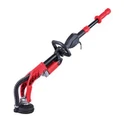
Hey there! As a supplier of Hand Held Cement Grinders, I often get asked about the cutting capacity of these nifty tools. So, I thought I'd take the time to break it down for you in this blog post.
First off, let's talk about what a hand held cement grinder is. It's a powerful tool that's designed to grind, polish, and cut through concrete, stone, and other hard materials. It's a must-have for contractors, DIY enthusiasts, and anyone who needs to work with concrete on a regular basis.
Now, when it comes to cutting capacity, there are a few factors that come into play. The first is the size and power of the grinder. Generally speaking, the larger and more powerful the grinder, the greater its cutting capacity. For example, a grinder with a 4-5 inch disc will typically have a smaller cutting capacity than one with a 7-9 inch disc.
Another important factor is the type of blade you're using. Different blades are designed for different types of cutting. For instance, a diamond blade is ideal for cutting through hard materials like concrete and stone, while a carbide blade is better suited for softer materials like wood and plastic.
The speed at which you're operating the grinder also affects its cutting capacity. If you're going too fast, you may not be able to control the cut, and you could end up damaging the blade or the material you're cutting. On the other hand, if you're going too slow, you may not be able to make a clean cut, and you could end up wasting time and energy.
So, what's the actual cutting capacity of a hand held cement grinder? Well, it really depends on the factors I mentioned above. However, as a general rule of thumb, a typical hand held cement grinder can cut through concrete up to 2-3 inches thick. Of course, this can vary depending on the specific grinder and blade you're using, as well as the hardness of the concrete.
Let's take a closer look at some of the factors that can affect the cutting capacity of a hand held cement grinder.
Size and Power of the Grinder
As I mentioned earlier, the size and power of the grinder play a big role in its cutting capacity. A larger grinder with a more powerful motor will be able to cut through thicker materials more easily than a smaller, less powerful grinder.
For example, a 4-5 inch grinder is typically used for light-duty tasks like grinding and polishing small areas of concrete. It may not have enough power to cut through thick concrete slabs or large chunks of stone. On the other hand, a 7-9 inch grinder is more suitable for heavy-duty tasks like cutting through thick concrete walls or large slabs of stone.
Type of Blade
The type of blade you're using is also crucial when it comes to cutting capacity. Different blades are designed for different types of materials and cutting applications.
- Diamond Blades: Diamond blades are the most common type of blade used for cutting through concrete and stone. They're made with industrial diamonds that are embedded in the blade's edge, which allows them to cut through hard materials with ease. Diamond blades come in a variety of sizes and shapes, so you can choose the one that's best suited for your specific cutting needs. Check out our Diamond Concrete Grinder for more information on diamond blades.
- Carbide Blades: Carbide blades are another option for cutting through softer materials like wood and plastic. They're made with carbide tips that are designed to stay sharp for longer periods of time. Carbide blades are not as effective for cutting through hard materials like concrete and stone, but they can be a good choice for lighter-duty tasks.
- Abrasive Blades: Abrasive blades are used for cutting through a variety of materials, including metal, ceramic, and glass. They're made with abrasive particles that are bonded together to form a cutting edge. Abrasive blades are not as precise as diamond or carbide blades, but they can be a good choice for rough cutting applications.
Speed of the Grinder
The speed at which you're operating the grinder also affects its cutting capacity. If you're going too fast, you may not be able to control the cut, and you could end up damaging the blade or the material you're cutting. On the other hand, if you're going too slow, you may not be able to make a clean cut, and you could end up wasting time and energy.
Most hand held cement grinders have variable speed controls, which allow you to adjust the speed of the grinder based on the material you're cutting and the type of blade you're using. It's important to read the manufacturer's instructions carefully and follow their recommendations for the best cutting results.
Cutting Techniques
In addition to the factors I mentioned above, the way you're using the grinder also affects its cutting capacity. Here are some tips for getting the best cutting results:
- Use the Right Technique: When cutting through concrete or stone, it's important to use a steady, even pressure. Avoid applying too much pressure, as this can cause the blade to overheat and wear out more quickly. Instead, let the blade do the work and guide it gently through the material.
- Keep the Blade Cool: Cutting through hard materials can generate a lot of heat, which can damage the blade. To keep the blade cool, you can use a water-cooling system or a coolant spray. This will help to extend the life of the blade and improve its cutting performance.
- Make Multiple Passes: If you're cutting through a thick piece of concrete or stone, it may be necessary to make multiple passes with the grinder. This will help to ensure a clean, straight cut and prevent the blade from overheating.
Conclusion
So, there you have it! The cutting capacity of a hand held cement grinder depends on a variety of factors, including the size and power of the grinder, the type of blade you're using, the speed at which you're operating the grinder, and the cutting techniques you're using.
As a supplier of Hand Held Cement Grinders, we offer a wide range of products to meet your specific cutting needs. Whether you're a professional contractor or a DIY enthusiast, we have the right grinder and blade for you. Check out our Concrete Grinding and Concrete Grinder Machine pages for more information on our products.
If you have any questions or need help choosing the right grinder and blade for your project, please don't hesitate to contact us. We're here to help you get the job done right!


References
- "Concrete Cutting and Drilling Handbook," by the Concrete Sawing & Drilling Association
- "Hand Held Power Tools: A Guide to Safe Use," by the Occupational Safety and Health Administration
- "How to Use a Hand Held Cement Grinder," by DIY Network