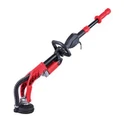
Improving the cutting performance of a concrete edge grinder is crucial for achieving efficient and high - quality results in concrete surface finishing. As a supplier of Concrete Edge Grinders, I understand the challenges faced by contractors and professionals in the field. In this blog, I will share some effective strategies to enhance the cutting performance of your concrete edge grinder.
1. Select the Right Grinding Wheel
The grinding wheel is the heart of a concrete edge grinder. Choosing the appropriate wheel can significantly impact the cutting performance. For different concrete types, hardness levels, and grinding requirements, different grinding wheels are needed.


- Diamond - Bonded Wheels: Diamond Grinder for Concrete is an excellent choice for most concrete grinding applications. Diamond is one of the hardest materials, capable of cutting through even the toughest concrete surfaces. The bond type of the diamond wheel also matters. A soft bond is suitable for hard concrete as it allows the worn - out diamonds to fall off quickly, exposing new ones. Conversely, a hard - bond wheel is better for soft concrete to prevent premature wear of the diamonds.
- Resin - Bonded Wheels: These wheels are more flexible and can provide a smoother finish. They are often used for light - duty grinding and polishing tasks. However, they may not be as durable as diamond - bonded wheels when dealing with thick or hard concrete layers.
2. Optimize the Grinder's Speed
The rotational speed of the concrete edge grinder plays a vital role in cutting performance. Running the grinder at the wrong speed can lead to inefficient cutting, uneven surfaces, and excessive wear on the grinding wheel.
- Understand the Manufacturer's Recommendations: Each concrete edge grinder has a recommended speed range specified by the manufacturer. Operating within this range ensures optimal performance and reduces the risk of damage to the machine. For example, some high - power grinders may have a higher recommended speed for faster material removal, while smaller, more delicate grinders may require a lower speed for precision work.
- Adjust Speed According to the Task: If you are performing rough grinding to remove a thick layer of concrete, a higher speed may be appropriate. However, when moving on to fine grinding or polishing, reducing the speed can help achieve a smoother and more consistent finish.
3. Maintain Proper Pressure
Applying the right amount of pressure while using a concrete edge grinder is essential for efficient cutting.
- Avoid Excessive Pressure: Putting too much pressure on the grinder can cause the grinding wheel to wear out quickly and may also result in an uneven surface. The grinder should be allowed to do the work, and the operator should guide it gently over the concrete surface. Excessive pressure can also overheat the grinding wheel, which can damage its structure and reduce its cutting ability.
- Consistent Pressure Application: Maintaining a consistent pressure across the entire grinding area helps to ensure an even cut. This can be achieved by using a steady hand and a smooth, continuous motion when operating the grinder.
4. Keep the Grinder and Work Area Clean
A clean grinder and work area contribute to better cutting performance.
- Grinder Maintenance: Regularly clean the grinder to remove dust, debris, and concrete particles. These can accumulate in the moving parts of the grinder, causing friction and reducing its efficiency. Check the motor, bearings, and other components for any signs of damage or wear and replace them as needed. Lubricate the moving parts according to the manufacturer's instructions to ensure smooth operation.
- Work Area Preparation: Before starting the grinding process, clear the work area of any loose objects, dirt, or debris. This not only helps the grinder move more freely but also prevents these particles from getting trapped under the grinding wheel and causing scratches or uneven cuts on the concrete surface.
5. Use Appropriate Cooling and Lubrication
Cooling and lubrication are important factors in maintaining the cutting performance of a concrete edge grinder.
- Water Cooling: Many concrete edge grinders are designed to be used with water as a coolant. Water helps to reduce the heat generated during the grinding process, which can prevent the grinding wheel from overheating and dulling. It also helps to suppress dust, creating a safer working environment. Make sure to have a proper water supply system in place and adjust the water flow rate according to the grinding conditions.
- Lubricants: In some cases, using a lubricant can improve the cutting performance. Lubricants can reduce friction between the grinding wheel and the concrete surface, allowing for smoother cutting and less wear on the wheel. However, it is important to choose a lubricant that is compatible with the concrete and the grinding wheel.
6. Train the Operators
Even the best - equipped concrete edge grinder will not perform well if the operator is not properly trained.
- Technical Training: Provide operators with comprehensive training on the operation, maintenance, and safety procedures of the concrete edge grinder. They should understand how to select the right grinding wheel, adjust the speed and pressure, and perform basic maintenance tasks.
- Practical Experience: Encourage operators to gain practical experience by working on different types of concrete surfaces and projects. This will help them develop the skills and intuition needed to optimize the cutting performance of the grinder in various situations.
7. Upgrade the Grinder
If you find that your current concrete edge grinder is not meeting your cutting performance requirements, it may be time to consider an upgrade.
- Newer Models: Grinder for Concrete technology is constantly evolving, and newer models often come with improved features such as more powerful motors, better speed control, and enhanced cooling systems. Upgrading to a newer model can significantly improve the cutting performance and efficiency of your grinding operations.
- Accessories and Attachments: Some accessories, such as advanced dust collection systems or specialized grinding heads, can also enhance the performance of your grinder. These can be added to your existing grinder to improve its functionality and adapt it to different grinding tasks.
8. Monitor and Evaluate Performance
Regularly monitor and evaluate the cutting performance of your concrete edge grinder to identify any issues and make necessary adjustments.
- Visual Inspection: After each grinding session, visually inspect the concrete surface for any signs of unevenness, scratches, or other defects. Check the grinding wheel for wear and tear and replace it if necessary.
- Measure the Results: Use tools such as a profilometer to measure the surface roughness and flatness of the ground concrete. Comparing the results with your desired specifications can help you determine if any changes need to be made to the grinding process.
In conclusion, improving the cutting performance of a concrete edge grinder requires a combination of proper equipment selection, correct operation techniques, and regular maintenance. By following these strategies, you can achieve more efficient and high - quality concrete grinding results. If you are in the market for a reliable Edge Grinding Machine or need further advice on improving your grinding operations, we are here to help. Contact us to discuss your specific requirements and explore the best solutions for your concrete grinding projects.
References
- Concrete Grinding Handbook, Industry - Standard Publication
- Manufacturer's Manuals for Concrete Edge Grinders