Hey there! I'm a supplier of shot blasting machines, and today I wanna chat about the requirements for the working environment of a shot blasting machine. It's super important to get these conditions right to ensure the machine works well and lasts a long time.
Ventilation
First off, proper ventilation is a must. Shot blasting machines generate a lot of dust and debris when they're in operation. If there's not enough ventilation, all that stuff will just hang around in the air. That's not only bad for the health of the workers but can also cause problems for the machine itself. Dust can get into the moving parts of the machine, leading to wear and tear.
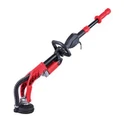
For small - scale shot blasting operations, like those using a Hand Held Shot Blaster, you can use local exhaust ventilation systems. These systems are designed to capture the dust right at the source. They're relatively easy to install and can be quite effective in keeping the air clean around the machine.
In larger industrial settings, where you might be using a Steel Plate Shot Blasting Machine, a more comprehensive ventilation system is needed. This could involve a network of ducts that connect to the shot blasting chamber and lead the dust and fumes outside. Make sure the ventilation system has enough capacity to handle the amount of dust generated by the machine. A good rule of thumb is to have an air exchange rate of at least 6 - 10 times per hour in the working area.
Temperature and Humidity
The temperature and humidity in the working environment also play a big role. Shot blasting machines are made up of various metal components, and extreme temperatures can affect their performance.
If it's too cold, the metal can become brittle. This means that parts are more likely to crack or break during operation. On the other hand, if it's too hot, the machine can overheat. Overheating can cause the bearings to wear out faster, and it can also affect the electrical components of the machine.
As for humidity, high humidity levels can lead to rusting of the machine's parts. Rust can not only damage the appearance of the machine but can also affect its functionality. For example, rust on the blasting wheels can cause them to become unbalanced, which can lead to uneven blasting and reduced efficiency.
Ideally, the temperature in the working area should be between 10°C - 35°C (50°F - 95°F), and the relative humidity should be kept below 60%. You might need to use heating or cooling systems to maintain the right temperature, and dehumidifiers can help control the humidity levels.
Flooring
The type of flooring in the working area is another important consideration. The floor needs to be strong enough to support the weight of the shot blasting machine and any workpieces that are being processed. It also needs to be resistant to the abrasive action of the shot.
Concrete floors are a popular choice for shot blasting areas. They're strong and can withstand the impact of the shot. However, the concrete should be properly finished and sealed to prevent the shot from embedding in the surface. If the shot gets stuck in the floor, it can be a tripping hazard, and it can also make it difficult to clean the area.
In some cases, you might want to use a rubber or epoxy - coated floor. A Epoxy Floor Shot Blaster can be used to prepare the surface for an epoxy coating. These types of floors are more resistant to abrasion and can be easier to clean. They also provide a non - slip surface, which is important for worker safety.
Lighting
Good lighting is essential in a shot blasting area. Workers need to be able to see clearly what they're doing to ensure that the blasting process is carried out accurately. Poor lighting can lead to mistakes, such as uneven blasting or missed areas.
There should be both general and task lighting in the working area. General lighting provides overall illumination, while task lighting can be focused on specific areas of the machine or the workpiece. LED lights are a great choice because they're energy - efficient and provide bright, white light.
Safety Clearances
Make sure there's enough space around the shot blasting machine. There should be a clear area for workers to move around the machine safely. This includes space for loading and unloading workpieces, as well as space for maintenance and repair.
The machine should also be placed at a safe distance from other equipment and structures. This helps to prevent damage in case of any malfunctions or accidents. For example, if the machine were to malfunction and eject shot, having enough clearance would reduce the risk of the shot hitting other equipment or people.
Noise Control
Shot blasting machines can be quite noisy. Prolonged exposure to high - level noise can cause hearing damage to workers. So, it's important to take steps to control the noise.
You can use sound - absorbing materials in the working area, such as acoustic panels on the walls. These panels can help to reduce the amount of noise that bounces around the room. Workers should also be provided with appropriate hearing protection, like earplugs or earmuffs.

Electrical Supply
The shot blasting machine needs a stable and appropriate electrical supply. The voltage and current requirements of the machine should be carefully considered when installing the electrical system.
Make sure the electrical wiring is properly sized to handle the load of the machine. Overloaded wiring can cause overheating, which can be a fire hazard. It's also important to have proper grounding to protect against electrical shocks.
Dust Collection and Recycling
A good dust collection system is crucial. The dust generated during the shot blasting process needs to be collected and disposed of properly. Not only is this important for environmental reasons, but it also helps to keep the working area clean.
Many modern shot blasting machines come with built - in dust collection systems. These systems use filters to separate the dust from the air. The collected dust can then be disposed of in accordance with local environmental regulations.
In addition to dust collection, shot recycling is also a great way to reduce costs and waste. After the shot has been used for blasting, it can be cleaned and reused. This not only saves money on purchasing new shot but also reduces the environmental impact of the shot blasting process.
If You're Interested in Our Shot Blasting Machines
If you're in the market for a shot blasting machine and want to learn more about how to create the perfect working environment for it, or if you have any questions about our products, feel free to reach out. We're here to help you make the right choice and ensure that your shot blasting operations run smoothly.
References
- "Shot Blasting Technology Handbook", Industry Press, 2018
- "Industrial Ventilation: A Manual of Recommended Practice", American Conference of Governmental Industrial Hygienists, 2020
- "Safety Guidelines for Shot Blasting Operations", Occupational Safety and Health Administration, 2019