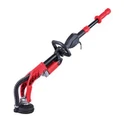
Hey there! As a supplier of Concrete Floor Sanders, I've seen firsthand the amazing results these machines can achieve. They're great for smoothing out rough concrete surfaces, preparing floors for coatings, and giving a professional finish. But like any piece of equipment, they come with their fair share of drawbacks. In this blog, I'm gonna break down some of the disadvantages of using a concrete floor sander.
1. Dust and Health Risks
One of the biggest issues with concrete floor sanders is the amount of dust they generate. When you're sanding concrete, you're basically grinding down the surface, which releases tiny particles into the air. This dust can be extremely harmful if inhaled.
Concrete dust contains silica, a mineral that can cause serious health problems. Prolonged exposure to silica dust can lead to silicosis, a lung disease that causes scarring of the lungs and can eventually lead to respiratory failure. It can also increase the risk of lung cancer, chronic obstructive pulmonary disease (COPD), and other respiratory issues.
Even short - term exposure to high levels of dust can cause irritation to the eyes, nose, and throat. You might experience coughing, wheezing, and shortness of breath. To protect yourself, you need to wear proper respiratory protection, like a N95 mask or a powered air - purifying respirator (PAPR). But even with the right gear, it's still not a pleasant experience to be working in a cloud of dust.
2. Noise Pollution
Concrete floor sanders are noisy machines. The constant grinding and vibration produce a high - decibel sound that can be a real nuisance, not just for the operator but also for anyone in the vicinity.
Exposure to loud noise for an extended period can cause hearing loss. The Occupational Safety and Health Administration (OSHA) has set limits on the amount of noise a worker can be exposed to in a day. When using a concrete floor sander, you'll likely exceed these limits if you're not using proper hearing protection.
Earplugs or earmuffs are a must, but they don't completely eliminate the noise. And if you're working in a residential area or a building where noise can be a problem, you might face complaints from neighbors or building occupants. This can lead to delays in your project and potential legal issues.
3. High Initial and Operating Costs
Investing in a concrete floor sander can be expensive. There are different types of sanders available, from handheld models to large, industrial - grade machines like the Grinding Concrete Floor Machine and the Self Propelled Concrete Grinder. The cost can range from a few hundred dollars for a basic handheld sander to several thousand dollars for a high - end, self - propelled model.
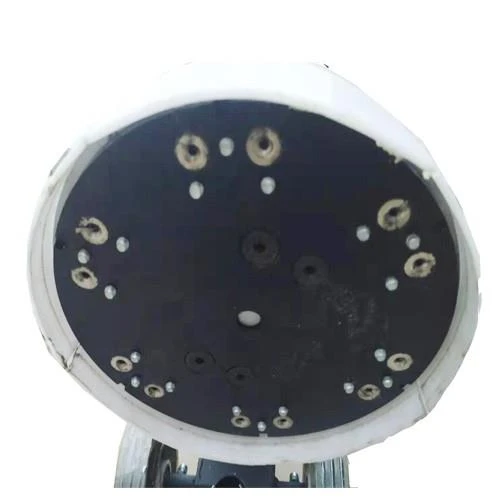
But the costs don't stop there. You also need to consider the operating costs. The abrasive discs or pads used for sanding need to be replaced regularly, and they can be quite pricey. The more aggressive the sanding job, the faster the abrasives wear out. Additionally, the machine itself requires maintenance, such as lubrication, belt replacements, and motor servicing. All these costs can add up over time.

4. Limited Maneuverability
Some concrete floor sanders, especially the larger models, can be difficult to maneuver. They're heavy and bulky, which makes it challenging to get into tight corners and around obstacles.
For example, if you're sanding a floor in a room with a lot of furniture or fixtures, you might have to spend a lot of time moving things around or using smaller, handheld tools to finish the job in hard - to - reach areas. This not only slows down the work process but also increases the overall labor cost.
Even with smaller sanders, like the 10 Inch Concrete Grinder, there are still limitations. They may not be able to cover large areas as quickly as larger machines, and you'll need to make multiple passes to achieve an even finish.
5. Surface Damage
While the goal of using a concrete floor sander is to smooth the surface, there's a risk of causing damage if not used correctly. Aggressive sanding can create uneven surfaces, leaving behind scratches, gouges, or divots.
If you're not experienced with operating a sander, it can be easy to apply too much pressure in one area or move the machine too quickly, resulting in an inconsistent finish. This can be a major problem, especially if you're working on a project where a smooth, uniform surface is required, such as for a polished concrete floor.
Fixing surface damage can be time - consuming and expensive. You may need to use additional tools or techniques to repair the damage, which can delay the project and increase costs.
6. Environmental Impact
The dust generated by concrete floor sanders isn't just a health risk; it's also an environmental concern. The silica dust can contaminate the air, soil, and water if not properly contained.
In addition, the energy consumption of these machines can be significant. Most concrete floor sanders run on electricity or gasoline, and the constant operation of these power - hungry devices contributes to carbon emissions and energy waste.
As more and more people are becoming environmentally conscious, the negative environmental impact of using a concrete floor sander can be a drawback, especially for businesses that are looking to reduce their carbon footprint.
Conclusion
Despite these disadvantages, concrete floor sanders are still valuable tools in the construction and flooring industry. They offer a way to achieve a smooth and professional finish on concrete surfaces. However, it's important to be aware of the potential drawbacks and take steps to mitigate them.
If you're in the market for a concrete floor sander, make sure to do your research and choose a machine that suits your specific needs. Consider the size of the project, the type of surface you'll be sanding, and your budget. And don't forget about safety – always wear the appropriate protective gear and follow the manufacturer's instructions.
If you have any questions or are interested in purchasing a concrete floor sander, feel free to reach out to us. We're here to help you make the right choice for your project.

References
- Occupational Safety and Health Administration (OSHA). "Silica, Crystalline."
- Various manufacturers' manuals for concrete floor sanders.