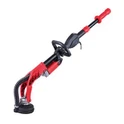
Vinyl floors have become a popular choice in residential and commercial settings due to their durability, affordability, and aesthetic appeal. As a planetary floor grinder supplier, we often receive inquiries about using our equipment on vinyl floors. While planetary floor grinders are versatile machines capable of handling various floor types, there are limitations when it comes to vinyl floors. In this blog post, we will explore these limitations in detail to help you make an informed decision about using a planetary floor grinder on vinyl floors.
Heat Generation and Vinyl Damage
One of the primary limitations of using a planetary floor grinder on vinyl floors is the heat generated during the grinding process. Planetary floor grinders work by rotating multiple grinding discs at high speeds, which can generate significant friction and heat. Vinyl is a thermoplastic material, meaning it can soften and deform when exposed to high temperatures. If the heat generated by the grinder exceeds the vinyl's heat resistance threshold, it can cause the vinyl to melt, warp, or even burn.
To illustrate this point, let's consider the example of a Dust Free Concrete Grinder. While this type of grinder is designed to minimize dust during the grinding process, it still generates heat as the grinding discs come into contact with the floor. If used on a vinyl floor, the heat can cause the vinyl to become sticky and adhere to the grinding discs, resulting in uneven grinding and potential damage to the floor.
Surface Abrasion and Scratching
Another limitation of using a planetary floor grinder on vinyl floors is the potential for surface abrasion and scratching. The grinding discs on a planetary floor grinder are typically made of abrasive materials such as diamond or carbide, which are designed to remove layers of material from the floor surface. While this is effective for concrete and other hard floor surfaces, it can be too aggressive for vinyl floors.
Vinyl floors have a relatively soft surface compared to concrete, and the abrasive action of the grinding discs can easily scratch or damage the vinyl. Even if the grinder is set to a low speed and pressure, there is still a risk of scratching, especially if the floor is not properly prepared or if the grinding discs are worn or damaged.
For instance, a Concrete Level Grinding Machine is specifically designed for leveling concrete floors by removing high spots and uneven areas. While it can be a powerful tool for concrete, using it on a vinyl floor can result in severe scratching and damage to the vinyl surface.
Chemical Compatibility and Residue
In addition to heat generation and surface abrasion, there is also the issue of chemical compatibility when using a planetary floor grinder on vinyl floors. Many planetary floor grinders require the use of water or other lubricants to cool the grinding discs and prevent dust from becoming airborne. However, some of these lubricants may not be compatible with vinyl floors and can cause discoloration, swelling, or other damage.

Furthermore, the grinding process can leave behind residue on the floor surface, which can be difficult to remove. This residue can include dust, debris, and traces of the lubricant, which can affect the appearance and performance of the vinyl floor. If the residue is not properly cleaned, it can also attract dirt and grime, making the floor look dirty and unkempt.
Noise and Vibration
Planetary floor grinders are powerful machines that can generate a significant amount of noise and vibration during operation. This can be a concern when using the grinder in residential or commercial settings, especially if the vinyl floor is located in an area where noise and vibration can cause disruption or discomfort.
The noise and vibration generated by the grinder can also have an impact on the structural integrity of the vinyl floor. Excessive vibration can cause the vinyl to loosen or separate from the subfloor, leading to unevenness and potential damage over time.
Limited Depth of Grinding
Unlike concrete floors, vinyl floors have a relatively thin wear layer, which limits the depth of grinding that can be safely performed. The wear layer is the topmost layer of the vinyl floor that provides protection against abrasion, stains, and other types of damage. If the grinder is used to remove too much material from the wear layer, it can expose the underlying layers of the vinyl floor, which can be more vulnerable to damage and wear.
For example, a Floor Grinder Variable Speed allows you to adjust the speed of the grinder to suit the specific requirements of the floor surface. However, even at a low speed, there is still a risk of over-grinding the vinyl floor if the operator is not careful.
Alternatives to Planetary Floor Grinders for Vinyl Floors
Given the limitations of using a planetary floor grinder on vinyl floors, it is important to consider alternative methods for maintaining and refinishing vinyl floors. One option is to use a floor buffer or polisher, which is designed to gently clean and polish the surface of the vinyl floor without causing damage. Floor buffers and polishers use rotating pads or brushes to remove dirt and debris from the floor surface and apply a protective coating to enhance the shine and durability of the vinyl.
Another option is to use a vinyl floor cleaner and stripper, which can be used to remove dirt, stains, and old wax from the floor surface. Vinyl floor cleaners and strippers are typically formulated to be gentle on the vinyl floor and do not contain harsh chemicals that can cause damage. After cleaning and stripping the floor, a new coat of wax or sealer can be applied to protect the vinyl floor and enhance its appearance.
Conclusion
While planetary floor grinders are powerful and versatile machines, they have limitations when it comes to using them on vinyl floors. The heat generation, surface abrasion, chemical compatibility, noise and vibration, and limited depth of grinding can all pose challenges when using a planetary floor grinder on vinyl floors. As a planetary floor grinder supplier, we recommend that you carefully consider these limitations before using our equipment on vinyl floors.
If you are unsure whether a planetary floor grinder is the right choice for your vinyl floor, we encourage you to contact us for more information and advice. Our team of experts can help you determine the best approach for maintaining and refinishing your vinyl floor based on your specific needs and requirements. Whether you need a Dust Free Concrete Grinder, a Concrete Level Grinding Machine, or a Floor Grinder Variable Speed, we have the products and expertise to help you achieve the best results.
If you are interested in learning more about our planetary floor grinders or other floor maintenance equipment, please contact us to discuss your specific needs and requirements. We look forward to working with you to find the best solution for your flooring project.

References
- "Vinyl Flooring: A Comprehensive Guide." HomeAdvisor. Accessed [Date].
- "How to Care for Vinyl Floors." The Spruce. Accessed [Date].
- "Planetary Floor Grinders: How They Work and When to Use Them." Flooring Magazine. Accessed [Date].