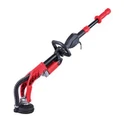
Sharpening tools is a crucial skill for anyone working in construction, woodworking, or any field that involves the use of cutting or grinding tools. A hand held cement grinder can be a great tool for sharpening, but it takes some know - how to use it effectively. As a supplier of hand held cement grinders, I'm here to share some tips on how to sharpen tools with this handy piece of equipment.

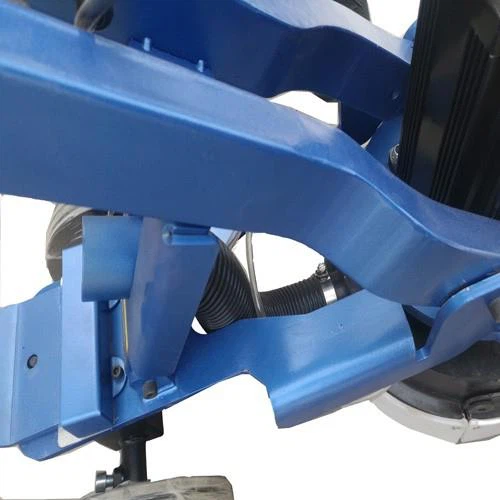
Understanding Your Hand Held Cement Grinder
First things first, you need to get to know your hand held cement grinder. These machines come in different sizes and power ratings. The most important part of the grinder is the grinding wheel. The grinding wheel's grit determines how coarse or fine the sharpening will be. A lower grit number means a coarser wheel, which is great for removing a lot of material quickly. A higher grit number gives you a finer finish, perfect for the final touches.
When you're using a hand held cement grinder, safety is paramount. Always wear safety goggles to protect your eyes from flying debris. A dust mask is also a good idea, as grinding can create a lot of fine dust. Gloves can protect your hands from the heat generated during the sharpening process.
Preparing Your Tool for Sharpening
Before you start sharpening, you need to prepare your tool. Clean the tool thoroughly to remove any dirt, grease, or rust. This will ensure that the grinding wheel makes good contact with the tool's surface. You can use a wire brush or a degreaser to clean the tool.
Inspect the tool for any damage. If there are any chips or cracks, it might be better to replace the tool rather than trying to sharpen it. Once the tool is clean and in good condition, you're ready to move on to the next step.
Sharpening with the Hand Held Cement Grinder
Now, let's get to the actual sharpening. Hold the tool firmly against the grinding wheel at the correct angle. The angle depends on the type of tool you're sharpening. For example, a chisel usually has a bevel angle of around 25 - 30 degrees. You can use a sharpening guide to help you maintain the correct angle.
Move the tool slowly across the grinding wheel. Don't apply too much pressure, as this can cause the tool to overheat. Overheating can damage the tool's temper, making it less effective. Instead, let the grinding wheel do the work. You should see a steady stream of sparks coming off the tool as you grind. This is a sign that the metal is being removed.
If you're sharpening a large tool, you might need to work in sections. Make sure to keep the tool cool by periodically dipping it in water. This will prevent overheating and help maintain the tool's integrity.
Different Types of Tools and Sharpening Techniques
Knives
Knives are one of the most common tools that people want to sharpen. When sharpening a knife, start with a coarse - grit grinding wheel to remove any dullness. Then, switch to a finer - grit wheel for a smooth, sharp edge. Move the knife across the grinding wheel in a consistent motion, following the curve of the blade.
Chisels
Chisels are used for woodworking and masonry. As mentioned earlier, the bevel angle for a chisel is typically 25 - 30 degrees. Hold the chisel firmly and move it across the grinding wheel in a back - and - forth motion. Make sure to sharpen both sides of the bevel evenly.
Drill Bits
Drill bits can also be sharpened using a hand held cement grinder. However, this is a bit more tricky. You need to maintain the correct point angle, which is usually around 118 degrees for general - purpose drill bits. Use a drill bit sharpener guide if possible to ensure accuracy.
Troubleshooting
Sometimes, things don't go as planned when you're sharpening tools. If you notice that the tool is getting too hot, stop grinding and let it cool down. You can also try reducing the pressure you're applying.
If the edge of the tool isn't coming out sharp, check the angle at which you're holding the tool. It might be off. You can also try using a finer - grit grinding wheel for the final touches.
Maintaining Your Hand Held Cement Grinder
To keep your hand held cement grinder in good working condition, you need to maintain it regularly. Clean the grinder after each use to remove any dust and debris. Check the grinding wheel for wear and tear. If the wheel is worn out, replace it.
Lubricate the moving parts of the grinder according to the manufacturer's instructions. This will ensure smooth operation and extend the life of the machine.
Why Choose Our Hand Held Cement Grinders
As a supplier of hand held cement grinders, I can tell you that our products are top - notch. Our grinders are designed for durability and performance. They come with high - quality grinding wheels that provide consistent results.
We offer a variety of models to suit different needs. Whether you're a professional contractor or a DIY enthusiast, we have a grinder that's right for you. Our grinders are also easy to use and maintain, so you can focus on getting the job done.
If you're interested in learning more about our Concrete Grinding Machine, Grinding Concrete Floor Smooth Machine, or Planetary Concrete Grinder, just visit our website.
Conclusion
Sharpening tools with a hand held cement grinder is a skill that can save you time and money. By following the steps outlined in this blog, you can keep your tools in top condition. If you're in the market for a hand held cement grinder, consider our products. We're here to help you find the right grinder for your needs. If you have any questions or are interested in purchasing, don't hesitate to reach out. We're always happy to assist you with your procurement and answer any questions you might have.
References
- "Tool Sharpening Basics" - Woodworking Magazine
- "Hand Held Power Tools: Operation and Maintenance" - Construction Equipment Handbook