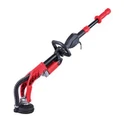
As a seasoned supplier of Concrete Grinding Tools, I've encountered numerous inquiries from customers regarding the compatibility of our tools with colored concrete. This topic is of significant importance, as colored concrete is increasingly popular in both residential and commercial settings, offering aesthetic appeal and durability. In this blog, I'll delve into the technical aspects of using concrete grinding tools on colored concrete, explore the benefits and potential challenges, and provide practical tips for achieving optimal results.
Understanding Colored Concrete
Colored concrete is essentially regular concrete that has been enhanced with pigments to achieve a specific color or shade. The pigments can be added during the mixing process or applied as a surface treatment after the concrete has cured. There are two main types of colored concrete: integral and surface-applied.
Integral colored concrete involves mixing the pigments directly into the concrete mix. This method ensures that the color is consistent throughout the entire depth of the concrete, making it ideal for applications where the surface may be subject to wear and tear. Surface-applied colored concrete, on the other hand, involves applying a pigmented coating or stain to the surface of the cured concrete. This method is more cost-effective and allows for greater flexibility in terms of color selection and design.
Compatibility of Concrete Grinding Tools with Colored Concrete
The good news is that most concrete grinding tools can be used on colored concrete, provided that the appropriate precautions are taken. However, it's important to understand that the type of colored concrete and the specific grinding tool being used can have a significant impact on the final result.
Grinding Blocks
Concrete Grinding Block are a popular choice for grinding and leveling large areas of concrete. They are typically made of diamond or carbide grit and are available in a variety of shapes and sizes. When using grinding blocks on colored concrete, it's important to choose a block with the appropriate grit size and hardness. A block that is too coarse can cause excessive scratching and damage to the colored surface, while a block that is too fine may not be effective in removing the desired amount of material.
Dry Grinding Pads
9 Inch Dry Grinding Pad For Concrete are another common type of concrete grinding tool. They are designed to be used dry, without the need for water, and are typically made of abrasive materials such as diamond or silicon carbide. Dry grinding pads are ideal for fine-tuning the surface finish of colored concrete and can be used to remove light scratches and imperfections. When using dry grinding pads on colored concrete, it's important to use a pad with the appropriate grit size and to apply even pressure to avoid creating uneven wear patterns.


Grinder Discs
Concrete Grinder Disc are a versatile type of concrete grinding tool that can be used for a variety of applications, including grinding, cutting, and polishing. They are typically made of diamond or carbide grit and are available in a variety of sizes and shapes. When using grinder discs on colored concrete, it's important to choose a disc with the appropriate grit size and to use a slow and steady grinding speed to avoid overheating the surface and causing discoloration.
Benefits of Using Concrete Grinding Tools on Colored Concrete
Using concrete grinding tools on colored concrete offers several benefits, including:
Improved Appearance
Grinding and polishing colored concrete can enhance its appearance by removing surface imperfections, such as scratches, stains, and unevenness. This can result in a smoother, more uniform surface that is more visually appealing.
Increased Durability
Grinding and polishing colored concrete can also increase its durability by sealing the surface and protecting it from wear and tear. This can help to extend the lifespan of the concrete and reduce the need for costly repairs and maintenance.
Customization
Grinding and polishing colored concrete allows for greater customization and creativity in terms of design and color. By using different grinding techniques and polishing compounds, it's possible to achieve a variety of finishes, from a high-gloss shine to a more matte, textured look.
Potential Challenges and How to Overcome Them
While using concrete grinding tools on colored concrete can offer many benefits, there are also some potential challenges that need to be addressed. These include:
Color Fading
One of the main concerns when using concrete grinding tools on colored concrete is the potential for color fading. This can occur if the grinding process generates too much heat or if the wrong type of grinding tool is used. To avoid color fading, it's important to use a slow and steady grinding speed, to use a cooling agent such as water or a grinding lubricant, and to choose a grinding tool that is specifically designed for use on colored concrete.
Surface Damage
Another potential challenge is the risk of surface damage, such as scratching or chipping. This can occur if the grinding tool is too aggressive or if the surface of the concrete is not properly prepared before grinding. To avoid surface damage, it's important to choose a grinding tool with the appropriate grit size and hardness, to use a slow and steady grinding speed, and to follow the manufacturer's instructions carefully.
Dust and Debris
Grinding and polishing colored concrete can generate a significant amount of dust and debris, which can be a health hazard if inhaled. To minimize the risk of dust exposure, it's important to use a dust collection system or a respirator, and to keep the work area well-ventilated.
Tips for Achieving Optimal Results
To achieve optimal results when using concrete grinding tools on colored concrete, it's important to follow these tips:
Prepare the Surface
Before grinding and polishing colored concrete, it's important to prepare the surface by cleaning it thoroughly and removing any loose debris or contaminants. This can help to ensure that the grinding process is more effective and that the final result is more uniform.
Choose the Right Grinding Tool
As mentioned earlier, choosing the right grinding tool is crucial for achieving optimal results. Make sure to choose a tool that is specifically designed for use on colored concrete and that has the appropriate grit size and hardness for the job.
Use a Cooling Agent
Using a cooling agent such as water or a grinding lubricant can help to prevent color fading and surface damage by reducing the heat generated during the grinding process. Make sure to follow the manufacturer's instructions carefully when using a cooling agent.
Apply Even Pressure
When grinding and polishing colored concrete, it's important to apply even pressure to avoid creating uneven wear patterns. Use a slow and steady grinding speed and make sure to overlap each pass of the grinding tool to ensure a smooth, uniform surface.
Finish with a Polishing Compound
After grinding and polishing colored concrete, it's important to finish the surface with a polishing compound to enhance its appearance and durability. Choose a polishing compound that is specifically designed for use on colored concrete and follow the manufacturer's instructions carefully.
Conclusion
In conclusion, concrete grinding tools can be used on colored concrete, provided that the appropriate precautions are taken. By choosing the right grinding tool, using a cooling agent, applying even pressure, and finishing with a polishing compound, it's possible to achieve optimal results and enhance the appearance and durability of colored concrete.
If you're interested in learning more about our Concrete Grinding Tools or if you have any questions about using them on colored concrete, please don't hesitate to contact us. Our team of experts is always available to provide you with the information and support you need to make the right decision for your project. We look forward to working with you and helping you achieve the best possible results.
References
- Concrete Construction Handbook, 5th Edition, PCA
- Diamond Tooling for Concrete Grinding and Polishing, NTMA
- Colored Concrete: A Guide to Design and Installation, TCNA