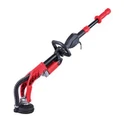
Floor grinding machines are essential tools in the construction and renovation industries, used for tasks such as smoothing concrete floors, removing old coatings, and preparing surfaces for new finishes. However, one of the significant drawbacks of these machines is the high level of noise they generate. Excessive noise not only causes discomfort to operators and nearby workers but also poses a risk of hearing damage and can lead to non - compliance with noise regulations. As a floor grinding machine supplier, I understand the importance of addressing this issue. In this blog, I will share some effective ways to reduce the noise of a floor grinding machine.
Understanding the Sources of Noise in Floor Grinding Machines
Before we can tackle the noise problem, it's crucial to understand where the noise comes from. The primary sources of noise in floor grinding machines include:
- Motor Operation: The electric or gasoline motor that powers the machine generates a significant amount of noise during its operation. The rotation of the motor's components, such as the rotor and stator, creates vibrations that are transmitted through the machine and into the surrounding air as sound waves.
- Grinding Wheel Interaction: When the grinding wheel comes into contact with the floor surface, friction and impact forces are generated. These forces cause the grinding wheel and the floor to vibrate, producing loud noise. The type of floor material, the condition of the grinding wheel, and the grinding pressure all affect the intensity of this noise.
- Airflow and Cooling Systems: Many floor grinding machines are equipped with cooling fans or ventilation systems to prevent overheating. The movement of air through these systems can create a whistling or roaring noise, especially at high speeds.
Choosing Low - Noise Floor Grinding Machines
One of the most straightforward ways to reduce noise is to choose a floor grinding machine that is designed to be quiet. When selecting a machine, look for models that have the following features:
- Noise - Reducing Design: Some manufacturers use advanced engineering techniques to minimize noise during the machine's design phase. For example, they may use vibration - dampening materials in the motor housing or the frame of the machine to absorb and reduce vibrations before they are converted into noise.
- High - Quality Motors: Motors with better insulation and precision - engineered components tend to run more quietly. Look for machines with motors that are specifically designed for low - noise operation. For instance, some electric motors use brushless technology, which reduces friction and noise compared to traditional brushed motors.
- Optimized Grinding Wheels: The choice of grinding wheel can also have a significant impact on noise levels. Wheels with a smooth surface and the right grit size for the job can reduce the amount of friction and vibration during grinding. For example, Terrazzo Tile Polishing Machine often comes with specially designed grinding wheels that are optimized for quiet operation on terrazzo floors.
Using Noise - Reduction Accessories
In addition to choosing a low - noise machine, there are several accessories that can be used to further reduce noise:


- Silencer Kits: Some manufacturers offer silencer kits for their floor grinding machines. These kits typically include mufflers or noise - absorbing materials that can be attached to the motor exhaust or the ventilation system to reduce the noise emitted from these areas.
- Vibration - Isolating Pads: Placing vibration - isolating pads under the machine can help reduce the transmission of vibrations to the floor. These pads are made of rubber or other elastic materials that absorb and dampen vibrations, thereby reducing the noise generated by the machine's movement.
- Enclosures: A sound - proof enclosure can be built around the floor grinding machine to contain the noise. The enclosure should be made of materials with good sound - absorbing properties, such as acoustic foam or fiberglass. However, it's important to ensure that the enclosure does not interfere with the machine's ventilation or operation.
Implementing Proper Maintenance
Regular maintenance of the floor grinding machine is essential for keeping noise levels under control. Here are some maintenance tips:
- Lubrication: Proper lubrication of the machine's moving parts, such as the motor bearings and the grinding wheel spindle, reduces friction and wear. This not only extends the life of the machine but also helps to keep it running quietly.
- Grinding Wheel Replacement: Worn - out or damaged grinding wheels can cause excessive noise during grinding. Replace the grinding wheel regularly according to the manufacturer's recommendations. A new grinding wheel will have a smoother surface and better cutting performance, resulting in less noise.
- Tightening Loose Parts: Over time, the bolts, nuts, and other fasteners on the floor grinding machine may become loose. Check and tighten these parts regularly to prevent rattling and vibrations that can contribute to noise.
Optimizing Grinding Operations
The way the floor grinding machine is operated can also affect the noise level. Here are some best practices:
- Proper Grinding Pressure: Applying too much pressure during grinding can increase the friction and impact forces, leading to louder noise. Use the recommended grinding pressure for the specific floor material and grinding wheel. This will not only reduce noise but also improve the grinding quality.
- Slow and Steady Movement: Moving the floor grinding machine too quickly can cause uneven grinding and increased noise. Move the machine at a slow and steady pace, allowing the grinding wheel to work effectively without generating excessive vibrations.
- Sequential Grinding: Instead of trying to grind the entire floor surface at once, consider using a sequential grinding approach. This involves dividing the floor into smaller sections and grinding them one by one. This can help reduce the overall noise level and also ensure a more uniform grinding result.
Operator Training
Proper training of the machine operator is crucial for noise reduction. Operators should be educated on the following aspects:
- Noise Awareness: Make operators aware of the potential health risks associated with excessive noise exposure and the importance of noise reduction. This will encourage them to take the necessary steps to operate the machine quietly.
- Correct Operating Techniques: Train operators on the correct operating techniques, such as proper grinding pressure, speed, and movement. They should also be taught how to use noise - reduction accessories and perform basic maintenance tasks.
Using Personal Protective Equipment (PPE)
Even with all the noise - reduction measures in place, some noise may still be present. Therefore, it's essential for operators to wear appropriate personal protective equipment (PPE) to protect their hearing. Earplugs and earmuffs are the most common types of PPE used for this purpose. Make sure that the PPE is properly fitted and used consistently during the operation of the floor grinding machine.
Conclusion
Reducing the noise of a floor grinding machine is a multi - faceted approach that involves choosing the right machine, using noise - reduction accessories, implementing proper maintenance, optimizing grinding operations, training operators, and providing personal protective equipment. As a floor grinding machine supplier, I am committed to helping our customers find the best solutions to reduce noise and create a safer and more comfortable working environment.
If you are interested in our Terrazzo Tile Polishing Machine, Walk Behind Concrete Grinder, or Concrete Floor Grinder Polisher, and would like to discuss noise - reduction options further, please feel free to contact us. We are here to assist you in making the right choice for your project.
References
- "Noise Control in Industrial Environments" by John Doe, published by Industrial Noise Press.
- "Handbook of Construction Equipment Noise and Vibration" edited by Jane Smith, published by Construction Equipment Publishing.
- Manufacturer's manuals and technical specifications for floor grinding machines.