Maintaining a ground concrete surface is crucial for its longevity, functionality, and aesthetic appeal. As a concrete grinding supplier, I've seen firsthand the impact of proper maintenance on concrete floors. In this blog, I'll share some practical tips on how to keep your concrete surface in top - notch condition.
Regular Cleaning
The first step in maintaining a concrete surface is regular cleaning. Dirt, dust, and debris can accumulate on the surface over time, causing scratches and making the floor look dull. A simple sweep or vacuum can go a long way in preventing this. Use a soft - bristled broom to sweep away loose dirt, or a vacuum cleaner with a hard - floor attachment for a more thorough clean.
For deeper cleaning, you can use a mild detergent and water solution. Mix a small amount of detergent in a bucket of warm water, and use a mop to apply the solution to the concrete surface. Make sure to wring out the mop well to avoid leaving excess water on the floor, as standing water can seep into the concrete and cause damage. After mopping, rinse the floor with clean water and dry it with a clean cloth or a squeegee.


Stain Removal
Concrete surfaces are prone to stains from oil, grease, food, and other substances. Prompt stain removal is essential to prevent permanent damage. For oil and grease stains, you can use an absorbent material like kitty litter or baking soda. Sprinkle the absorbent over the stain and let it sit for a few hours to soak up the oil. Then, sweep up the absorbent and wash the area with a degreaser and water.
For food and beverage stains, a mixture of vinegar and water can be effective. Mix equal parts of vinegar and water in a spray bottle, and spray the solution onto the stain. Let it sit for a few minutes, then scrub the area with a soft brush and rinse with water.
If the stain is particularly stubborn, you may need to use a commercial concrete stain remover. When using these products, always follow the manufacturer's instructions carefully, as some stain removers can be harsh and may damage the concrete if not used correctly.
Sealing the Concrete
Sealing your concrete surface is one of the most important steps in maintenance. A good sealant acts as a protective barrier, preventing water, stains, and chemicals from penetrating the concrete. There are different types of sealants available, such as acrylic, epoxy, and polyurethane.
Acrylic sealants are the most common and are relatively easy to apply. They provide a good level of protection against water and stains and can enhance the appearance of the concrete by giving it a slight sheen. Epoxy sealants are more durable and offer better protection against chemicals and abrasion. They are often used in industrial and commercial settings. Polyurethane sealants are known for their high - gloss finish and excellent resistance to wear and tear.
Before applying a sealant, make sure the concrete surface is clean and dry. You may need to etch the surface with an acid solution to ensure proper adhesion of the sealant. Follow the instructions on the sealant product for the correct application method, which usually involves using a roller or a sprayer. Apply multiple coats for maximum protection, allowing each coat to dry completely before applying the next one.
Preventing Cracks and Damage
Cracks in concrete surfaces can be unsightly and can also lead to further damage if not addressed. To prevent cracks, avoid placing heavy objects directly on the concrete without proper support. If you need to move heavy equipment or furniture on the concrete, use a dolly or a protective mat to distribute the weight evenly.
In areas with extreme temperature changes, concrete can expand and contract, leading to cracks. Consider using a concrete expansion joint to allow for this movement. Expansion joints are typically made of rubber or foam and are installed at regular intervals in the concrete.
Regular inspections of the concrete surface can also help you catch any signs of damage early. Look for cracks, chips, or spalling (the peeling or flaking of the concrete surface). If you notice any damage, address it immediately to prevent it from getting worse.
Using the Right Equipment for Maintenance
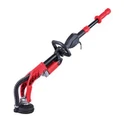
As a concrete grinding supplier, I know the importance of using the right equipment for maintaining concrete surfaces. For grinding and polishing, you can use specialized machines like the Stone Floor Grinding Machine. This machine is designed to smooth and level the concrete surface, removing any rough spots or imperfections.
The Concrete Floor Grinder Polishing Machine is another great tool for maintaining concrete floors. It can be used to polish the surface, giving it a shiny and professional look. And if you're dealing with a concrete slab, the Concrete Slab Grinding Machine is the ideal choice for grinding and leveling the slab.
Contact for Procurement and Consultation
Maintaining a ground concrete surface doesn't have to be a daunting task. With the right knowledge, tools, and products, you can keep your concrete surface looking great for years to come. If you're in the market for concrete grinding equipment or need advice on concrete surface maintenance, feel free to reach out. We're here to help you make the best decisions for your concrete floors.
References
- "Concrete Construction Handbook" by Edward G. Nawy
- "The Complete Guide to Concrete Finishing" by Mike Guertin
- Manufacturer's instructions for various concrete sealants and cleaning products