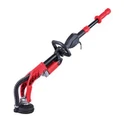
Maintaining a concrete grinder is crucial for its longevity, performance, and the quality of the work it produces. As a supplier of high - quality concrete grinders, including the Multifunctional Stone Floor Grinding Machine, Floor Grinding Machine, and Diamond Concrete Grinder, I am often asked about the optimal maintenance frequency. In this blog, I will delve into the factors that influence maintenance intervals and provide guidelines to help you keep your concrete grinder in top - notch condition.
Factors Affecting Maintenance Frequency
Usage Intensity
The most significant factor determining how often you should maintain a concrete grinder is its usage intensity. If your grinder is used on a daily basis for long hours, it will naturally require more frequent maintenance compared to one that is used sporadically. For example, a contractor who uses the grinder for large - scale commercial projects every day will need to perform maintenance tasks more often than a DIY enthusiast who only uses it for small home improvement projects a few times a year.
Heavy - duty usage can lead to faster wear and tear of components such as the grinding discs, motors, and belts. The constant friction and pressure exerted during grinding can cause the grinding discs to dull quickly, and the motor to overheat, potentially leading to premature failure. Therefore, if you use your grinder intensively, it is recommended to perform daily or weekly inspections and minor maintenance tasks, and more comprehensive maintenance monthly or quarterly.
Working Environment
The environment in which the concrete grinder operates also plays a crucial role in determining maintenance frequency. Grinding concrete generates a large amount of dust, which can accumulate on the grinder's components and cause damage over time. If the grinder is used in a dusty environment, such as a construction site with poor ventilation, the dust can clog the air filters, reduce the efficiency of the motor, and cause premature wear of moving parts.
In addition, exposure to moisture, extreme temperatures, and corrosive substances can also affect the grinder's performance and lifespan. For instance, if the grinder is used in a wet environment or exposed to rain, it may rust and develop electrical problems. In such cases, more frequent maintenance is necessary to prevent damage. It is advisable to perform more regular cleaning and inspection in harsh working environments, and to take extra precautions to protect the grinder from dust, moisture, and other contaminants.
Type of Concrete and Grinding Task
The type of concrete being ground and the specific grinding task can also influence maintenance frequency. Different types of concrete have different hardness levels and compositions, which can affect the wear rate of the grinding discs. For example, grinding hard - aggregate concrete will cause more wear on the discs than grinding softer concrete. Similarly, tasks such as removing thick coatings or leveling uneven surfaces require more aggressive grinding, which can put more stress on the grinder and its components.
If you are working with hard - to - grind concrete or performing demanding grinding tasks, you may need to replace the grinding discs more frequently and perform more in - depth maintenance on the grinder. On the other hand, if you are doing light - duty grinding tasks, such as polishing a smooth concrete surface, the grinder will experience less stress, and maintenance can be less frequent.


Recommended Maintenance Intervals
Daily or Weekly Maintenance
- Inspection: Before each use, visually inspect the grinder for any signs of damage, such as cracks in the housing, loose bolts, or frayed cables. Check the grinding discs for wear and tear, and replace them if they are dull or damaged. Also, inspect the air filters to ensure they are clean and not clogged with dust.
- Cleaning: After each use, clean the grinder thoroughly to remove any dust and debris. Use a brush or compressed air to clean the exterior of the grinder, and pay special attention to the areas around the motor and the grinding discs. If the grinder has a water - cooling system, make sure to drain and refill the water tank regularly to prevent the growth of bacteria and algae.
- Lubrication: Check the lubrication levels of the moving parts, such as the bearings and belts, and add lubricant if necessary. Proper lubrication reduces friction and wear, and helps to keep the grinder running smoothly.
Monthly Maintenance
- Belt and Chain Tension: Check the tension of the belts and chains on the grinder. Over time, belts and chains can stretch, which can affect the grinder's performance and cause premature wear. Adjust the tension according to the manufacturer's specifications to ensure optimal operation.
- Motor Inspection: Inspect the motor for any signs of overheating, unusual noises, or vibration. Check the motor's electrical connections to ensure they are tight and free of corrosion. If you notice any problems with the motor, it is advisable to have it inspected and repaired by a professional.
- Grinding Disc Alignment: Check the alignment of the grinding discs to ensure they are parallel and perpendicular to the surface being ground. Misaligned discs can cause uneven grinding and reduce the quality of the work. Adjust the alignment if necessary.
Quarterly or Semi - Annual Maintenance
- Comprehensive Inspection: Perform a more comprehensive inspection of the grinder, including disassembling some components to check for internal damage. Inspect the gears, shafts, and other mechanical parts for wear and tear, and replace any damaged components.
- Electrical System Check: Have the electrical system of the grinder checked by a qualified electrician. This includes testing the insulation resistance, checking the wiring for any signs of damage, and ensuring that the grounding is proper.
- Calibration: Calibrate the grinder to ensure accurate and consistent performance. This may involve adjusting the speed, pressure, and other settings according to the manufacturer's specifications.
Importance of Regular Maintenance
Regular maintenance of your concrete grinder offers several benefits. Firstly, it ensures the safety of the operator. A well - maintained grinder is less likely to malfunction or cause accidents, reducing the risk of injury to the user. Secondly, it improves the performance of the grinder. By keeping the components in good condition, the grinder can operate at its optimal efficiency, resulting in better grinding results and faster completion of tasks.
Thirdly, regular maintenance extends the lifespan of the grinder. By replacing worn - out parts and performing preventive maintenance tasks, you can avoid costly repairs and premature replacement of the grinder. This ultimately saves you money in the long run.
Conclusion
In conclusion, the frequency of maintaining a concrete grinder depends on several factors, including usage intensity, working environment, and the type of concrete and grinding task. By following the recommended maintenance intervals and performing regular inspections and maintenance tasks, you can keep your grinder in excellent condition, ensure its safety and performance, and extend its lifespan.
If you are in the market for a high - quality concrete grinder or need more information about maintenance, we are here to help. Our range of products, including the Multifunctional Stone Floor Grinding Machine, Floor Grinding Machine, and Diamond Concrete Grinder, is designed to meet the needs of various users. Contact us today to discuss your requirements and explore our product offerings. We look forward to assisting you in finding the perfect concrete grinder for your projects.
References
- Concrete Grinding and Polishing Handbook.
- Manufacturer's manuals for concrete grinders.