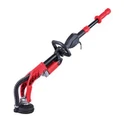
As a reputable supplier of Concrete Edge Grinders, I often receive inquiries from customers about the optimal frequency for changing the blades of their concrete edge grinders. This is a crucial question that directly impacts the efficiency, quality, and cost - effectiveness of concrete grinding operations. In this blog post, I will delve into the factors that influence blade replacement frequency and provide some practical guidelines to help you make informed decisions.
Factors Affecting Blade Replacement Frequency
1. Abrasiveness of the Concrete
The hardness and abrasiveness of the concrete being ground play a significant role in determining how quickly the blades wear out. High - strength concrete, which contains a large amount of aggregate or has a high cement - to - water ratio, is more abrasive. When grinding such concrete, the blades are subjected to greater friction and wear. For example, in industrial settings where concrete floors are designed to withstand heavy loads, the blades may need to be replaced more frequently compared to residential concrete surfaces.


2. Grinding Pressure and Speed
The pressure applied to the grinder and the speed at which it operates also affect blade life. Excessive grinding pressure can cause the blades to wear down more rapidly as they are forced to cut through the concrete with greater force. Similarly, running the grinder at a very high speed can generate more heat and friction, leading to accelerated blade wear. It is essential to follow the manufacturer's recommended pressure and speed settings for your specific concrete edge grinder to optimize blade performance and longevity.
3. Type of Blades
There are different types of blades available for concrete edge grinders, each with its own wear characteristics. Diamond blades are a popular choice due to their high durability and cutting efficiency. However, even diamond blades have a limited lifespan, and the quality of the diamonds used in the blade can vary. Higher - quality diamond blades generally last longer but come at a higher cost. Resin - bonded blades, on the other hand, are more suitable for softer concrete and may need to be replaced more often.
4. Grinding Pattern and Area
The pattern in which you grind the concrete and the size of the area being ground can impact blade wear. If you are constantly grinding in the same area or using a repetitive pattern, the blades will wear unevenly, reducing their overall lifespan. Additionally, larger grinding areas will naturally cause more wear on the blades compared to smaller areas.
General Guidelines for Blade Replacement
Based on the factors mentioned above, here are some general guidelines to help you determine how often to change the blades of your concrete edge grinder:
1. Visual Inspection
Regularly inspect the blades for signs of wear. Look for visible damage such as cracks, chips, or excessive wear on the cutting edges. If the blades are starting to look dull or if the diamonds are falling off, it is a clear indication that they need to be replaced.
2. Performance Monitoring
Pay attention to the performance of the grinder. If you notice a decrease in cutting efficiency, such as slower grinding speeds or a rougher finish on the concrete surface, it could be a sign that the blades are worn out. Additionally, if the grinder is vibrating more than usual, it may be due to uneven blade wear.
3. Operating Hours
As a rough estimate, for light - duty concrete grinding applications, you may need to change the blades every 10 - 20 operating hours. For medium - duty applications, the blades may last between 20 - 40 operating hours, and for heavy - duty applications, you might need to replace them every 40 - 60 operating hours. However, these are just general guidelines, and you should adjust the replacement frequency based on the specific conditions of your grinding projects.
Benefits of Timely Blade Replacement
1. Improved Grinding Efficiency
New blades cut through the concrete more easily, reducing the time and effort required for grinding. This can lead to significant productivity gains, especially on large - scale projects.
2. Better Surface Finish
Sharp blades produce a smoother and more even finish on the concrete surface. This is particularly important for applications where a high - quality finish is required, such as in commercial or residential flooring.
3. Reduced Equipment Wear
Worn - out blades can put additional stress on the grinder, leading to increased wear and tear on other components. By replacing the blades in a timely manner, you can extend the lifespan of your concrete edge grinder and reduce the risk of costly breakdowns.
Our Product Range and Support
At our company, we offer a wide range of high - quality Grinding Concrete Floor Machine, Stone Floor Grinding Machine, and Floor Tile Polishing Machine. Our blades are designed to provide optimal performance and durability, ensuring that you get the most out of your concrete edge grinder.
In addition to our high - quality products, we also offer expert advice and support to help you choose the right blades for your specific needs and determine the best replacement schedule. Our team of experienced technicians can assist you with installation, maintenance, and troubleshooting, ensuring that your grinding operations run smoothly.
Contact Us for Procurement and Consultation
If you are interested in purchasing our concrete edge grinders or blades, or if you have any questions about blade replacement or concrete grinding in general, we encourage you to contact us. Our sales team is ready to provide you with detailed product information, pricing, and a customized solution based on your project requirements. Whether you are a small - scale contractor or a large - scale construction company, we have the products and expertise to meet your needs.
References
- Concrete Grinding Handbook, Industry Publication
- Manufacturer's Manuals for Concrete Edge Grinders
- Research Studies on Abrasive Wear in Concrete Grinding