Transporting a large floor prep machine can be a challenging task, especially when you're a supplier responsible for getting these heavy and often bulky pieces of equipment safely to your customers. In this blog post, I'll share my experiences and best practices for transporting large floor prep machines based on my work as a supplier in the industry.
Understanding the Machine
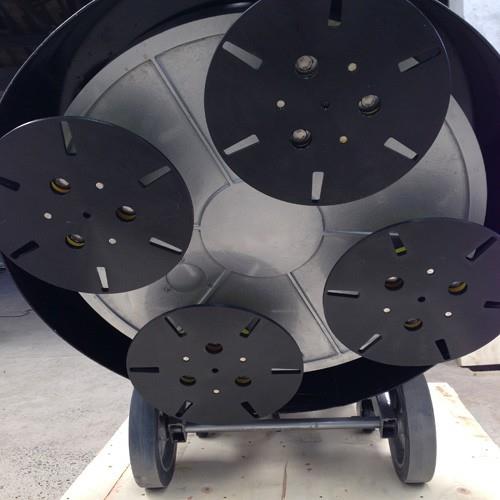
Before you even start thinking about transportation, it's crucial to have a thorough understanding of the floor prep machine you're dealing with. Different types of floor prep machines have different shapes, sizes, weights, and handling requirements. For example, a Four Discs Concrete Grinder may have a more complex structure compared to a simple single - disc grinder.
You need to know the exact dimensions of the machine, including its length, width, height, and the dimensions of any protruding parts. This information will be essential when it comes to choosing the right transportation method and ensuring that the machine fits properly in the transport vehicle.
Also, be aware of the weight of the machine. Large floor prep machines can be extremely heavy, sometimes weighing several hundred kilograms or even more. The weight will not only affect the choice of vehicle but also the handling during loading and unloading.
Pre - Transport Preparation
Disassembly and Protection
In many cases, it's a good idea to disassemble the floor prep machine into smaller, more manageable parts. This can make the transportation process easier and reduce the risk of damage. However, you need to make sure that you follow the manufacturer's instructions for disassembly. Keep track of all the parts, and label them clearly to ensure easy reassembly at the destination.
For each part, use appropriate protective materials. Foam padding, bubble wrap, or custom - made protective covers can be used to prevent scratches, dents, and other types of damage during transit. Pay special attention to fragile components such as control panels, motors, and grinding heads. For example, the Concrete Grinding Block is a critical part that needs to be well - protected to maintain its grinding performance.
Documentation
Prepare all the necessary documentation before transporting the machine. This includes the product manual, warranty information, and any special instructions for operation and maintenance. You may also need to provide shipping documents such as a bill of lading, which details the contents of the shipment, the origin, and the destination. Having these documents readily available can help in case of any issues during transit or at the delivery site.
Choosing the Right Transportation Method
Road Transport
Road transport is one of the most common methods for transporting large floor prep machines. It offers flexibility in terms of delivery locations and can be a cost - effective option for shorter distances. When choosing a road transport vehicle, consider the size and weight of the machine. A flatbed truck is often a good choice for larger machines as it provides an open and stable platform for loading.
However, road transport also has its limitations. Long - distance road trips can be affected by traffic, weather conditions, and road regulations. You need to ensure that the truck is equipped with proper securing mechanisms to prevent the machine from shifting during transit. Straps, chains, and braces can be used to secure the machine firmly to the truck bed.
Rail Transport
For longer distances, rail transport can be a more efficient and cost - effective option. Railways can handle heavy loads and offer a relatively stable mode of transportation. However, rail transport may require additional handling at the rail terminals for loading and unloading. You need to coordinate with the railway company to ensure that the proper equipment and facilities are available for handling your floor prep machine.
Air Transport
Air transport is the fastest option but also the most expensive. It is usually only considered for urgent deliveries or when the destination is far away and time is of the essence. Air transport requires strict compliance with airline regulations regarding weight, size, and packaging. The machine may need to be packaged in a special container to meet the airline's requirements.
Loading and Unloading
Loading
Loading the large floor prep machine onto the transport vehicle requires careful planning and the use of appropriate equipment. Forklifts, cranes, or loading ramps can be used depending on the size and weight of the machine. Make sure that the loading area is clear of any obstacles and that the ground is level and stable.
During loading, follow a systematic approach. Start by placing the heavier and larger parts first to ensure proper balance. Secure each part as it is loaded to prevent it from moving during the process. If possible, have a team of experienced workers to handle the loading to ensure safety and efficiency.
Unloading
Unloading at the destination is just as important as loading. The same equipment and safety precautions should be used. Once the machine is unloaded, inspect it carefully for any signs of damage. If any damage is found, document it immediately and contact the shipping company and the customer to resolve the issue.
Ensuring Safety During Transit
Monitoring
During transit, it's a good idea to monitor the shipment if possible. Some modern transportation vehicles are equipped with tracking systems that allow you to monitor the location and movement of the machine in real - time. This can help you stay informed about the progress of the delivery and take appropriate action in case of any delays or issues.
Insurance
It's essential to have adequate insurance coverage for your floor prep machine during transit. Accidents can happen, and having insurance can protect you from financial losses in case of damage or loss of the machine. Work with a reputable insurance provider to ensure that you have the right level of coverage for your specific needs.
Reassembly and Testing
Once the floor prep machine reaches its destination, it needs to be reassembled according to the disassembly instructions. Make sure that all the parts are properly connected and tightened. After reassembly, conduct a thorough testing of the machine to ensure that it is functioning correctly.
For example, if it's a Floor Grinder With Vacuum, test the grinding function as well as the vacuum system to ensure that they are working efficiently. Provide the customer with a demonstration of the machine's operation and offer any necessary training on its use and maintenance.

Conclusion
Transporting a large floor prep machine is a complex process that requires careful planning, the right equipment, and attention to detail. By following these best practices, you can ensure that your machines are transported safely and efficiently to your customers. If you're in the market for high - quality floor prep machines or have any questions about transportation, feel free to reach out to us for more information and to discuss your specific needs. We're here to help you find the best solutions for your floor preparation projects.
References
- Industry standards for packaging and transportation of heavy machinery
- Manufacturer's guidelines for disassembly and reassembly of floor prep machines
- Shipping regulations for road, rail, and air transport