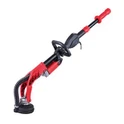
Hey there! As a supplier of hand held cement grinders, I often get asked about the power requirements for running these bad boys with a generator. It's a crucial question, especially for those working in remote sites or areas without a reliable power grid. So, let's dive right in and figure out what power needs a generator should meet for a hand held cement grinder.
First off, let's understand what a hand held cement grinder is all about. These tools are absolute workhorses when it comes to grinding, smoothing, and polishing concrete surfaces. They're used in all sorts of construction and renovation projects, from small DIY jobs to large commercial sites. But they need a good amount of power to operate effectively.
The power requirements of a hand held cement grinder depend on a few key factors. The first one is the motor size. Most hand held cement grinders come with motors ranging from 500 watts to 2500 watts. A smaller motor, say around 500 - 1000 watts, is suitable for light - duty tasks like smoothing small patches of concrete or doing some minor surface prep. On the other hand, if you're dealing with thick, tough concrete or need to cover a large area quickly, you'll want a grinder with a more powerful motor, upwards of 1500 watts.
Another factor is the type of grinding wheel or disc being used. Different wheels have different resistance levels. For example, a diamond - tipped grinding wheel is more efficient but may require more power to spin at the optimal speed compared to a regular abrasive wheel. The speed settings of the grinder also play a role. Higher speeds generally demand more power, so if you plan to use your grinder at top speed for extended periods, you'll need a generator that can handle that extra load.
Now, let's talk about generators. When choosing a generator for your hand held cement grinder, you need to consider its rated power output. The rated power is the continuous amount of power the generator can supply over a long period. You don't want to just match the power rating of the grinder; you should have some extra capacity. A good rule of thumb is to choose a generator with a rated power that is at least 20 - 30% higher than the maximum power consumption of the grinder.
For instance, if your hand held cement grinder has a maximum power draw of 1500 watts, you should look for a generator with a rated power of around 1800 - 1950 watts. This extra capacity accounts for any power spikes that may occur when the grinder starts up or when it encounters a particularly tough spot in the concrete.
In addition to the rated power, you also need to consider the generator's starting power or surge capacity. When you first turn on a hand held cement grinder, the motor needs a sudden burst of power to get going. This starting power can be significantly higher than the normal operating power. Some generators have a built - in surge capacity to handle these initial spikes. Make sure your generator can provide enough starting power to avoid stalling the grinder.
Let's take a look at some of the different types of hand held cement grinders and their typical power requirements. The Concrete Level Grinding Machine is designed for precise leveling of concrete floors. It usually has a motor power in the range of 1000 - 2000 watts. So, for this type of grinder, you'd want a generator with a rated power of at least 1200 - 2600 watts to account for the normal operation and starting surges.
The Concrete Floor Grinder With Vacuum is a great option for keeping the work area clean while grinding. The addition of the vacuum adds to the overall power consumption. These grinders often have a combined power draw of 1500 - 2500 watts. A generator with a rated power of 1800 - 3250 watts would be a good fit to ensure smooth operation.
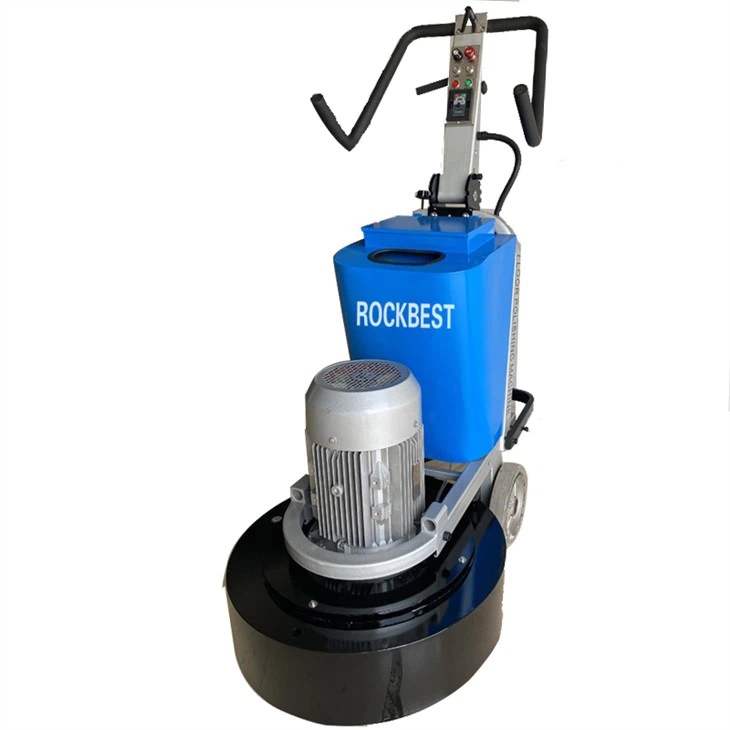

The Planetary Floor Machine is a heavy - duty grinder used for large - scale floor grinding projects. It typically has a high - power motor, often in the 2000 - 3000 watt range. You'll need a beefy generator with a rated power of 2400 - 3900 watts to run this machine effectively.
When it comes to the type of generator, there are two main options: gasoline - powered and diesel - powered. Gasoline generators are more common and generally more affordable. They're also lighter and easier to transport, which is great if you're moving your grinder from one job site to another. However, they tend to be less fuel - efficient and may require more maintenance.
Diesel generators, on the other hand, are more fuel - efficient and have a longer lifespan. They can handle heavy loads better and are often used in industrial settings. But they're usually more expensive upfront and can be a bit noisier.
It's also important to consider the quality of the generator. A high - quality generator will provide a stable power output, which is essential for the proper functioning of your hand held cement grinder. A fluctuating power supply can damage the grinder's motor and reduce its lifespan. Look for generators from reputable brands that offer good warranties and after - sales support.
In conclusion, choosing the right generator for your hand held cement grinder is crucial for getting the job done efficiently and safely. By considering the power requirements of your grinder, the generator's rated power and surge capacity, and the type of generator, you can make an informed decision.
If you're in the market for a hand held cement grinder or need more advice on power requirements and generator selection, don't hesitate to reach out. We're here to help you find the perfect solution for your concrete grinding needs. Let's start a conversation about your project and see how we can assist you.
References
- Construction Equipment Handbook
- Generator Manufacturer's Guides
- Concrete Grinding Industry Standards