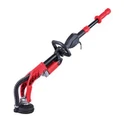
Concrete polishing has become a popular choice for many commercial and residential spaces due to its durability, aesthetic appeal, and low maintenance requirements. As a leading supplier of [Concrete Polishing Tools], I often receive questions from customers about the compatibility of concrete polishing tools with previously sealed concrete. In this blog post, I will explore the feasibility of using concrete polishing tools on sealed concrete, the challenges you may encounter, and the best practices to achieve successful results.
Understanding Sealed Concrete
Before diving into the use of concrete polishing tools on sealed concrete, it's important to understand what sealed concrete is and how it differs from unsealed concrete. Sealing concrete involves applying a protective coating to the surface to prevent moisture penetration, protect against stains and chemicals, and enhance the appearance of the concrete. There are different types of sealers available, including topical sealers, penetrating sealers, and reactive sealers, each with its own properties and benefits.
Topical sealers form a thin film on the surface of the concrete, providing a protective barrier against moisture and stains. They can enhance the gloss and color of the concrete, but they may also wear off over time and require periodic reapplication. Penetrating sealers, on the other hand, penetrate into the pores of the concrete, reacting with the cementitious material to form a water-repellent barrier. They do not change the appearance of the concrete significantly and offer long-lasting protection. Reactive sealers chemically react with the concrete to create a hard, dense surface that is resistant to abrasion and staining.
Can You Polish Previously Sealed Concrete?
The short answer is yes, you can use concrete polishing tools on previously sealed concrete, but it's not without its challenges. The success of the polishing process depends on several factors, including the type of sealer used, the age and condition of the sealer, and the type of polishing tools and techniques employed.
Type of Sealer
The type of sealer used on the concrete plays a crucial role in determining the feasibility of polishing. Topical sealers are generally easier to remove or polish through compared to penetrating or reactive sealers. Since topical sealers form a film on the surface, they can be ground or polished away using abrasive tools. However, if the sealer is thick or has been applied multiple times, it may require more aggressive grinding to remove it completely.
Penetrating and reactive sealers, on the other hand, are more difficult to remove because they penetrate into the concrete or react with it chemically. In some cases, it may not be possible to polish through these types of sealers without causing damage to the concrete. If you're dealing with a penetrating or reactive sealer, it's recommended to consult with a professional concrete polisher or the manufacturer of the sealer for guidance on the best approach.
Age and Condition of the Sealer
The age and condition of the sealer also affect the polishing process. Older sealers may have degraded or worn off over time, making them easier to remove or polish through. However, if the sealer is still in good condition and has a strong bond with the concrete, it may require more effort to remove it. In some cases, it may be necessary to test a small area of the concrete to determine the effectiveness of the polishing tools and techniques.
Polishing Tools and Techniques
Using the right polishing tools and techniques is essential for achieving successful results when polishing previously sealed concrete. The type of tools you choose will depend on the type and condition of the sealer, as well as the desired finish of the concrete.
For removing topical sealers, you can start with a coarse grinding wheel, such as a Concrete Polishing Wheel, to remove the majority of the sealer. Then, you can gradually move to finer grit wheels and polishing pads to achieve the desired smoothness and shine. Dry Polishing Pad are often used for dry polishing applications, while wet polishing pads are suitable for wet polishing processes.
When dealing with penetrating or reactive sealers, you may need to use more aggressive grinding techniques or specialized tools. In some cases, it may be necessary to use chemical strippers to remove the sealer before starting the polishing process. However, it's important to follow the manufacturer's instructions when using chemical strippers, as they can be harmful if not used properly.
Best Practices for Polishing Previously Sealed Concrete
Here are some best practices to follow when using concrete polishing tools on previously sealed concrete:
Test a Small Area
Before starting the polishing process on the entire surface, it's important to test a small, inconspicuous area of the concrete to determine the effectiveness of the polishing tools and techniques. This will help you identify any potential issues and make any necessary adjustments before proceeding with the full project.
Use the Right Tools and Equipment
As mentioned earlier, using the right tools and equipment is essential for achieving successful results. Make sure to choose tools that are designed for concrete polishing and are suitable for the type and condition of the sealer. It's also important to use high-quality tools to ensure a consistent and professional finish.
Follow a Step-by-Step Process
Polishing concrete is a multi-step process that requires patience and attention to detail. Start by removing any loose debris or contaminants from the surface of the concrete. Then, use a coarse grinding wheel to remove the majority of the sealer. Gradually move to finer grit wheels and polishing pads to achieve the desired smoothness and shine. Make sure to follow the manufacturer's instructions for each tool and technique.
Protect the Surrounding Area
Polishing concrete can generate a lot of dust and debris, so it's important to protect the surrounding area from damage. Cover any furniture, fixtures, or equipment with plastic sheeting or tarps. Use a dust collection system to minimize the amount of dust in the air.
Finish with a Sealer
Once you have achieved the desired finish, it's recommended to apply a sealer to the concrete to protect it from future stains and damage. Choose a sealer that is compatible with the type of concrete and the polishing process. Follow the manufacturer's instructions for application and curing.


Conclusion
In conclusion, it is possible to use concrete polishing tools on previously sealed concrete, but it requires careful consideration of several factors, including the type of sealer used, the age and condition of the sealer, and the type of polishing tools and techniques employed. By following the best practices outlined in this blog post, you can achieve successful results and transform your sealed concrete into a beautiful, polished surface.
If you have any questions or need further guidance on using concrete polishing tools on previously sealed concrete, please feel free to contact us. Our team of experts is always ready to assist you with your concrete polishing needs. Whether you're a contractor, a builder, or a homeowner, we offer a wide range of high-quality Concrete Polishing Pads and tools to help you achieve the perfect finish. Contact us today to discuss your project and get a free quote.
References
- Concrete Polishing: A Comprehensive Guide. Concrete Construction Magazine.
- Best Practices for Polishing Sealed Concrete. Manufacturers' Specifications and Guidelines.