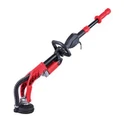
Hey there! As a supplier of concrete grinder machines, I often get asked all sorts of questions about these bad boys. One question that pops up quite a bit is, "Can a concrete grinder machine be used in high - humidity environments?" Well, let's dive right into it and find out.
First off, let's understand what a concrete grinder machine is for those who might not be in the know. A concrete grinder is a powerful tool used to smooth, level, and polish concrete surfaces. It's got a motor that spins abrasive discs at high speeds, which helps to remove coatings, level uneven floors, and give the concrete a nice finish. We've got different types of these machines, like the 180mm Floor Grinder, the Garage Floor Grinding Machine, and the Concrete Floor Leveling Grinding Machine.
Now, high - humidity environments can be a bit tricky. Humidity is basically the amount of water vapor in the air. When the humidity is high, there's a lot of moisture floating around. And this moisture can have some real effects on both the concrete grinder machine and the concrete surface it's working on.
Let's start with the machine itself. Most concrete grinder machines are made of metal parts, and metal and moisture don't always play well together. When there's a lot of humidity, the metal components of the grinder can start to rust. Rust is basically a form of corrosion that happens when iron in the metal reacts with oxygen and water. Once rust starts to form, it can weaken the metal, cause parts to break down, and even affect the performance of the machine. For example, if the bearings of the grinder start to rust, they won't spin as smoothly, which can lead to uneven grinding and a whole bunch of other problems.
Another issue is with the electrical components. Concrete grinder machines are powered by electricity, and moisture can be a big no - no for electrical parts. High humidity can cause electrical shorts, which can damage the motor or other electrical components. It can also increase the risk of electric shock, which is obviously super dangerous. So, if you're using a grinder in a high - humidity environment, you've got to be extra careful to protect the electrical parts.


But it's not just the machine that's affected. The concrete surface itself can also be impacted by high humidity. When the humidity is high, the concrete takes longer to dry. This can be a problem if you're trying to remove a coating or polish the surface. For instance, if you're using a grinder to remove a paint coating from the concrete, and the concrete is wet or slow to dry because of the humidity, the grinder might not work as effectively. The abrasive discs might not grip the surface properly, and you might end up with a less - than - perfect finish.
However, that doesn't mean you can never use a concrete grinder machine in a high - humidity environment. There are ways to make it work.
One option is to use a dehumidifier. A dehumidifier is a device that removes moisture from the air. By running a dehumidifier in the area where you're using the grinder, you can lower the humidity levels. This helps to protect the machine from rust and electrical issues, and it also allows the concrete to dry more quickly. Just make sure the dehumidifier is powerful enough for the size of the space.
You also need to do proper maintenance on the machine. After each use in a high - humidity environment, clean the machine thoroughly. Wipe down all the metal parts to remove any moisture and apply a rust - preventive coating if possible. Check the electrical components for any signs of damage or moisture, and make sure they're dry before using the machine again.
Another important thing is to choose the right abrasive discs. Some abrasive discs are designed to work better in wet or high - humidity conditions. These discs are made with materials that can withstand the moisture and still provide a good grinding performance. Make sure to ask your supplier about the best discs for high - humidity use.
When it comes to the concrete surface, you might need to adjust your grinding technique. For example, you might need to grind more slowly to allow the concrete to dry as you go. You can also use a vacuum system to remove any excess water or dust from the surface. This helps to keep the grinder working effectively and ensures a better finish.
In conclusion, while using a concrete grinder machine in a high - humidity environment is challenging, it's definitely doable. With the right precautions, like using a dehumidifier, doing proper maintenance, choosing the right abrasive discs, and adjusting your grinding technique, you can get the job done. And as a supplier, we're here to help you every step of the way. If you've got any questions about using our 180mm Floor Grinder, Garage Floor Grinding Machine, or Concrete Floor Leveling Grinding Machine in a high - humidity environment, just reach out to us. We can provide you with all the information and support you need to make your project a success. Whether you're a professional contractor or a DIY enthusiast, we've got the products and knowledge to help you get the best results. So, don't hesitate to contact us if you're thinking about purchasing a concrete grinder machine or need advice on using one in challenging conditions.
References
- Construction Machinery Handbook: Covers general information about concrete grinder machines and their operation.
- Moisture and Concrete Research Papers: Provide insights into how humidity affects concrete and construction equipment.