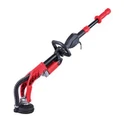
Water plays a crucial and multi - faceted role in the process of concrete grinding. As a leading supplier of concrete grinding equipment, including Portable Concrete Grinder, Concrete Floor Grinder Polisher, and Planetary Concrete Grinder, I have witnessed firsthand how water can significantly impact the efficiency, quality, and safety of concrete grinding operations.
Cooling the Grinding Tools
One of the primary functions of water in concrete grinding is to cool the grinding tools. When the abrasive discs or segments of a concrete grinder come into contact with the hard concrete surface, a substantial amount of heat is generated due to friction. High temperatures can cause several problems. Firstly, excessive heat can lead to the premature wear and damage of the grinding tools. The abrasive materials on the discs can lose their cutting edges more quickly, reducing the tool's lifespan and increasing the frequency of replacement.
For example, in a large - scale commercial concrete grinding project, if water is not used for cooling, the grinding discs may need to be replaced every few hours. However, with proper water application, the same discs can last for days, resulting in significant cost savings. Moreover, high temperatures can also cause the concrete surface to crack or spall in some cases. By continuously applying water during grinding, the heat is dissipated, keeping the temperature of the grinding tools and the concrete surface within a safe range. This ensures a more consistent and efficient grinding process.


Dust Suppression
Dust is a major concern in concrete grinding operations. Concrete dust contains fine particles of silica, which can be extremely harmful to human health when inhaled. Prolonged exposure to silica dust can lead to serious respiratory diseases such as silicosis, lung cancer, and chronic obstructive pulmonary disease (COPD). Water is an effective and environmentally - friendly solution for dust suppression.
When water is sprayed onto the grinding area, it wets the dust particles, making them heavier and causing them to settle down instead of becoming airborne. This not only protects the health of the workers but also improves the overall working environment. In an indoor concrete grinding project, such as a warehouse or a shopping mall, effective dust suppression is essential to avoid the contamination of the surrounding areas. Without proper dust control, the dust can spread throughout the building, causing damage to sensitive equipment and affecting the operation of other businesses.
Our Portable Concrete Grinder is designed with a built - in water delivery system that can be easily adjusted to provide the right amount of water for optimal dust suppression. In addition, water - based dust suppression is more cost - effective compared to some other methods, such as using expensive dust collection systems alone.
Improving Grinding Quality
Water also plays a vital role in improving the quality of the concrete grinding. It helps to lubricate the grinding process, allowing the abrasive tools to move more smoothly over the concrete surface. This results in a more uniform and consistent grind, reducing the occurrence of uneven spots or scratches on the concrete.
In decorative concrete grinding, where a smooth and polished finish is desired, water is indispensable. The lubricating effect of water enables the grinder to remove the top layer of the concrete more evenly, revealing the underlying aggregates and creating a beautiful, high - quality finish. For instance, when using a Concrete Floor Grinder Polisher to achieve a mirror - like finish on a concrete floor, the proper use of water ensures that the polishing process is carried out smoothly, enhancing the overall aesthetic appeal of the floor.
Facilitating Material Removal
During concrete grinding, water can help to facilitate the removal of the concrete material. It softens the concrete surface slightly, making it easier for the abrasive tools to cut through the material. This is particularly beneficial when dealing with hard - to - grind concrete, such as high - strength concrete or concrete with a dense aggregate structure.
In a construction project where the concrete has been cured for a long time and has high hardness, the use of water can significantly increase the grinding efficiency. The water penetrates into the pores of the concrete, reducing the internal cohesion of the material and allowing the grinding tools to remove the concrete more effectively. This not only saves time but also reduces the energy consumption of the grinding equipment.
Considerations for Water Usage in Concrete Grinding
While water offers numerous benefits in concrete grinding, there are also some considerations that need to be taken into account. Firstly, the amount of water used needs to be carefully controlled. Too much water can create a messy working environment and may cause the water to pool on the concrete surface, interfering with the grinding process. On the other hand, too little water may not provide sufficient cooling or dust suppression.
The quality of the water is also important. Hard water, which contains high levels of minerals such as calcium and magnesium, can leave behind mineral deposits on the concrete surface and the grinding tools. These deposits can affect the grinding performance and the final appearance of the concrete. Therefore, it is advisable to use clean, soft water whenever possible.
In addition, proper drainage is necessary to ensure that the water used during grinding can be removed efficiently. In an outdoor project, natural slopes can be used for drainage. In an indoor project, a sump pump or a drainage system may need to be installed to prevent water from accumulating.
Conclusion
In conclusion, water is an essential component in concrete grinding operations. Its roles in cooling the grinding tools, suppressing dust, improving grinding quality, and facilitating material removal are all crucial for a successful and efficient concrete grinding project. As a supplier of high - quality concrete grinding equipment, we understand the importance of water in the process and offer products that are designed to work in harmony with water application.
If you are involved in a concrete grinding project and are looking for reliable and efficient grinding equipment, we are here to help. Our range of Portable Concrete Grinder, Concrete Floor Grinder Polisher, and Planetary Concrete Grinder is designed to meet the diverse needs of different projects. Contact us today to discuss your specific requirements and let us assist you in achieving the best results for your concrete grinding project.
References
- National Institute for Occupational Safety and Health (NIOSH). "Preventing Silicosis in Construction Workers."
- American Concrete Institute (ACI). "Guide for Concrete Floor Finishing."
- Concrete Construction Magazine. "Best Practices for Concrete Grinding and Polishing."