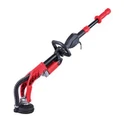
Hey there, fellow floor enthusiasts! As a supplier of wood floor sander machines, I often get asked about what makes these nifty tools tick. So, today, I'm going to break down the power sources of a typical wood floor sander machine.
Electric Power: The Most Common Choice
When it comes to wood floor sander machines, electric power is by far the most popular option. Why? Well, it's simple, convenient, and widely available. Most electric wood floor sanders plug directly into a standard electrical outlet, which means you don't have to worry about refueling or dealing with exhaust fumes.
Corded Electric Sanders
Corded electric sanders are the workhorses of the wood floor sanding world. They offer a consistent and reliable power source, which is essential for tackling large areas of flooring. These machines are usually connected to a power cord that can range from 25 to 50 feet in length, allowing you to move around the room with relative ease.
One of the main advantages of corded electric sanders is their power. They can generate a significant amount of torque, which is necessary for removing old finishes, leveling uneven floors, and smoothing rough surfaces. However, the cord can sometimes be a bit of a hassle, especially if you need to move the machine around a lot. You have to be careful not to trip over it or get it caught in the equipment.
Cordless Electric Sanders
On the other hand, cordless electric sanders offer more mobility and flexibility. These machines are powered by rechargeable batteries, which means you can take them anywhere you need to go without having to worry about finding an electrical outlet. Cordless sanders are great for small jobs or for working in areas where there is no access to electricity.
The main drawback of cordless electric sanders is their battery life. Depending on the model and the type of battery, you may only get a few hours of use before the battery needs to be recharged. This can be a problem if you have a large area to sand or if you're working on a tight schedule. However, advancements in battery technology have made cordless sanders more powerful and longer-lasting than ever before.
Gasoline Power: For Heavy-Duty Jobs
For those really big and tough jobs, gasoline-powered wood floor sander machines are the way to go. These machines are typically used by professional floor installers and contractors who need to sand large commercial or industrial floors.
Advantages of Gasoline-Powered Sanders
One of the biggest advantages of gasoline-powered sanders is their power. They can generate a lot more torque than electric sanders, which means they can handle even the most stubborn finishes and rough surfaces. Gasoline-powered sanders also offer greater mobility, as they don't need to be plugged into an electrical outlet. This makes them ideal for working in areas where there is no access to electricity, such as outdoor patios or unfinished basements.
Disadvantages of Gasoline-Powered Sanders
However, gasoline-powered sanders also have some drawbacks. They are more expensive to purchase and operate than electric sanders, as you need to buy gasoline and maintain the engine. They also produce exhaust fumes, which can be harmful to your health if you're working in a poorly ventilated area. Additionally, gasoline-powered sanders are louder and heavier than electric sanders, which can make them more difficult to use.
Pneumatic Power: A Specialized Option
Pneumatic wood floor sander machines are powered by compressed air. These machines are less common than electric and gasoline-powered sanders, but they offer some unique advantages.
How Pneumatic Sanders Work
Pneumatic sanders are connected to an air compressor, which provides the power needed to operate the machine. The compressed air is used to drive a motor, which in turn rotates the sanding pad. Pneumatic sanders are typically lighter and more compact than electric and gasoline-powered sanders, which makes them easier to maneuver.
Advantages of Pneumatic Sanders
One of the main advantages of pneumatic sanders is their precision. They can be adjusted to provide a very fine sanding finish, which is ideal for working on delicate or intricate woodwork. Pneumatic sanders are also less likely to overheat than electric sanders, which means they can be used for longer periods of time without the risk of damage.
Disadvantages of Pneumatic Sanders
However, pneumatic sanders also have some limitations. They require an air compressor, which can be expensive to purchase and maintain. They also need a constant supply of compressed air, which means you need to have access to an air source at all times. Additionally, pneumatic sanders are not as powerful as electric or gasoline-powered sanders, which means they may not be suitable for heavy-duty jobs.
Choosing the Right Power Source for Your Needs
So, now that you know about the different power sources available for wood floor sander machines, how do you choose the right one for your needs? Well, it depends on a few factors, such as the size of the job, the type of flooring you're working on, and your personal preferences.
Small Jobs
If you're working on a small area of flooring, such as a closet or a small room, a cordless electric sander may be the best option. These machines are lightweight, portable, and easy to use, and they offer enough power for most small jobs.


Medium-Sized Jobs
For medium-sized jobs, such as sanding a single room or a hallway, a corded electric sander is usually the best choice. These machines offer a good balance of power and mobility, and they are more affordable than gasoline-powered sanders.
Large Jobs
If you're working on a large area of flooring, such as a commercial or industrial space, a gasoline-powered sander is probably your best bet. These machines offer the most power and mobility, and they are designed to handle the toughest jobs.
Specialized Jobs
For specialized jobs, such as working on delicate or intricate woodwork, a pneumatic sander may be the best option. These machines offer the most precision and control, and they are less likely to damage the wood.
Our Wood Floor Sander Machine Offerings
As a supplier of wood floor sander machines, we offer a wide range of products to meet the needs of our customers. Whether you're a professional floor installer or a DIY enthusiast, we have the right sander for you.
In addition to our wood floor sander machines, we also offer a variety of other floor sanding equipment, such as Planetary Concrete Polisher, Four Discs Concrete Grinder, and Planetary Concrete Grinding Machine Floor Grinder. These products are designed to provide a high-quality finish on a variety of surfaces, including concrete, marble, and granite.
Contact Us for Your Flooring Needs
If you're in the market for a wood floor sander machine or any other floor sanding equipment, we'd love to hear from you. Our team of experts can help you choose the right product for your needs and provide you with all the information you need to make an informed decision. So, don't hesitate to reach out and let's start a conversation about how we can help you achieve the perfect floor.
References
- Wood Flooring Installation and Sanding Guide. (n.d.). Retrieved from various industry publications
- Power Tools for Flooring Professionals. (n.d.). Retrieved from trade magazines focused on flooring and construction
- Understanding Different Power Sources for Power Tools. (n.d.). Retrieved from technical manuals of power tool manufacturers