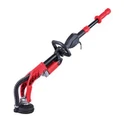
As a supplier of Concrete Grinding Tools, one of the most frequently asked questions I encounter from contractors, DIY enthusiasts, and facility managers is about the minimum thickness of concrete that can be ground with our tools. This question is crucial as it directly impacts the feasibility and safety of any concrete grinding project. In this blog post, I'll delve into the factors that determine the minimum concrete thickness for grinding and provide some general guidelines based on our experience and industry knowledge.
Understanding the Basics of Concrete Grinding
Before we discuss the minimum concrete thickness, it's important to understand how concrete grinding works. Concrete grinding is a process that uses abrasive tools to remove the top layer of concrete, leveling the surface, removing imperfections, and preparing it for further treatments such as polishing or coating. The grinding tools, such as HTC Floor Grinding Tools, Concrete Floor Grinding Blocks, and Floor Grinding Disc, come in various grits and types, each designed for specific tasks and concrete conditions.
Factors Affecting the Minimum Concrete Thickness
Several factors influence the minimum thickness of concrete that can be safely ground. These factors include the type of grinding tool, the hardness of the concrete, the condition of the concrete surface, and the intended use of the concrete after grinding.
Type of Grinding Tool
Different grinding tools have different levels of aggressiveness and power requirements. For example, large, heavy-duty grinding machines equipped with aggressive grinding discs can generate significant pressure and vibration, which may cause thin concrete slabs to crack or delaminate. On the other hand, smaller, handheld grinding tools or less aggressive grinding pads are more suitable for thinner concrete surfaces. As a general rule, the more powerful the grinding tool, the thicker the concrete should be to withstand the grinding process.
Hardness of the Concrete
The hardness of the concrete is another important factor. Harder concrete, such as high-strength concrete or concrete that has been treated with a densifier, requires more force to grind. This means that thinner concrete slabs made of hard concrete may be more prone to damage during the grinding process. Softer concrete, on the other hand, can be ground more easily, allowing for grinding on relatively thinner slabs. However, softer concrete may also be more porous and less durable, which can affect the final result of the grinding and subsequent treatments.
Condition of the Concrete Surface
The condition of the concrete surface plays a significant role in determining the minimum grinding thickness. If the concrete surface has significant cracks, voids, or unevenness, grinding may exacerbate these issues, especially on thin slabs. In such cases, it may be necessary to repair the surface before grinding or to use a more gentle grinding approach. Additionally, if the concrete has been previously treated with coatings or sealers, the removal of these layers during grinding can also affect the integrity of the concrete, especially if the slab is thin.
Intended Use of the Concrete After Grinding
The intended use of the concrete after grinding is also a consideration. If the concrete will be subjected to heavy traffic, loads, or chemical exposure, a thicker slab is generally recommended to ensure its long-term durability. For example, a warehouse floor that will support forklift traffic requires a thicker and more robust concrete slab than a residential garage floor that will only be used for parking cars. The grinding process can affect the strength and wear resistance of the concrete, so it's important to take the future use of the concrete into account when determining the minimum grinding thickness.
General Guidelines for Minimum Concrete Thickness
Based on our experience and industry standards, here are some general guidelines for the minimum concrete thickness that can be ground with our tools:
- Light-Duty Grinding: For light-duty grinding tasks, such as removing light surface stains, minor imperfections, or preparing a surface for painting, a concrete thickness of at least 1 - 2 inches (25 - 50 mm) is generally sufficient. These tasks can typically be performed using handheld grinding tools or less aggressive grinding pads.
- Medium-Duty Grinding: Medium-duty grinding, which involves leveling the surface, removing moderate imperfections, or preparing the concrete for polishing, usually requires a minimum concrete thickness of 2 - 3 inches (50 - 75 mm). This type of grinding is commonly done using walk-behind grinding machines with medium-aggressive grinding discs.
- Heavy-Duty Grinding: Heavy-duty grinding, such as removing thick coatings, deep scratches, or leveling severely uneven surfaces, requires a concrete thickness of at least 3 - 4 inches (75 - 100 mm) or more. Heavy-duty grinding machines with aggressive grinding discs generate a lot of force and vibration, so a thicker concrete slab is necessary to prevent damage.
It's important to note that these are general guidelines, and the actual minimum thickness may vary depending on the specific conditions of each project. Before starting any concrete grinding project, it's recommended to consult with a professional engineer or contractor to assess the concrete slab's condition and determine the appropriate grinding approach.
Case Studies
To illustrate the importance of considering the minimum concrete thickness, let's look at a couple of case studies.


Case Study 1: Residential Garage Floor
A homeowner wanted to grind and polish the concrete floor in their garage to give it a more modern look. The garage floor was approximately 2 inches (50 mm) thick. After a thorough inspection, we determined that the concrete was in good condition with no major cracks or voids. We used a handheld grinding tool with medium-grit grinding pads to gently remove the surface stains and prepare the floor for polishing. The grinding process went smoothly, and the final result was a beautiful, polished garage floor that met the homeowner's expectations.
Case Study 2: Warehouse Floor
A warehouse owner needed to grind and level a large concrete floor that had become uneven over time due to heavy forklift traffic. The concrete floor was 4 inches (100 mm) thick. We used a heavy-duty walk-behind grinding machine with aggressive grinding discs to remove the high spots and level the surface. Despite the thickness of the concrete, we still had to be careful not to over-grind in certain areas to avoid damaging the slab. After the grinding was complete, the floor was ready for a new epoxy coating, which improved its durability and appearance.
Conclusion
Determining the minimum thickness of concrete that can be ground is a critical step in any concrete grinding project. By considering factors such as the type of grinding tool, the hardness of the concrete, the condition of the surface, and the intended use of the concrete after grinding, you can ensure a successful and safe grinding process. As a supplier of Concrete Grinding Tools, we are committed to providing our customers with the information and support they need to make informed decisions about their concrete grinding projects.
If you have any questions about concrete grinding or need advice on choosing the right tools for your project, please don't hesitate to contact us. We are here to help you achieve the best results with your concrete surfaces.
References
- American Concrete Institute (ACI) - Concrete Construction Manual
- National Ready Mixed Concrete Association (NRMCA) - Technical Resources
- Concrete Polishing Association of America (CPAA) - Best Practices Guide