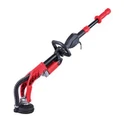
As a supplier of stand-up concrete grinders, I often encounter inquiries about the maximum grinding width of these machines. Understanding this parameter is crucial for contractors, construction workers, and DIY enthusiasts alike, as it directly impacts the efficiency and productivity of concrete grinding projects. In this blog post, I will delve into the factors that determine the maximum grinding width of a stand-up concrete grinder and provide insights to help you make an informed decision when choosing the right equipment for your needs.
Understanding Stand-Up Concrete Grinders
Stand-up concrete grinders are powerful tools designed to smooth, level, and polish concrete surfaces. They are commonly used in various applications, including floor preparation for new installations, surface restoration, and the removal of coatings and adhesives. These grinders feature a vertical design, allowing operators to stand behind the machine and control its movement, providing greater comfort and maneuverability compared to handheld or walk-behind models.
Factors Affecting the Maximum Grinding Width
Several factors influence the maximum grinding width of a stand-up concrete grinder. Understanding these factors will help you determine the most suitable machine for your specific project requirements.
1. Machine Design and Configuration
The design and configuration of the stand-up concrete grinder play a significant role in determining its maximum grinding width. Different models are available with varying numbers of grinding heads or discs, which can range from single-disc to multi-disc configurations. Generally, grinders with more discs offer a wider grinding path, allowing you to cover more surface area in less time.
For example, a single-disc grinder may have a grinding width of around 8 to 12 inches, while a multi-disc grinder with three or more discs can have a grinding width of 16 to 30 inches or more. When choosing a grinder, consider the size of the area you need to grind and the level of efficiency you require. If you are working on large commercial projects, a multi-disc grinder with a wider grinding width may be more suitable.
2. Motor Power and Torque
The motor power and torque of the stand-up concrete grinder are also important factors to consider. A more powerful motor can provide the necessary torque to drive the grinding discs at a consistent speed, even when grinding hard or dense concrete surfaces. This is particularly important when using a grinder with a wider grinding width, as it requires more power to maintain the same level of performance.
Grinders with higher motor power and torque are generally able to handle wider grinding widths more effectively, reducing the risk of stalling or overheating. When comparing different models, look for grinders with motors rated at 5 to 10 horsepower or more, depending on the size and complexity of your project.
3. Grinding Disc Size and Type
The size and type of grinding discs used in the stand-up concrete grinder can also affect its maximum grinding width. Larger grinding discs typically offer a wider grinding path, but they may also require more power to operate. Additionally, different types of grinding discs are designed for specific applications, such as rough grinding, fine grinding, or polishing.
When choosing grinding discs, consider the type of concrete surface you are working on and the desired finish. For example, if you are grinding a rough or uneven surface, you may need to use a coarse-grit grinding disc to remove the top layer of concrete quickly. On the other hand, if you are polishing a concrete floor, you will need to use a fine-grit grinding disc to achieve a smooth and shiny finish.
4. Operator Skill and Experience
The skill and experience of the operator can also have an impact on the maximum grinding width of a stand-up concrete grinder. A skilled operator will be able to control the machine more effectively, ensuring that the grinding discs are applied evenly across the surface and that the grinder maintains a consistent speed and pressure.


When using a grinder with a wider grinding width, it is important to have the necessary training and experience to operate the machine safely and efficiently. This includes understanding how to adjust the grinder's settings, such as the grinding depth and speed, and how to handle any potential issues that may arise during the grinding process.
Benefits of Using a Stand-Up Concrete Grinder with a Wider Grinding Width
Using a stand-up concrete grinder with a wider grinding width offers several benefits, including:
1. Increased Efficiency
A wider grinding width allows you to cover more surface area in less time, reducing the overall time and labor required to complete a project. This can result in significant cost savings, especially for large commercial projects.
2. Improved Productivity
With a wider grinding width, you can achieve a more consistent and uniform finish across the entire surface, improving the overall quality of the grinding job. This can lead to increased customer satisfaction and repeat business.
3. Reduced Fatigue
Stand-up concrete grinders are designed to be more comfortable and ergonomic to use compared to handheld or walk-behind models. Using a grinder with a wider grinding width can further reduce operator fatigue, as you can cover more surface area with fewer passes.
Choosing the Right Stand-Up Concrete Grinder for Your Needs
When choosing a stand-up concrete grinder, it is important to consider your specific project requirements and budget. Here are some tips to help you make the right decision:
1. Determine the Size of the Area You Need to Grind
Before purchasing a grinder, measure the size of the area you need to grind and consider the type of concrete surface you are working on. This will help you determine the appropriate grinding width and power requirements for your project.
2. Consider the Type of Grinding You Need to Do
Different types of grinding require different types of grinders and grinding discs. If you are only planning to do light grinding or polishing, a smaller grinder with a narrower grinding width may be sufficient. However, if you are working on a large commercial project or need to remove thick coatings or adhesives, you may need a more powerful grinder with a wider grinding width.
3. Look for a Grinder with Adjustable Settings
A grinder with adjustable settings, such as the grinding depth and speed, allows you to customize the grinding process to suit your specific needs. This can help you achieve a more consistent and uniform finish across the entire surface.
4. Choose a Grinder with a Good Reputation
When purchasing a stand-up concrete grinder, it is important to choose a reputable brand and model. Look for grinders that are known for their reliability, durability, and performance. You can also read customer reviews and testimonials to get an idea of the quality of the grinder and the level of customer support provided by the manufacturer.
Conclusion
The maximum grinding width of a stand-up concrete grinder is an important factor to consider when choosing the right equipment for your project. By understanding the factors that affect the grinding width and the benefits of using a grinder with a wider grinding path, you can make an informed decision and choose a grinder that meets your specific needs and budget.
If you are in the market for a stand-up concrete grinder, I encourage you to explore our range of Dust Free Concrete Grinder, Electric Floor Grinder, and Floor Grinding Machine. Our grinders are designed to provide high performance, reliability, and efficiency, making them the ideal choice for a wide range of concrete grinding applications.
If you have any questions or need further assistance, please do not hesitate to contact us. We would be happy to help you choose the right grinder for your project and provide you with the support and guidance you need to ensure a successful grinding job.
References
- Concrete Grinding Handbook, [Publisher], [Year]
- Stand-Up Concrete Grinder User Manuals, [Manufacturer], [Year]
- Industry Reports on Concrete Grinding Equipment, [Research Firm], [Year]