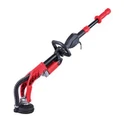
What is the maximum speed of a concrete grinder machine? This is a question that many customers and industry enthusiasts often ask. As a leading supplier of concrete grinder machines, I'm here to provide you with a comprehensive answer, exploring the factors that influence the maximum speed and how it impacts the overall performance of these powerful tools.
Understanding Concrete Grinder Machines
Before delving into the maximum speed, let's briefly understand what a concrete grinder machine is. Concrete grinder machines are essential tools in the construction and flooring industries. They are used to smooth, level, and polish concrete surfaces, removing imperfections, coatings, and adhesives. These machines come in various types and sizes, each designed for specific applications, from small - scale DIY projects to large - scale commercial construction sites.
There are different kinds of concrete grinder machines available on the market. For example, the Floor Grinding Machine is a versatile option suitable for general floor grinding tasks. It can be used on various types of floors, including warehouses, factories, and commercial buildings. The Edge Floor Grinder With Cup Wheel is specifically designed for grinding edges and corners, providing precise and efficient results in hard - to - reach areas. And the Garage Floor Grinding Machine is tailored for garage floors, helping to remove old paint, stains, and rough patches.
Factors Affecting the Maximum Speed of a Concrete Grinder Machine
1. Motor Power
The motor is the heart of a concrete grinder machine. A more powerful motor can generally drive the grinding discs at a higher speed. High - power motors can generate more torque, which is essential for maintaining a consistent speed, especially when dealing with tough concrete surfaces. For example, a 5 - horsepower motor may allow the grinder to reach a maximum speed of around 3000 RPM (revolutions per minute), while a 10 - horsepower motor could potentially drive the discs at speeds up to 4000 RPM or more. However, it's important to note that simply having a high - power motor doesn't guarantee a high - speed operation if other components are not properly matched.
2. Grinding Disc Size and Type
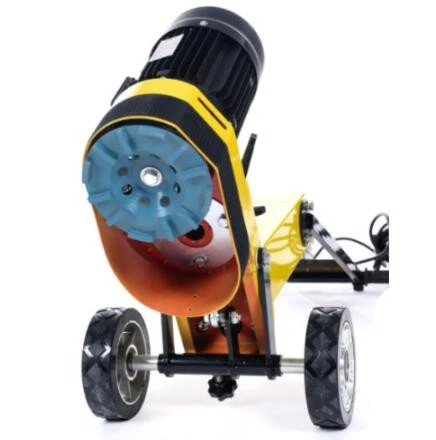
The size and type of the grinding disc also play a crucial role in determining the maximum speed. Smaller grinding discs can usually rotate at higher speeds compared to larger ones. This is because larger discs have a greater moment of inertia, which requires more energy to accelerate and maintain a high - speed rotation. Additionally, different types of grinding discs are designed for different speeds. For instance, diamond - impregnated discs are often used for high - speed grinding due to their durability and ability to withstand the heat generated at high speeds. Resin - bonded discs, on the other hand, may have a lower maximum speed limit as they are more prone to wear and damage at extremely high speeds.

3. Concrete Surface Hardness
The hardness of the concrete surface being ground is another significant factor. Softer concrete surfaces allow the grinder to operate at higher speeds because there is less resistance. When grinding a soft - cured concrete floor, the grinder can move more freely, and the discs can rotate at a relatively high speed without excessive strain. In contrast, hard - cured concrete, such as high - strength concrete used in industrial settings, requires the grinder to operate at a lower speed. This is to ensure that the grinding process is effective and to prevent damage to the grinding discs and the machine itself.
4. Machine Design and Build Quality
The overall design and build quality of the concrete grinder machine affect its maximum speed. A well - designed machine with a sturdy frame and high - quality bearings can better handle high - speed operation. The alignment of the grinding discs and the stability of the machine are also important. If the machine is not properly balanced, high - speed operation can cause excessive vibration, which not only reduces the efficiency of the grinding process but also increases the risk of machine failure.
Typical Maximum Speeds of Different Concrete Grinder Machines
Hand - Held Concrete Grinders
Hand - held concrete grinders are typically used for small - scale projects and touch - up work. These machines usually have a maximum speed ranging from 2000 to 3500 RPM. The lower speed is mainly due to the limitations of the user's ability to control the machine at high speeds and the relatively small motor size. Hand - held grinders are often used for light grinding tasks, such as removing small stains or smoothing rough edges.
Walk - Behind Concrete Grinders
Walk - behind concrete grinders are more powerful and are commonly used for larger - scale floor grinding projects. The maximum speed of walk - behind grinders can vary widely, from 1500 to 4000 RPM. Smaller walk - behind models with less powerful motors may have a maximum speed of around 1500 - 2500 RPM, while larger, industrial - grade walk - behind grinders can reach speeds up to 4000 RPM. These machines are designed to cover large areas quickly and efficiently, and the higher speed allows for faster material removal.
Ride - On Concrete Grinders
Ride - on concrete grinders are the most powerful and are used for very large - scale commercial and industrial projects. These machines can have a maximum speed of 2000 to 5000 RPM. The high - speed operation of ride - on grinders is made possible by their large and powerful motors, as well as their robust construction. They are capable of covering large floor areas in a short period, making them ideal for projects such as airport terminals, shopping malls, and large warehouses.
Importance of Maximum Speed in Concrete Grinding
Efficiency
The maximum speed of a concrete grinder machine directly affects the efficiency of the grinding process. A higher - speed grinder can cover more area in less time, reducing the overall project duration. This is especially important for large - scale commercial projects where time is of the essence. For example, in a large - scale warehouse floor grinding project, a high - speed ride - on grinder can complete the job in a fraction of the time it would take a lower - speed machine.
Quality of the Finish
The speed of the grinder also impacts the quality of the finish. Different speeds are suitable for different stages of the grinding process. For initial rough grinding, a higher speed can help to quickly remove large amounts of material. However, for the final polishing stage, a lower speed is often required to achieve a smooth and even finish. By adjusting the speed according to the specific requirements of the project, a better - quality finish can be obtained.
Considerations When Choosing a Concrete Grinder Machine Based on Speed
When selecting a concrete grinder machine, it's important to consider the maximum speed in relation to your specific project requirements. If you are working on a small - scale project with a soft concrete surface, a hand - held grinder with a moderate maximum speed may be sufficient. On the other hand, for large - scale industrial projects with hard concrete surfaces, a high - speed ride - on grinder would be a better choice.
It's also important to note that the maximum speed is not the only factor to consider. Other factors such as the power consumption, the cost of the machine, and the availability of replacement parts should also be taken into account.
Conclusion
In conclusion, the maximum speed of a concrete grinder machine is influenced by multiple factors, including motor power, grinding disc size and type, concrete surface hardness, and machine design. Different types of concrete grinder machines have different typical maximum speeds, and these speeds play a crucial role in the efficiency and quality of the grinding process.
As a supplier of concrete grinder machines, we understand the importance of providing our customers with the right machine for their specific needs. Whether you are a professional contractor or a DIY enthusiast, we can offer a wide range of concrete grinder machines with different maximum speeds to meet your requirements. If you have any questions about our products or need advice on choosing the right machine, please feel free to contact us for further discussion and potential purchase.
References
- Concrete Construction Handbook, McGraw - Hill Professional
- Industrial Flooring Technology: Principles and Practice, CRC Press