Hey there! As a supplier of Concrete Floor Sanders, I often get asked about the energy consumption of these machines. It's a crucial question, especially for those looking to manage their costs and environmental impact. So, let's dive right in and break down what affects the energy use of a concrete floor sander.
Understanding the Basics of Energy Consumption
First off, the energy consumption of a concrete floor sander mainly depends on its power rating. The power rating is usually measured in kilowatts (kW). A higher power rating generally means the machine can work more aggressively, but it also consumes more electricity. For instance, a small - scale sander might have a power rating of around 1 - 2 kW, while larger industrial models can go up to 10 kW or even more.
Think of it like your car. A high - performance sports car with a big engine will guzzle more gas compared to a small, fuel - efficient sedan. Similarly, a powerful concrete floor sander will use more energy than a less - powerful one.
Factors Affecting Energy Use
1. Machine Size and Type
There are different types of concrete floor sanders, such as single - disc sanders and multi - disc sanders. A Concrete Grinder Single Disc is usually smaller and less powerful than a multi - disc sander. Single - disc sanders are great for small jobs and tight spaces. They typically have lower power ratings, so their energy consumption is relatively low.
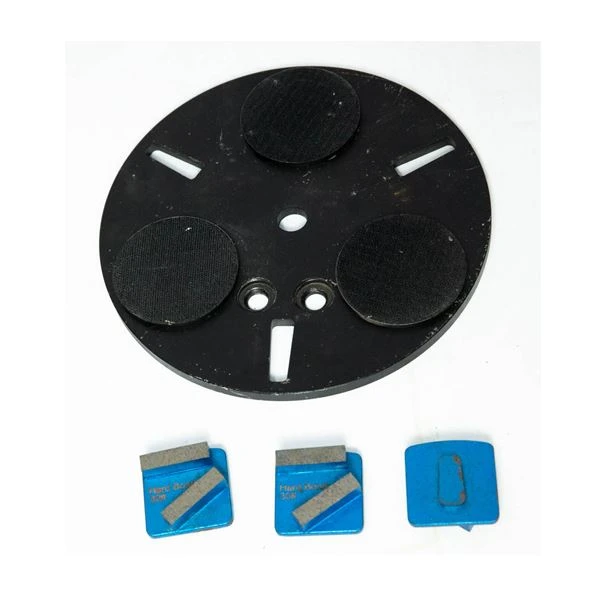
On the other hand, multi - disc sanders are designed for larger areas. They have multiple discs working simultaneously, which requires more power. These machines are often used in commercial projects where time is of the essence. The Terrazzo Machine Concrete Floor Grinder is an example of a more heavy - duty option that can handle large - scale concrete grinding and sanding, but it will consume more energy due to its size and power.

2. Workload and Material
The amount of work the sander has to do also plays a big role in energy consumption. If you're sanding a rough, uneven concrete surface, the sander will have to work harder. It will need to apply more pressure and use more power to remove the rough patches and smooth out the floor.
Similarly, the type of concrete can affect energy use. Some concrete mixtures are harder and denser than others. Sanding a hard - cured concrete floor will require more energy compared to a softer one. It's like trying to cut through a thick steak versus a thin slice of chicken. The thick steak will take more effort (and in this case, more energy).
3. Operational Settings
The settings on the sander can also impact energy consumption. For example, the speed at which the sander operates. Running the sander at a higher speed will generally use more energy. However, in some cases, a higher speed might be necessary to achieve the desired finish in a shorter time.
Some sanders also have adjustable pressure settings. Applying more pressure to the floor will increase the energy consumption as the motor has to work harder to maintain the sanding action.
Calculating Energy Consumption
To get an idea of how much energy a concrete floor sander uses, you can use a simple formula. Energy consumption (in kilowatt - hours, kWh) is calculated by multiplying the power rating of the machine (in kW) by the number of hours it runs.
Let's say you have a sander with a power rating of 3 kW and you run it for 5 hours. The energy consumption would be 3 kW x 5 hours = 15 kWh.
If your electricity provider charges you $0.15 per kWh, then the cost of running the sander for those 5 hours would be 15 kWh x $0.15/kWh = $2.25.
Energy - Saving Tips
1. Choose the Right Machine
Selecting the appropriate sander for the job is crucial. Don't use a large, high - power sander for a small job. Using a Concrete Grinding Equipment that is well - matched to the size and complexity of the project will help you save energy.
2. Optimize Operational Settings
Set the sander to the lowest speed and pressure that can still achieve the desired results. This way, you can reduce energy consumption without sacrificing the quality of the sanding.
3. Maintenance
Keep your sander well - maintained. A dirty or worn - out machine will have to work harder to perform the same task, which means more energy use. Regularly clean the filters, check the belts, and replace worn - out parts.
Why It Matters
Understanding the energy consumption of a concrete floor sander is important for several reasons. For businesses, it directly impacts the bottom line. High energy costs can eat into profits, especially for large - scale projects. By managing energy use, companies can save money and improve their competitiveness.
From an environmental perspective, reducing energy consumption helps to lower carbon emissions. As the world becomes more conscious of climate change, using energy - efficient equipment is a step in the right direction.
Conclusion
So, there you have it! The energy consumption of a concrete floor sander depends on various factors such as machine size, workload, and operational settings. By being aware of these factors and taking steps to optimize energy use, you can save money and reduce your environmental impact.
If you're in the market for a concrete floor sander and want to learn more about our products, their energy efficiency, and how they can meet your specific needs, feel free to reach out. We're here to help you make an informed decision and get the best value for your money.
References
- General knowledge of concrete floor sander technology and energy consumption principles.
- Industry reports on power ratings and energy use of different types of concrete floor sanders.