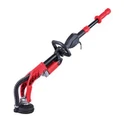
Hey there! As a supplier of Concrete Floor Grinders, I often get asked about the energy consumption of these machines. It's a crucial topic, especially for those looking to manage costs and operate in an energy - efficient way. So, let's dive right in and explore what goes into the energy consumption of a concrete floor grinder.
First off, we need to understand that the energy consumption of a concrete floor grinder isn't a one - size - fits - all kind of deal. It can vary based on several factors. One of the most significant factors is the power rating of the grinder. The power rating is usually measured in kilowatts (kW). A higher - power grinder will generally consume more energy than a lower - power one. For instance, a small, handheld concrete floor grinder might have a power rating of around 1 - 2 kW. On the other hand, larger, industrial - grade floor grinders can have power ratings that go up to 10 kW or even more.
Let's take a closer look at how these different power ratings translate into energy use. If you have a 2 kW grinder and you run it for an hour, it will consume 2 kilowatt - hours (kWh) of electricity. That's because energy consumption (in kWh) is calculated by multiplying the power rating (in kW) by the number of hours the machine is in operation. So, if you use a 2 kW grinder for 5 hours a day, it will use 10 kWh of electricity per day.
But it's not just about the power rating. The type of grinding operation also plays a big role. If you're doing light surface grinding, the grinder won't have to work as hard, and thus, it will consume less energy. However, if you're dealing with a very tough concrete surface, like an old, heavily - used industrial floor, the grinder will have to exert more force to grind the surface. This means it will draw more power and consume more energy.
Another factor that affects energy consumption is the speed at which the grinder operates. Most concrete floor grinders have adjustable speed settings. Running the grinder at a higher speed generally requires more energy. For example, if you set your grinder to its maximum speed to quickly finish a job, it will use more electricity compared to running it at a lower, more moderate speed.
Now, let's talk about the efficiency of the grinder itself. A well - designed and maintained grinder will be more energy - efficient. Modern grinders are often equipped with advanced motor technologies and control systems that help optimize energy use. For example, some grinders have sensors that can detect the load on the machine and adjust the power consumption accordingly. If the grinder senses that it's not working as hard, it will reduce the power draw to save energy.
As a supplier, I always recommend that customers consider the energy efficiency of the grinder when making a purchase. You can check the energy efficiency ratings of different models. Higher - efficiency grinders might cost a bit more upfront, but they can save you a significant amount of money on electricity bills in the long run.
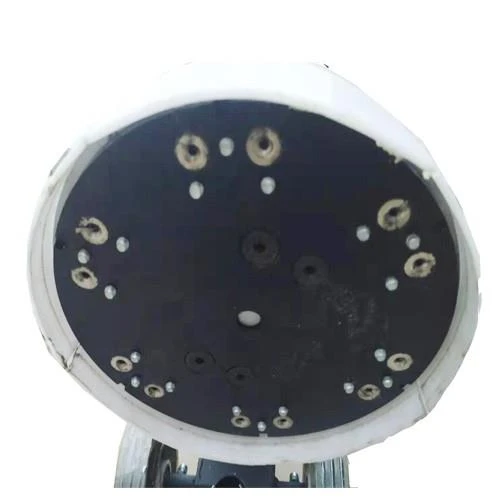
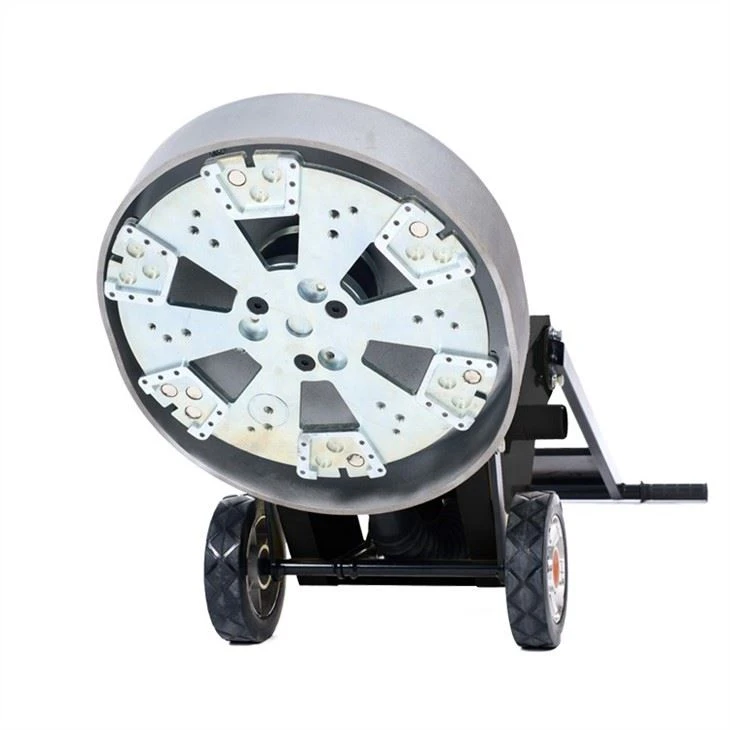
If you're in the market for a concrete floor grinder, you might want to check out some of our great products. We have a wide range of Grinding Machine For Floor that are designed to meet different needs and budgets. Our Grinding Concrete Floor Machine are known for their reliability and energy efficiency. And if you're looking for a high - quality Floor Grinding Machine, we've got you covered.
To give you a better idea of how energy consumption can impact your costs, let's do a quick cost analysis. Let's assume the cost of electricity is $0.15 per kWh. If you have a 5 kW grinder and you use it for 8 hours a day, 5 days a week, it will consume 200 kWh per week. At $0.15 per kWh, that's a weekly cost of $30. Over a year, that adds up to $1560. So, you can see how even a small difference in energy consumption can have a big impact on your bottom line.
In addition to the direct energy consumption of the grinder, you also need to consider the energy used by any associated equipment. For example, if you're using a dust collection system with your grinder, it will also consume electricity. Some dust collection systems are more energy - efficient than others, so it's important to choose one that complements your grinder and doesn't add too much to your overall energy costs.
Maintenance is also key to keeping energy consumption in check. A grinder with dull grinding discs will have to work harder to achieve the same results, which means it will use more energy. Regularly replacing worn - out discs and keeping the grinder well - lubricated can help ensure that it operates at peak efficiency and uses less energy.
So, in conclusion, the energy consumption of a concrete floor grinder depends on a variety of factors, including the power rating, the type of grinding operation, the speed of operation, the efficiency of the machine, and the associated equipment. By understanding these factors, you can make more informed decisions when choosing a grinder and operating it in an energy - efficient way.
If you're interested in learning more about our concrete floor grinders or have any questions about energy consumption, feel free to reach out. We're here to help you find the right grinder for your needs and ensure that you get the most out of your investment. Whether you're a small contractor or a large industrial facility, we've got the expertise and products to meet your requirements.
References
- General knowledge of electrical engineering principles regarding power and energy consumption.
- Industry knowledge about concrete floor grinder operation and design.