When it comes to concrete surface preparation and finishing, choosing the right grinder is crucial. As a supplier of Concrete Grinder Machine, I often encounter customers who are confused about the differences between handheld and walk-behind concrete grinder machines. In this blog post, I'll delve into the key distinctions between these two types of grinders to help you make an informed decision for your specific needs.
Design and Structure
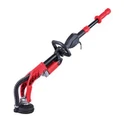
One of the most obvious differences between handheld and walk-behind concrete grinder machines lies in their design and structure. Handheld concrete grinders, as the name suggests, are compact and lightweight, designed to be held and operated by hand. They typically feature a small grinding head attached to a handle, allowing for easy maneuverability in tight spaces and corners. On the other hand, walk-behind concrete grinders are larger and more robust, featuring a motorized base with a grinding disc or drum that is driven by an engine or electric motor. These machines are designed to be pushed or pulled by the operator, providing greater stability and control over larger surface areas.


The compact design of handheld grinders makes them ideal for small-scale projects, such as repairing cracks, smoothing edges, or grinding small patches of concrete. They are also suitable for working in areas where space is limited, such as indoor floors, staircases, or around obstacles. In contrast, walk-behind grinders are better suited for large-scale projects, such as commercial floors, industrial warehouses, or outdoor pavements. Their larger grinding surface and higher power output allow for faster and more efficient grinding of large areas, reducing the overall time and effort required to complete the job.
Power and Performance
Another significant difference between handheld and walk-behind concrete grinder machines is their power and performance. Handheld grinders typically have a lower power output compared to walk-behind grinders, ranging from 1 to 5 horsepower. This limited power makes them suitable for light to medium-duty grinding tasks, such as removing paint, rust, or thin layers of concrete. They are also less aggressive in terms of grinding action, which helps to prevent damage to the concrete surface.
Walk-behind grinders, on the other hand, are equipped with more powerful motors, ranging from 5 to 20 horsepower or more. This increased power allows them to handle heavy-duty grinding tasks, such as removing thick layers of concrete, leveling uneven surfaces, or grinding hard aggregate. They also feature larger grinding discs or drums, which provide a wider grinding path and faster material removal rate. As a result, walk-behind grinders can significantly reduce the time and labor required to complete large-scale projects.
Mobility and Maneuverability
Mobility and maneuverability are important factors to consider when choosing between handheld and walk-behind concrete grinder machines. Handheld grinders are highly portable and easy to move around, making them ideal for jobs that require frequent repositioning or access to hard-to-reach areas. They can be easily carried up and down stairs, through doorways, or into tight spaces, allowing for greater flexibility in the workplace.
Walk-behind grinders, while less portable than handheld grinders, offer greater stability and control during operation. They are typically equipped with wheels or casters, which allow them to be easily moved across the concrete surface. Some walk-behind grinders also feature adjustable handles or steering mechanisms, which make it easier to navigate around obstacles and corners. However, their larger size and weight can make them more difficult to transport and maneuver in confined spaces.
Dust Collection
Dust collection is an important consideration when working with concrete grinders, as concrete dust can be harmful to your health if inhaled. Both handheld and walk-behind concrete grinder machines can be equipped with dust collection systems to minimize the amount of dust generated during operation. However, the effectiveness of these systems can vary depending on the type and size of the grinder.
Handheld grinders typically have smaller dust collection systems, which may not be as effective at capturing all of the dust generated during grinding. As a result, it is important to wear appropriate personal protective equipment, such as a dust mask or respirator, when using a handheld grinder. Walk-behind grinders, on the other hand, are often equipped with larger dust collection systems, which can capture a greater percentage of the dust generated during operation. Some walk-behind grinders also feature advanced dust collection technologies, such as HEPA filters, which can further reduce the amount of dust released into the air.
Cost
Cost is another important factor to consider when choosing between handheld and walk-behind concrete grinder machines. Handheld grinders are generally less expensive than walk-behind grinders, making them a more affordable option for small-scale projects or DIY enthusiasts. They also require less maintenance and upkeep, which can further reduce the overall cost of ownership.
Walk-behind grinders, on the other hand, are more expensive due to their larger size, higher power output, and advanced features. However, they offer greater productivity and efficiency, which can offset the higher initial cost over time. Additionally, walk-behind grinders are often more durable and reliable than handheld grinders, which can reduce the need for frequent repairs and replacements.
Conclusion
In conclusion, the choice between a handheld and a walk-behind concrete grinder machine depends on several factors, including the size and scope of the project, the type of concrete surface, the required level of performance, and the budget. Handheld grinders are ideal for small-scale projects, tight spaces, and light to medium-duty grinding tasks. They are portable, easy to use, and relatively inexpensive. Walk-behind grinders, on the other hand, are better suited for large-scale projects, heavy-duty grinding tasks, and commercial applications. They offer greater power, performance, and productivity, but are also more expensive and less portable.
As a supplier of Concrete Grinder Machine, I can help you choose the right grinder for your specific needs. Whether you're a contractor, a DIY enthusiast, or a commercial property owner, I have a wide range of handheld and walk-behind grinders to choose from. If you're interested in learning more about our products or would like to discuss your project requirements, please don't hesitate to contact me. I'm here to provide you with the information and support you need to make an informed decision.
References
- Concrete Construction Handbook. (n.d.). McGraw-Hill Professional.
- The Complete Guide to Concrete Grinding and Polishing. (n.d.). Bona.
- Concrete Surface Preparation: Best Practices. (n.d.). Norton Abrasives.