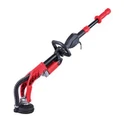
Hey there! As a supplier of Concrete Grinder Machines, I often get asked about the cutting depth of these machines. It's a crucial factor that can significantly impact the efficiency and effectiveness of your concrete grinding projects. So, let's dive right in and explore what the cutting depth of a concrete grinder machine really means.
First off, what is cutting depth? Well, in simple terms, it's the maximum thickness of concrete that a grinder can remove in a single pass. This measurement is usually given in millimeters or inches. The cutting depth can vary widely depending on several factors, including the type of grinder, the abrasive used, the power of the machine, and the hardness of the concrete.
Let's start with the type of grinder. There are different kinds of concrete grinders on the market, each with its own capabilities. For instance, a Concrete Floor Grinder is designed specifically for grinding large, flat surfaces like concrete floors. These machines typically have a relatively shallow cutting depth, usually ranging from 0.1 to 0.5 millimeters per pass. This is because they are mainly used for surface preparation, such as removing old coatings, smoothing rough surfaces, or leveling uneven floors.
On the other hand, if you're dealing with more heavy-duty jobs, like removing thick layers of concrete or grinding through extremely hard materials, you might need a more powerful grinder. A Terrazzo Tile Polishing Machine can be a great option for these types of tasks. These machines are often equipped with stronger motors and more aggressive abrasives, allowing them to achieve a greater cutting depth. They can typically remove between 0.5 and 2 millimeters of concrete per pass, depending on the specific model and the conditions of the job.
Another important factor that affects cutting depth is the abrasive used. Abrasives come in different grits and materials, each designed for specific applications. Coarser grits, such as 20 - 40 grit, are more aggressive and can remove concrete more quickly, resulting in a greater cutting depth. However, they also tend to leave a rougher surface finish. Finer grits, like 80 - 120 grit, are less aggressive and are used for finer grinding and polishing operations. They have a shallower cutting depth but can produce a smoother, more polished surface.
The power of the machine also plays a significant role. A more powerful grinder can provide more torque and force, allowing it to drive the abrasive into the concrete more effectively. Electric grinders, like the Electric Floor Grinder, are popular because they offer a good balance of power and portability. However, the cutting depth they can achieve will depend on the wattage of the motor. Generally, higher-wattage motors can handle more demanding jobs and achieve a greater cutting depth.
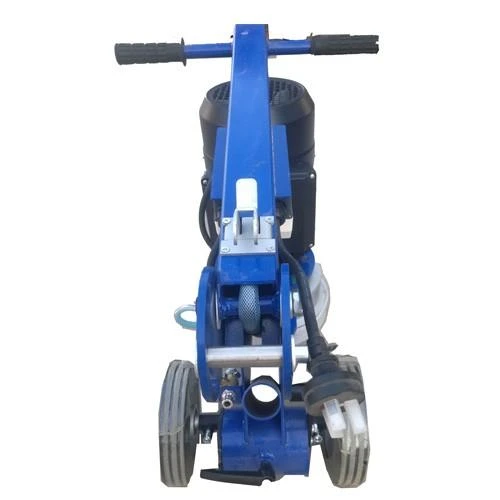

The hardness of the concrete is another variable that can't be ignored. Softer concrete is easier to grind and allows for a greater cutting depth. Harder concrete, on the other hand, requires more force and a more aggressive abrasive to achieve the same results. In some cases, you might need to make multiple passes with a grinder to remove a significant amount of hard concrete.
Now, why is the cutting depth so important? Well, it directly affects the efficiency of your project. If you're working on a large-scale project, a grinder with a greater cutting depth can save you a lot of time and effort. You'll be able to remove more concrete in fewer passes, which means you can complete the job faster. On the other hand, if you need a very precise finish, a grinder with a shallower cutting depth might be more appropriate. This allows you to have better control over the grinding process and achieve a smoother surface.
When choosing a concrete grinder, it's essential to consider your specific needs. If you're mainly doing surface preparation work, a grinder with a shallower cutting depth might be sufficient. But if you're faced with more challenging tasks, like removing thick layers of concrete or dealing with hard materials, you'll want a machine that can handle the job. That's where our range of concrete grinders comes in. We offer a variety of models to suit different applications and budgets. Whether you need a simple floor grinder for basic surface work or a powerful terrazzo tile polishing machine for heavy-duty grinding, we've got you covered.
If you're interested in learning more about our concrete grinder machines or have any questions about cutting depth or other aspects of concrete grinding, don't hesitate to reach out. We're here to help you find the right solution for your project. Whether you're a professional contractor or a DIY enthusiast, we can provide you with the expertise and support you need to get the job done right.
In conclusion, the cutting depth of a concrete grinder machine is a critical factor that can impact the success of your project. By understanding the factors that affect cutting depth and choosing the right grinder for your needs, you can ensure that you achieve the best results in the most efficient way possible. So, if you're in the market for a concrete grinder, take the time to consider your options and make an informed decision. And remember, we're here to assist you every step of the way.
References
- Concrete Grinding Handbook: A Comprehensive Guide to Concrete Surface Preparation and Finishing.
So, if you're looking to purchase a high - quality concrete grinder machine, feel free to contact us to start the procurement discussion. We're eager to assist you in finding the perfect machine for your specific requirements.