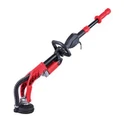
As a supplier in the concrete grinding industry, I've witnessed firsthand the transformative power of this process. Concrete grinding is a technique used to smooth, level, and polish concrete surfaces, offering a range of benefits from enhancing aesthetics to improving safety. Our Planetary Concrete Grinder Machine and Floor Grinding Machine are at the forefront of this technology, providing efficient and high - quality solutions for various concrete grinding needs. However, it's essential to be aware of the potential risks associated with concrete grinding. In this blog, I'll delve into these risks to ensure that both professionals and DIY enthusiasts approach the process with caution.
1. Respiratory Hazards
One of the most significant risks of concrete grinding is the generation of dust. Concrete dust contains crystalline silica, a naturally occurring mineral found in many types of rock, sand, and clay. When concrete is ground, the dust is released into the air, and if inhaled, it can cause serious health problems.
Silicosis is a chronic lung disease caused by long - term exposure to crystalline silica dust. It can lead to scarring of the lungs, which impairs lung function and can cause shortness of breath, coughing, and fatigue. In severe cases, silicosis can be fatal. Additionally, exposure to silica dust is also linked to other respiratory diseases such as lung cancer, chronic obstructive pulmonary disease (COPD), and tuberculosis.
To mitigate these risks, proper respiratory protection is crucial. Workers should wear N95 respirators or more advanced respirators that are specifically designed to filter out silica dust. Adequate ventilation is also essential. Using local exhaust ventilation systems at the point of dust generation can help capture and remove the dust before it spreads into the work area.
2. Noise Pollution
Concrete grinding machines can produce high levels of noise. Prolonged exposure to loud noise can cause permanent hearing loss, tinnitus (ringing in the ears), and other auditory problems. The noise level of a concrete grinder can range from 85 decibels (dB) to over 100 dB, depending on the type of machine and the grinding process.
To protect workers' hearing, hearing protection devices such as earplugs or earmuffs should be worn. Employers should also conduct regular noise assessments in the workplace to ensure that noise levels are within acceptable limits. In addition, using quieter grinding equipment and implementing noise - reducing measures such as acoustic enclosures around the grinding machines can help reduce the overall noise level in the work area.
3. Vibration - Related Injuries
Operating concrete grinding machines involves exposure to vibration. Prolonged exposure to hand - arm vibration can lead to a condition known as hand - arm vibration syndrome (HAVS). HAVS can cause damage to the blood vessels, nerves, and joints in the hands and arms. Symptoms of HAVS include numbness, tingling, pain, and reduced grip strength.
To prevent HAVS, workers should take regular breaks to reduce their exposure to vibration. Using anti - vibration gloves can also help absorb some of the vibration. Employers should select grinding equipment with low - vibration features and ensure that the machines are properly maintained to minimize vibration levels.


4. Electrical Hazards
Many concrete grinding machines are electrically powered. Electrical hazards can pose a significant risk, including electric shock, burns, and fires. Faulty electrical equipment, improper grounding, and wet working conditions can increase the likelihood of electrical accidents.
To prevent electrical hazards, workers should ensure that all electrical equipment is properly installed and maintained. Ground fault circuit interrupters (GFCIs) should be used to protect against electric shock. Workers should also avoid using electrical equipment in wet conditions and should keep the work area dry. Regular inspections of electrical cords and plugs should be conducted to check for any signs of damage.
5. Physical Injuries
Concrete grinding involves the use of sharp and rotating parts, which can cause physical injuries. Workers can be at risk of cuts, abrasions, and lacerations if they come into contact with the grinding discs or other moving parts of the machine. There is also a risk of being struck by flying debris, such as concrete chips or fragments, during the grinding process.
To prevent physical injuries, workers should wear appropriate personal protective equipment (PPE) such as safety glasses, gloves, and hard hats. Safety guards should be installed on the grinding machines to prevent accidental contact with the moving parts. Workers should also be trained on the proper operation of the equipment and should follow all safety procedures.
6. Chemical Exposure
In some cases, concrete grinding may involve the use of chemical products such as grinding aids, sealants, and adhesives. These chemicals can contain hazardous substances such as solvents, acids, and alkalis. Exposure to these chemicals can cause skin irritation, eye damage, and respiratory problems.
When using chemical products, workers should read and follow the safety data sheets (SDS) provided by the manufacturers. They should wear appropriate protective clothing, gloves, and eye protection. Adequate ventilation should be provided when working with chemicals to prevent the buildup of fumes.
7. Environmental Impact
Concrete grinding can have an environmental impact. The dust generated during the grinding process can contaminate the air and soil. If the dust contains heavy metals or other pollutants, it can pose a risk to the environment and human health. Additionally, the disposal of waste concrete and grinding debris also needs to be managed properly to avoid environmental pollution.
To minimize the environmental impact, dust control measures should be implemented to reduce the amount of dust released into the air. Waste concrete and debris should be collected and disposed of in accordance with local environmental regulations. Recycling of waste concrete can also be a sustainable option, as it can reduce the demand for new concrete production and minimize the amount of waste sent to landfills.
Conclusion
While concrete grinding offers many benefits, it is not without risks. As a Concrete Grinding supplier, we are committed to providing our customers with high - quality equipment and also ensuring that they are aware of the potential risks associated with concrete grinding. By understanding these risks and implementing appropriate safety measures, we can ensure that concrete grinding operations are carried out safely and responsibly.
If you are interested in our concrete grinding products or have any questions about the safety aspects of concrete grinding, we encourage you to contact us for a detailed discussion. Our team of experts is ready to assist you in choosing the right equipment and providing you with the necessary safety guidance.
References
- Occupational Safety and Health Administration (OSHA). "Silica - Crystalline." OSHA.gov.
- National Institute for Occupational Safety and Health (NIOSH). "Preventing Silicosis in Construction." NIOSH Publication No. 2018 - 115.
- World Health Organization (WHO). "Occupational Noise Exposure." WHO.int.
- International Labour Organization (ILO). "Occupational Safety and Health Guidelines on Vibration." ILO Publications.