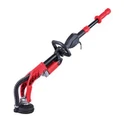
When it comes to concrete grinding, there are two main types of machines that are commonly used: walk - behind concrete grinders and ride - on concrete grinders. As a supplier of ride - on concrete grinders, I've had my fair share of experience with both types, and I'm here to break down the differences for you.
1. Mobility and Maneuverability
First off, let's talk about how easy they are to move around. Walk - behind concrete grinders are, well, exactly what they sound like. You've got to push them around on your own. They're relatively small and lightweight, which makes them super easy to maneuver in tight spaces. If you're working in a small room, around obstacles, or in areas with a lot of corners and edges, a walk - behind grinder is the way to go. You can easily navigate around pipes, columns, and other fixtures without much hassle.
On the flip side, ride - on concrete grinders are designed for larger, open areas. Since you're sitting on the machine, you can cover a lot more ground in less time. But they're not as nimble as walk - behinds. Turning in small spaces can be a bit of a challenge, and you've got to be more strategic about how you approach your work area. However, if you're dealing with a big warehouse floor, a large parking lot, or an expansive industrial space, the ability to quickly cover large distances with a ride - on grinder is a huge advantage.
2. Operator Fatigue
Another important factor to consider is how tired the operator is going to get. With a walk - behind concrete grinder, you're on your feet all day, pushing and guiding the machine. This can be extremely tiring, especially if you're working on a large project. Your back, arms, and legs are going to feel the strain, and after a long day, you might find yourself too exhausted to keep going.
Ride - on concrete grinders, on the other hand, are much more comfortable for the operator. You get to sit down while you work, which reduces a lot of the physical stress. You can work for longer periods without getting as tired, and that means you can be more productive over the course of a day. It's like the difference between walking a long distance and driving a car. The latter is definitely more relaxing and allows you to focus on the job at hand.
3. Grinding Efficiency
When it comes to getting the job done, efficiency is key. Walk - behind grinders typically have smaller grinding discs, which means they cover a smaller area with each pass. This can make the grinding process slower, especially on large surfaces. However, they can be more precise, allowing you to target specific areas that need extra attention.


Ride - on concrete grinders usually come with larger grinding heads and multiple discs. This means they can cover a much larger area in a single pass, significantly speeding up the grinding process. They're great for quickly removing large amounts of material, whether it's old coatings, adhesives, or rough concrete surfaces. For example, if you're trying to level a large, uneven floor, a ride - on grinder can do the job in a fraction of the time it would take with a walk - behind.
4. Dust Management
Dust is a major issue when it comes to concrete grinding. Walk - behind grinders often have smaller dust collection systems, which might not be as effective at capturing all the dust generated during the grinding process. This can lead to a dusty work environment, which is not only unpleasant for the operator but can also pose health risks.
Ride - on concrete grinders, especially the ones we supply, are equipped with advanced dust collection systems. These systems are designed to capture a high percentage of the dust, keeping the work area cleaner and safer. For example, our Dust Free Concrete Grinder uses state - of - the - art technology to minimize dust emissions, ensuring a healthier work environment for everyone involved.
5. Cost
Cost is always a consideration when choosing a concrete grinder. Walk - behind grinders are generally less expensive to purchase. They have a simpler design and fewer features, which keeps the price down. This makes them a popular choice for small contractors or DIYers on a budget.
Ride - on concrete grinders, however, are a more significant investment. They come with more advanced technology, larger components, and additional features, which all contribute to a higher price tag. But when you consider the increased productivity, reduced operator fatigue, and better dust management, the long - term benefits often outweigh the initial cost. If you're a professional contractor who takes on large projects regularly, a ride - on grinder can actually save you money in the long run by allowing you to complete jobs faster and more efficiently.
6. Maintenance
Maintenance is an important aspect of owning any piece of equipment. Walk - behind concrete grinders are relatively easy to maintain. They have fewer moving parts, and the components are generally more accessible. You can usually perform basic maintenance tasks like changing the grinding discs and lubricating the moving parts without too much trouble.
Ride - on concrete grinders are more complex machines, and as such, they require more maintenance. However, our team provides comprehensive support and maintenance guides to ensure that your ride - on grinder stays in top condition. We also offer a range of replacement parts to keep your machine running smoothly.
7. Applications
The applications of these two types of grinders also differ. Walk - behind grinders are great for small - scale projects such as residential floor renovations, small commercial spaces, or repair work. They're also ideal for tasks that require a high level of precision, like grinding around the edges of a terrazzo floor. Check out our Terrazzo Floor Grinder Machine for more information on specialized applications.
Ride - on concrete grinders are better suited for large - scale commercial and industrial projects. They're commonly used in warehouses, factories, airports, and other large facilities where quick and efficient grinding is essential. If you're dealing with a project that involves a lot of square footage, a ride - on grinder is the clear choice.
Making the Right Choice
So, which type of concrete grinder is right for you? It really depends on your specific needs. If you're working on small projects, have a limited budget, and need a machine that's easy to maneuver, a walk - behind grinder might be the best option. But if you're a professional contractor dealing with large - scale projects, and you're looking for increased productivity, reduced operator fatigue, and better dust management, a ride - on concrete grinder is definitely worth considering.
As a supplier of ride - on concrete grinders, I'm confident that our machines can meet your needs and help you get the job done efficiently and effectively. Whether you're in the market for a Gasoline Concrete Floor Grinder for outdoor projects or a dust - free model for indoor work, we've got you covered.
If you're interested in learning more about our ride - on concrete grinders or discussing your specific requirements, don't hesitate to reach out. We're here to help you make the right choice and ensure that you get the best value for your investment.
References
- Concrete Grinding Handbook: A Comprehensive Guide to Concrete Surface Preparation
- Industry Reports on Concrete Grinding Equipment Market Trends