Concrete grinding equipment is an essential tool in the construction and renovation industry, used for smoothing, leveling, and preparing concrete surfaces. However, like any machinery, it can encounter various problems that may disrupt work and reduce efficiency. As a leading supplier of concrete grinding equipment, I've encountered and resolved numerous issues over the years. In this blog post, I'll share some common problems with concrete grinding equipment and provide practical troubleshooting tips.
1. Motor Problems
The motor is the heart of the concrete grinding equipment, and issues with it can bring operations to a halt.
Overheating
One of the most common motor problems is overheating. This can be caused by several factors, including continuous operation for extended periods without breaks, blocked ventilation, or using the equipment under heavy loads.
Troubleshooting: First, check if the ventilation openings are blocked by dust or debris. Clean them thoroughly to ensure proper airflow. If the equipment has been running continuously, give it a break to cool down. Additionally, make sure you're using the equipment within its specified load capacity. Overloading the motor can cause it to overheat quickly.
Motor Failure to Start
If the motor fails to start, it could be due to a faulty power supply, a blown fuse, or a malfunctioning switch.
Troubleshooting: Check the power cord for any visible damage and ensure it's properly plugged into a working outlet. Test the outlet with another device to confirm it's supplying power. If the equipment has a fuse, check if it's blown and replace it if necessary. Inspect the start switch for any signs of damage or wear. If you're unsure, it's best to consult a professional electrician.
2. Grinding Wheel Issues
The grinding wheel is responsible for the actual grinding work, and problems with it can affect the quality of the finished surface.
Uneven Wear
Uneven wear of the grinding wheel can result in an unevenly ground surface. This can be caused by improper installation, unbalanced equipment, or using the wheel on uneven surfaces.
Troubleshooting: Check if the grinding wheel is properly installed and tightened. Make sure the equipment is balanced by using a leveling tool. If the surface you're grinding is uneven, try to level it as much as possible before starting the grinding process. You may also need to replace the worn - out grinding wheel with a new one.
Wheel Breakage
Wheel breakage can be dangerous and is often caused by using a wheel that's not suitable for the job, excessive pressure, or hitting hard objects during grinding.
Troubleshooting: Always use the correct type of grinding wheel for the specific application. Avoid applying too much pressure when grinding, as this can put excessive stress on the wheel. Be careful when grinding around hard objects such as metal inserts or rocks. If a wheel breaks, stop using the equipment immediately and replace the wheel with a new one.

3. Dust Collection Problems
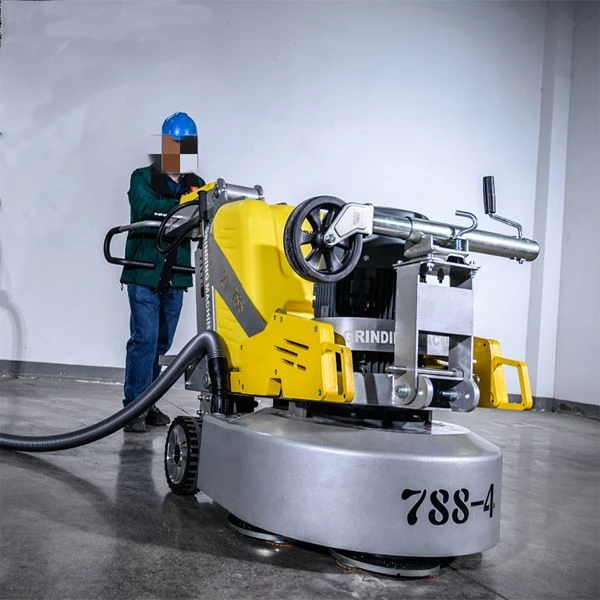
Dust collection is an important aspect of concrete grinding, as it helps keep the work environment clean and protects the operator's health.
Poor Dust Collection
If the dust collection system is not working effectively, it could be due to a clogged dust bag or filter, a damaged hose, or a malfunctioning vacuum motor.
Troubleshooting: Check the dust bag or filter and clean or replace it if it's clogged. Inspect the hose for any holes or blockages and repair or replace it as needed. If the vacuum motor is not running properly, refer to the motor troubleshooting section above.
4. Mobility and Stability Issues
Concrete grinding equipment needs to be mobile and stable during operation to ensure efficient and accurate grinding.
Difficulty in Movement
If the equipment is difficult to move, it could be due to worn - out wheels, a jammed wheel mechanism, or excessive friction between the equipment and the surface.
Troubleshooting: Inspect the wheels for wear and tear and replace them if necessary. Check the wheel mechanism for any jams or blockages and clear them. Lubricate the moving parts to reduce friction.
Lack of Stability
A lack of stability can cause the equipment to vibrate excessively and affect the quality of the grinding. This can be caused by uneven legs, a loose frame, or improper weight distribution.
Troubleshooting: Check the legs of the equipment and adjust them to ensure they're all on the same level. Tighten any loose bolts or nuts on the frame. Make sure the weight of the equipment is evenly distributed, especially when attaching additional accessories.
5. Noise and Vibration Problems
Excessive noise and vibration during operation can indicate underlying problems with the equipment.
Excessive Noise
Excessive noise can be caused by loose parts, worn - out bearings, or a misaligned motor.
Troubleshooting: Tighten any loose parts on the equipment. Inspect the bearings for wear and replace them if necessary. Check the alignment of the motor and adjust it if it's misaligned.
High Vibration
High vibration can be due to an unbalanced grinding wheel, loose components, or a damaged drive belt.
Troubleshooting: Balance the grinding wheel as described in the wheel issues section. Tighten all loose components. Inspect the drive belt for any signs of damage and replace it if needed.
Our Concrete Grinding Equipment Solutions
As a reliable concrete grinding equipment supplier, we offer a wide range of high - quality products to meet your needs. Our Self Propelled Concrete Grinder is designed for efficient and easy operation, reducing operator fatigue. The Floor Grinder With Vacuum ensures a clean working environment by effectively collecting dust during the grinding process. And our Edge Concrete Floor Grinder is perfect for grinding hard - to - reach edges and corners.
If you're experiencing any problems with your concrete grinding equipment or are looking to purchase new equipment, don't hesitate to contact us. Our team of experts is ready to assist you with troubleshooting, product selection, and after - sales support. We're committed to providing you with the best solutions for your concrete grinding needs.
References
- Construction Equipment Maintenance Handbook, various authors
- Concrete Grinding and Polishing Guide, industry publication