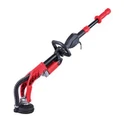
Transporting a concrete scarifier safely is a crucial task that requires careful planning and execution. As a concrete scarifier supplier, I understand the importance of ensuring that these powerful machines reach their destination in perfect condition. In this blog post, I will share some essential tips and guidelines on how to transport a concrete scarifier safely.

Pre - transport Preparation
Inspection
Before transporting the concrete scarifier, a thorough inspection is necessary. Check the overall condition of the machine, including the engine, cutting blades, hydraulic systems, and electrical components. Look for any signs of damage, loose parts, or leaks. Tighten any loose bolts or nuts, and repair or replace any damaged components. This pre - transport inspection helps prevent any potential issues during transit and ensures the machine is in good working order.
Cleaning
Clean the concrete scarifier to remove any dirt, debris, or concrete residue. A clean machine is not only more presentable but also easier to handle and inspect during loading and unloading. Use appropriate cleaning agents and tools to clean the exterior, cutting heads, and other parts of the machine. Pay special attention to areas where dirt can accumulate, such as around the blades and in the hydraulic lines.
Securing Loose Parts
Identify and secure any loose parts on the concrete scarifier. This may include removable attachments, tools, or spare parts. Use straps, ropes, or storage containers to keep these items in place. Loose parts can become projectiles during transportation, causing damage to the machine or posing a safety hazard.
Documentation
Gather all the necessary documentation related to the concrete scarifier. This includes the user manual, maintenance records, and any warranties. Having these documents on hand can be helpful in case of any issues during transit or upon arrival at the destination.
Choosing the Right Transport Method
Truck Transport
Truck transport is a common and practical option for transporting concrete scarifiers. When choosing a truck, consider the size and weight of the machine. Ensure that the truck has a suitable loading capacity and a flatbed or a trailer that can accommodate the dimensions of the scarifier. The flatbed should be clean, free of debris, and in good condition to prevent any damage to the machine during transit.
Trailer Type
If using a trailer, there are different types to choose from. A tilt - bed trailer can be a good option as it allows for easy loading and unloading of the concrete scarifier. The tilt mechanism enables the machine to be driven or pulled onto the trailer without the need for a ramp. However, make sure the trailer is properly secured to the truck and that the hitch is in good working condition.
Professional Haulers
For larger or more complex concrete scarifiers, it may be advisable to hire professional haulers. Professional transport companies have the experience, equipment, and expertise to handle the transportation of heavy machinery safely. They are familiar with the regulations and safety requirements for transporting such equipment and can ensure that the machine is transported without any issues.
Loading the Concrete Scarifier
Using a Ramp
If the trailer or truck does not have a tilt - bed, a ramp will be needed to load the concrete scarifier. Choose a ramp that is strong enough to support the weight of the machine and has a suitable length and width. Make sure the ramp is placed securely on the trailer or truck and that it is properly aligned. Slowly drive or pull the scarifier up the ramp, using caution to avoid any sudden movements.

Securing the Machine
Once the concrete scarifier is on the trailer or truck, it must be secured properly. Use heavy - duty straps or chains to secure the machine to the trailer. Place the straps or chains around the frame of the scarifier at multiple points to prevent it from shifting during transit. Make sure the straps are tightened evenly to ensure a stable load.
Balancing the Load
Proper load balancing is essential to ensure safe transportation. Position the concrete scarifier in the center of the trailer or truck bed to distribute the weight evenly. An unbalanced load can cause the vehicle to sway or become unstable, increasing the risk of an accident.
During Transportation
Route Planning
Plan the transportation route carefully. Avoid routes with low bridges, narrow roads, or other obstacles that may pose a problem for transporting the concrete scarifier. Check for any road closures, construction zones, or traffic restrictions along the way. Use GPS navigation or mapping tools to find the safest and most efficient route.
Speed and Driving Conditions
The driver should adhere to the speed limits and drive carefully. Concrete scarifiers are heavy machines, and sudden stops or sharp turns can cause the load to shift. Drive at a moderate speed, especially on rough roads or when going over bumps. Be aware of the weather conditions and adjust driving accordingly. For example, drive more slowly in wet or icy conditions.
Regular Checks
During long - distance transportation, it is important to make regular stops to check the condition of the concrete scarifier and the securing straps. Check for any signs of movement, damage, or loosening of the straps. If any issues are found, stop immediately and take appropriate action to secure the load.
Unloading the Concrete Scarifier
Reverse the Loading Process
Unloading the concrete scarifier is essentially the reverse of the loading process. If a ramp was used for loading, use it again for unloading. Make sure the ramp is placed securely and that the machine can be safely driven or pulled down.

Inspection After Unloading
Once the concrete scarifier is unloaded, conduct another inspection. Check for any damage that may have occurred during transportation. If any issues are found, document them and contact the transport company or relevant parties as soon as possible.
Conclusion
Transporting a concrete scarifier safely requires attention to detail and adherence to proper procedures. By following the steps outlined above, you can ensure that your Floor Scarifier Machine, Electric Road Scarifier Machine, or Concrete Milling Machine reaches its destination in excellent condition.
If you are in the market for a high - quality concrete scarifier or need more information on safe transportation and handling, feel free to contact us. Our team of experts is ready to assist you with all your concrete scarifier needs and help you make the right purchasing decision.
References
- Construction Equipment Handbook, various editions
- Safety Guidelines for Transporting Heavy Machinery, industry - specific safety manuals