Hey there! As a supplier of Concrete Floor Sanders, I've seen it all when it comes to transporting these heavy - duty machines. It's not just about loading them up and hitting the road; there are a bunch of things you need to consider to make sure the sander gets to its destination in one piece. So, let's dive into how to transport a concrete floor sander safely.
Pre - Transport Inspection
Before you even think about moving the sander, you've got to do a thorough inspection. Check for any loose parts, damaged cables, or signs of wear and tear. Tighten any loose bolts or screws. This is crucial because during transportation, vibrations can cause loose parts to fall off or cause further damage.
You also want to make sure the sander is clean. Remove any debris, dust, or concrete residue. Not only does this make the machine look better, but it also prevents any loose particles from getting into moving parts during transit.
Disassembly (If Necessary)
Some concrete floor sanders are quite large and bulky. In some cases, it might be a good idea to disassemble certain parts. For example, if the sander has a detachable handle or side guards, take them off. This not only makes the sander more compact but also reduces the risk of these parts getting damaged.
When disassembling, make sure to keep all the parts organized. Label the parts and keep the small screws and bolts in a bag. You don't want to lose them, or else you'll have a hard time putting the sander back together.
Protecting the Sander
Once the inspection and disassembly are done, it's time to protect the sander. Wrap the main body of the sander with a thick layer of bubble wrap. This acts as a cushion and absorbs any shocks during transportation. Pay special attention to the more delicate parts, like the motor and the control panel.
You can also use moving blankets to cover the sander. They are thick and can provide an extra layer of protection. Secure the bubble wrap and moving blankets with packing tape. This ensures that they stay in place during the journey.
Choosing the Right Transport Vehicle
The type of vehicle you use to transport the concrete floor sander is important. For smaller sanders, a pickup truck might be sufficient. However, for larger models, you might need a flatbed trailer or a box truck.
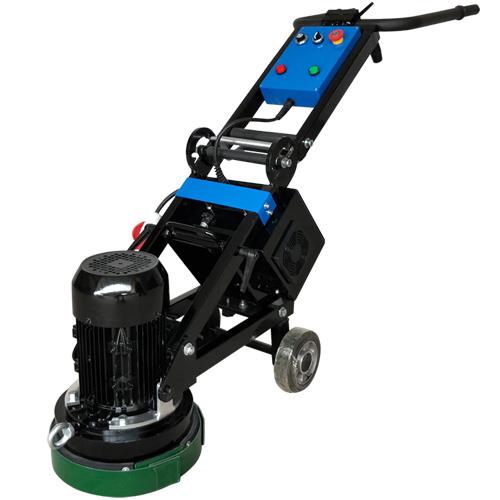

Make sure the vehicle has enough space to accommodate the sander comfortably. You don't want the sander to be cramped, as this can cause damage. Also, check the weight capacity of the vehicle. Concrete floor sanders can be heavy, and overloading the vehicle can be dangerous and cause damage to both the vehicle and the sander.
Loading the Sander
Loading the sander onto the vehicle requires some care. If possible, use a loading ramp. This makes it easier to get the sander onto the truck or trailer without straining your back.
When loading, make sure the sander is centered on the vehicle. This helps to distribute the weight evenly and prevents the vehicle from becoming unbalanced during transit. Use straps or chains to secure the sander to the vehicle. Make sure the straps are tight and won't come loose easily.
Securing the Sander
Securing the sander properly is crucial. Use ratchet straps or heavy - duty chains to tie down the sander. Attach the straps or chains to the anchor points on the vehicle. Make sure to tighten them enough so that the sander doesn't move around during transportation.
Check the tension of the straps or chains regularly, especially if you're going on a long journey. Vibrations can cause the straps to loosen over time.
During Transit
During the journey, drive carefully. Avoid sudden stops, starts, and sharp turns. These can cause the sander to shift and potentially get damaged.
If you're transporting the sander in an open - bed vehicle, cover it with a tarp. This protects the sander from the elements, like rain and dust. Make sure the tarp is secured tightly so that it doesn't blow off.
Unloading the Sander
When you reach your destination, it's time to unload the sander. Just like loading, use a loading ramp if possible. Take your time and be careful not to drop the sander.
Once the sander is unloaded, check it again for any signs of damage. If you disassembled any parts, put them back together following the instructions.
Why Choose Our Concrete Floor Sanders
We're a leading supplier of high - quality concrete floor sanders. Our Cement Floor Grinder is designed to handle tough jobs with ease. It's built to last and is very efficient in grinding cement floors.
If you need to work on the edges of the floor, our Edge Concrete Floor Grinder is the perfect choice. It's specifically designed to reach those hard - to - get - to areas.
And for those who want to not only grind but also polish the concrete floor, our Concrete Floor Grinder Polisher is a great option. It combines the functions of grinding and polishing in one machine.
If you're in the market for a concrete floor sander, we'd love to talk to you. Whether you're a contractor, a DIY enthusiast, or a business owner, we have the right sander for your needs. Contact us for more information and to start a purchase negotiation. We're here to help you get the best equipment at a great price.
References
- "Heavy Equipment Transportation Guide", Industry Publications
- "Concrete Floor Sander User Manuals"