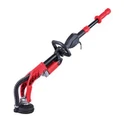
As a trusted floor grinder supplier, we understand the significance of keeping your floor grinder in optimal condition. One of the most common issues that users encounter is overheating, which can not only reduce the efficiency of the machine but also lead to premature wear and tear. In this blog post, we will delve into the causes of floor grinder overheating and provide you with practical tips on how to prevent it.
Understanding the Causes of Overheating
Before we discuss the prevention methods, it is essential to understand the root causes of overheating in floor grinders. Several factors can contribute to this problem, including:
1. Excessive Workload
When a floor grinder is used for extended periods without breaks or is subjected to heavy grinding tasks beyond its capacity, it can overheat. This is because the motor has to work harder to maintain the required speed and power, generating more heat in the process.
2. Poor Ventilation
Floor grinders rely on proper ventilation to dissipate heat. If the ventilation openings are blocked by dust, debris, or other obstructions, the heat cannot escape effectively, causing the temperature inside the machine to rise.
3. Worn-out Components
Over time, the components of a floor grinder, such as the motor, bearings, and brushes, can wear out. Worn-out parts can cause increased friction and resistance, leading to overheating.
4. Incorrect Grinding Discs
Using the wrong type of grinding discs for the specific floor surface or task can also cause overheating. For example, using a disc that is too hard or too soft for the floor material can result in excessive friction and heat generation.
5. Electrical Issues
Faulty electrical connections, loose wires, or a malfunctioning motor can cause the floor grinder to draw more current than normal, leading to overheating.
Preventive Measures
Now that we have identified the causes of overheating, let's explore some effective preventive measures to keep your floor grinder running cool and efficiently.
1. Follow the Manufacturer's Guidelines
The manufacturer's guidelines provide valuable information on the proper use, maintenance, and limitations of your floor grinder. Make sure to read and follow these instructions carefully to avoid overheating and other potential problems.
2. Take Regular Breaks
To prevent overheating, it is important to give your floor grinder regular breaks during extended use. This allows the motor and other components to cool down and reduces the risk of damage. As a general rule, take a 10-15 minute break every hour of continuous operation.
3. Keep the Grinder Clean
Regularly clean the floor grinder to remove dust, debris, and other contaminants that can block the ventilation openings. Use a soft brush or compressed air to clean the exterior and interior of the machine, paying special attention to the motor and ventilation areas.
4. Check and Replace Worn-out Components
Inspect the components of your floor grinder regularly for signs of wear and tear. Replace any worn-out parts, such as the motor, bearings, and brushes, as soon as possible to prevent overheating and other problems.
5. Use the Correct Grinding Discs
Select the appropriate grinding discs for the specific floor surface and task. Using the right discs can reduce friction and heat generation, improving the efficiency and performance of your floor grinder. You can find a wide range of high-quality grinding discs for different applications on our website, including Concrete Edge Grinder, Grinding Cement Floor Machine, and Planetary Floor Machine.
6. Ensure Proper Electrical Connections
Check the electrical connections of your floor grinder regularly to ensure they are tight and secure. Loose or faulty connections can cause increased resistance and heat generation, leading to overheating. If you notice any signs of electrical problems, such as sparks or a burning smell, stop using the machine immediately and have it inspected by a qualified electrician.
7. Monitor the Temperature
Some floor grinders are equipped with temperature sensors or indicators that can help you monitor the temperature of the machine. If your grinder has this feature, pay attention to the temperature readings and take appropriate action if the temperature starts to rise too high.
8. Provide Adequate Ventilation
Make sure that the area where you are using the floor grinder is well-ventilated. This allows the heat to dissipate more effectively and reduces the risk of overheating. If possible, use the grinder in an open area or near a fan to improve air circulation.
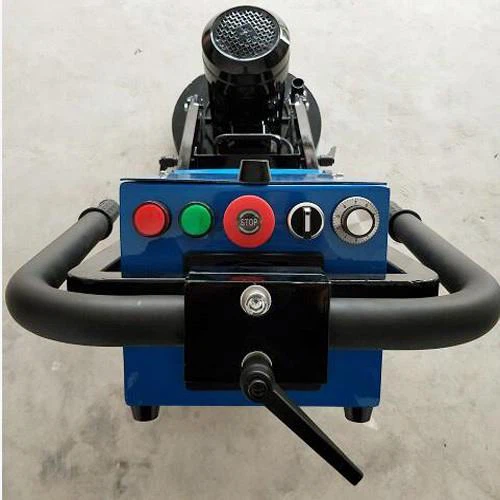

Conclusion
Preventing your floor grinder from overheating is crucial for maintaining its performance, efficiency, and longevity. By following the preventive measures outlined in this blog post, you can reduce the risk of overheating and ensure that your floor grinder operates smoothly and safely.
If you have any questions or need further assistance with your floor grinder, please do not hesitate to contact us. As a leading floor grinder supplier, we are committed to providing our customers with high-quality products and excellent customer service. We offer a wide range of floor grinders and accessories to meet your specific needs and requirements. Whether you are a professional contractor or a DIY enthusiast, we have the right solution for you.
Contact us today to discuss your floor grinding needs and explore our product range. We look forward to helping you find the perfect floor grinder for your project.
References
- "Maintenance and Troubleshooting Guide for Floor Grinders." Manufacturer's Manual.
- "Best Practices for Using Floor Grinders." Industry Publication.