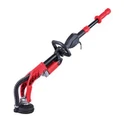
As a seasoned supplier of floor grinders, I've witnessed firsthand the critical importance of accurately measuring the performance of these machines. Whether you're a professional contractor looking to optimize your workflow or a facility manager aiming to maintain a pristine floor surface, understanding how to evaluate a floor grinder's performance is essential. In this blog post, I'll share some key metrics and methods that can help you assess the efficiency and effectiveness of a floor grinder.
Cutting and Grinding Efficiency
One of the primary functions of a floor grinder is to remove coatings, adhesives, and surface imperfections from concrete floors. To measure the cutting and grinding efficiency of a floor grinder, you can look at several factors:
Material Removal Rate
The material removal rate is a crucial metric that indicates how quickly a floor grinder can remove a specific type of material from the floor surface. It is typically measured in square feet per hour (sq. ft./hr) or square meters per hour (m²/hr). To calculate the material removal rate, you need to measure the area of the floor that has been ground and divide it by the time taken to complete the grinding process.
For example, if a floor grinder covers an area of 500 square feet in 2 hours, the material removal rate would be 250 sq. ft./hr. A higher material removal rate generally indicates a more efficient floor grinder, but it's important to note that other factors such as the type of material being removed, the grit of the grinding discs, and the pressure applied to the machine can also affect this metric.
Surface Finish
The surface finish is another important aspect of cutting and grinding efficiency. A good floor grinder should be able to achieve a smooth and uniform surface finish without leaving any visible scratches or unevenness. To evaluate the surface finish, you can use a profilometer, which measures the roughness of the floor surface. A lower roughness value indicates a smoother surface finish.
In addition to using a profilometer, you can also visually inspect the floor surface to check for any signs of uneven grinding or scratching. A high-quality floor grinder should be able to produce a consistent surface finish across the entire grinding area.
Power and Energy Consumption
The power and energy consumption of a floor grinder are important considerations, especially if you're using the machine for extended periods or in a commercial setting. A more powerful floor grinder may be able to achieve a higher material removal rate, but it will also consume more energy.
Motor Power
The motor power of a floor grinder is typically measured in horsepower (HP) or kilowatts (kW). A higher motor power generally indicates a more powerful floor grinder, but it's important to choose a machine with the appropriate power for your specific application. If you're working on a small area or removing a thin layer of material, a lower-powered floor grinder may be sufficient. On the other hand, if you're working on a large area or removing a thick layer of material, a higher-powered machine may be necessary.
Energy Efficiency
Energy efficiency is an important factor to consider when choosing a floor grinder. A more energy-efficient machine will consume less electricity, which can save you money on your energy bills in the long run. To measure the energy efficiency of a floor grinder, you can look at the machine's power consumption rating, which is typically expressed in watts (W) or kilowatt-hours (kWh).
Some floor grinders are designed with energy-saving features such as variable speed control and automatic shut-off functions, which can help reduce energy consumption. When comparing different floor grinders, it's a good idea to look for machines with a high energy efficiency rating.
Dust Collection
Dust collection is an important aspect of floor grinding, as it helps to maintain a clean and safe working environment. A good floor grinder should be equipped with an effective dust collection system that can capture and contain the dust generated during the grinding process.
Dust Collection Efficiency
The dust collection efficiency of a floor grinder is typically measured as a percentage. A higher dust collection efficiency indicates that the machine is able to capture a larger percentage of the dust generated during the grinding process. To measure the dust collection efficiency, you can use a dust meter, which measures the concentration of dust in the air.
In addition to using a dust meter, you can also visually inspect the dust collection system to check for any signs of leakage or blockage. A high-quality floor grinder should be able to maintain a low dust concentration in the air, which can help protect the health of the operator and other workers in the area.
Dust Collection Capacity
The dust collection capacity of a floor grinder refers to the amount of dust that the machine's dust collection system can hold before it needs to be emptied. A larger dust collection capacity can be beneficial if you're working on a large area or for an extended period of time, as it reduces the frequency of emptying the dust collection system.
When choosing a floor grinder, it's important to consider the dust collection capacity of the machine's dust collection system. Some floor grinders are equipped with large dust collection bags or containers, while others use a cyclone dust collection system that can separate the dust from the air and collect it in a separate container.
Noise Level
The noise level of a floor grinder is another important consideration, especially if you're working in a residential or commercial area. A loud floor grinder can be a nuisance to the operator and other workers in the area, and it may also violate local noise regulations.
Noise Rating
The noise level of a floor grinder is typically measured in decibels (dB). A lower noise rating indicates a quieter floor grinder. To measure the noise level of a floor grinder, you can use a sound level meter, which measures the intensity of sound in the air.
When choosing a floor grinder, it's a good idea to look for machines with a low noise rating. Some floor grinders are designed with noise-reducing features such as insulated motors and sound-dampening materials, which can help reduce the noise level of the machine.
Conclusion
Measuring the performance of a floor grinder is essential for ensuring that you're using the right machine for the job and achieving the best possible results. By considering factors such as cutting and grinding efficiency, power and energy consumption, dust collection, and noise level, you can evaluate the performance of a floor grinder and choose the machine that best meets your needs.
If you're in the market for a high-quality floor grinder, I encourage you to check out our Grinder Floor Machine and Floor Grinding Machine options. Our machines are designed to provide superior performance, reliability, and durability, and we offer a wide range of models to suit different applications and budgets.
If you have any questions or would like to discuss your specific requirements, please don't hesitate to contact us. We're here to help you find the perfect floor grinder for your needs and provide you with the support and service you deserve.


References
- Concrete Grinding and Polishing Handbook
- Floor Maintenance and Restoration Guide
- Occupational Safety and Health Administration (OSHA) Standards for Dust Control in Construction