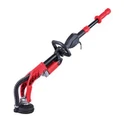
Measuring the performance of a concrete grinding tool is crucial for both professionals in the construction and flooring industries and for us as a Concrete Grinding Tools supplier. It helps in ensuring that the tools meet the high - standards required for efficient and effective concrete grinding operations. In this blog, we'll explore various ways to measure the performance of these tools, providing insights that can guide both users and suppliers in making informed decisions.
1. Cutting Efficiency
Cutting efficiency is one of the most fundamental aspects of a concrete grinding tool's performance. It refers to how quickly and effectively the tool can remove material from the concrete surface.
Material Removal Rate
The material removal rate (MRR) is a key metric for evaluating cutting efficiency. It is calculated by measuring the volume of concrete removed over a specific period. For instance, if a grinding tool can remove 10 cubic centimeters of concrete in one minute, its MRR is 10 cm³/min. To measure MRR accurately, you need to mark a specific area on the concrete surface before grinding. After a set time, measure the depth of the removed layer using a depth gauge. Multiply the area by the average depth to get the volume of the removed material.
As a supplier, we test our 9 Inch Dry Grinding Pad For Concrete for MRR in a controlled laboratory environment. We use standardized concrete samples with consistent hardness and composition. This allows us to provide accurate performance data to our customers, helping them choose the right tool for their projects.
Cutting Speed
Cutting speed is related to MRR but focuses more on the rate at which the tool progresses across the concrete surface. A higher cutting speed means the tool can cover more area in less time. To measure cutting speed, you can use a stopwatch to time how long it takes for the tool to grind a known length of a straight line on the concrete. Divide the length by the time taken to get the cutting speed in meters per minute or feet per minute.
2. Surface Finish
The quality of the surface finish after grinding is another important performance indicator. A good concrete grinding tool should leave a smooth, even surface with minimal scratches or unevenness.
Roughness Measurement
Surface roughness can be measured using a profilometer. This device measures the height variations on the concrete surface. A lower roughness value indicates a smoother surface. We, as a supplier, understand that different applications require different levels of surface finish. For example, a warehouse floor may require a relatively rough finish for better traction, while a polished showroom floor needs an extremely smooth surface. Our Concrete Floor Grinding and Polishing Tools are designed to achieve a wide range of surface finishes, and we test them using profilometers to ensure they meet the desired roughness standards.
Flatness
Flatness is also crucial, especially for large - scale concrete floors. A non - flat surface can cause problems such as uneven wear on machinery or tripping hazards. To measure flatness, you can use a straightedge and a feeler gauge. Place the straightedge on the concrete surface and measure the gap between the straightedge and the surface using the feeler gauge at multiple points. The maximum gap value gives an indication of the surface flatness.
3. Tool Life
Tool life is an important consideration for both cost - effectiveness and productivity. A longer - lasting tool means less frequent tool changes, reducing downtime and overall project costs.
Abrasive Wear
The abrasive wear of a concrete grinding tool is a major factor affecting its tool life. Abrasive wear occurs when the abrasive particles on the tool's surface are worn down during the grinding process. To measure abrasive wear, you can weigh the tool before and after a grinding operation. The difference in weight indicates the amount of abrasive material that has been worn away.
We test our Polished Concrete Floor Diamond Pads for abrasive wear in our in - house testing facilities. We subject the pads to continuous grinding on different types of concrete surfaces for a set number of hours. By monitoring the weight loss and the change in performance over time, we can accurately predict the tool life of our products.
Bond Integrity
The bond that holds the abrasive particles to the tool's substrate also plays a crucial role in tool life. A weak bond can cause the abrasive particles to fall off prematurely, reducing the tool's effectiveness. To check the bond integrity, you can visually inspect the tool after grinding. Look for signs of loose abrasive particles or delamination of the bond. In more advanced testing, techniques such as ultrasonic testing can be used to detect internal flaws in the bond.
4. Energy Consumption
Energy consumption is an important performance aspect from an economic and environmental perspective. A more energy - efficient concrete grinding tool can reduce operating costs and carbon footprint.
Power Draw
To measure the energy consumption of a grinding tool, you can use a power meter. This device measures the electrical power drawn by the grinding machine during operation. By comparing the power draw of different tools under the same grinding conditions, you can determine which tool is more energy - efficient.
As a supplier, we understand the importance of energy efficiency. We conduct power draw tests on our products to optimize their design and ensure that they offer the best balance between performance and energy consumption.


5. Noise and Vibration
Noise and vibration levels can have a significant impact on the operator's comfort and safety. Excessive noise can cause hearing damage, while high vibration levels can lead to hand - arm vibration syndrome.
Noise Measurement
Noise levels can be measured using a sound level meter. Place the meter at a fixed distance from the grinding tool during operation and record the noise level in decibels (dB). A good concrete grinding tool should operate at a relatively low noise level.
Vibration Measurement
Vibration levels can be measured using a vibration meter. This device measures the amplitude and frequency of the vibrations generated by the tool. By keeping the vibration levels within acceptable limits, we can ensure that our tools are safe and comfortable to use.
In conclusion, measuring the performance of a concrete grinding tool involves multiple aspects, including cutting efficiency, surface finish, tool life, energy consumption, and noise and vibration levels. As a Concrete Grinding Tools supplier, we are committed to providing high - quality products that meet or exceed industry standards. We conduct rigorous testing on all our products to ensure they deliver optimal performance.
If you are in the market for concrete grinding tools and want to discuss your specific requirements, we invite you to reach out to us for a detailed consultation. We are here to help you find the best tools for your projects and provide you with the support you need.
References
- ASTM International. (20XX). Standard test methods for measuring the performance of concrete grinding tools.
- Concrete Construction Handbook. (20XX). McGraw - Hill.
- Grinding and Polishing Technology Journal. (20XX). Articles on performance evaluation of concrete grinding tools.