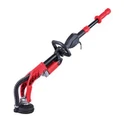
Estimating the cost of using a diamond floor grinder in a project can be a bit tricky, but it's super important for budgeting and making sure your project stays on track. As a diamond floor grinder supplier, I've seen all sorts of projects, from small DIY jobs to large commercial undertakings. In this blog, I'll share some tips on how to figure out the costs involved.
1. Machine Purchase or Rental Costs
The first thing you need to consider is whether you're going to buy or rent the diamond floor grinder. Buying a grinder gives you long - term access, but it's a significant upfront cost. On the other hand, renting is more cost - effective for short - term projects.
If you're in the market for a grinder, we have a great range of options. For example, our Concrete Floor Grinder Ride On is perfect for large commercial floors. It's powerful and can cover a lot of ground quickly. But it comes with a relatively high price tag.
If you're working on a smaller project, like a home garage or a small workshop, our Concrete Floor Grinder 110v might be a better fit. It's more affordable and easy to handle.
Rental costs can vary depending on the type of grinder, the rental period, and the location. Usually, rental companies charge on a daily, weekly, or monthly basis. You'll need to factor in delivery and pickup fees as well. Some rental places might also require a security deposit, which you'll get back if the grinder is returned in good condition.
2. Diamond Grinding Discs
Diamond grinding discs are a crucial part of the diamond floor grinder. They're what actually do the grinding work, and they wear out over time. The cost of diamond grinding discs depends on their quality, size, and the type of material they're designed to grind.
Higher - quality discs last longer and provide a better finish, but they're more expensive. You'll also need to consider the number of discs you'll need for your project. For a small project, you might only need a few discs, but for a large commercial project, you could go through dozens.
When estimating the cost of diamond grinding discs, think about the surface area you need to grind and the condition of the floor. A rough or uneven floor will wear out the discs faster than a smooth one. You can usually get a good estimate from the grinder manufacturer or the disc supplier based on the details of your project.
3. Labor Costs
If you're not doing the grinding work yourself, you'll need to hire labor. Labor costs can vary widely depending on your location, the experience of the workers, and the complexity of the project.
Professional floor grinders usually charge by the square foot or by the hour. In some areas, you might find workers who are more affordable, but in big cities or areas with a high cost of living, labor can be quite expensive.
When hiring labor, make sure to get multiple quotes. Ask for references and check their previous work. A good worker will not only get the job done faster but also do it more efficiently, which can save you money in the long run.
4. Power Consumption
Diamond floor grinders use a significant amount of electricity. The power consumption depends on the size and power of the grinder. Larger grinders with more powerful motors will use more electricity than smaller ones.
To estimate the power cost, you need to know the wattage of the grinder and the cost of electricity in your area. You can usually find the wattage information in the grinder's manual. Multiply the wattage by the number of hours you'll be using the grinder each day, and then multiply that by the cost per kilowatt - hour (kWh) of electricity.
For example, if your grinder has a wattage of 3000 watts (or 3 kilowatts) and you use it for 5 hours a day, and the cost of electricity is $0.15 per kWh, your daily power cost would be 3 x 5 x 0.15 = $2.25. Over the course of a week, that's $15.75.


5. Maintenance and Repairs
Like any piece of equipment, diamond floor grinders need regular maintenance. This includes things like cleaning, lubricating, and checking for loose parts. You'll also need to replace worn - out parts from time to time, such as belts, bearings, and switches.
The cost of maintenance and repairs can vary depending on the type of grinder and how often you use it. Some grinders are more reliable and require less maintenance, while others might need more attention.
It's a good idea to set aside a budget for maintenance and repairs. You can also look into extended warranties or service contracts offered by the grinder manufacturer or the supplier. This can give you some peace of mind and help you avoid unexpected costs.
6. Disposal and Clean - up Costs
After you're done grinding the floor, you'll need to clean up the dust and debris. There might also be some waste material that needs to be disposed of properly.
The cost of clean - up can include things like vacuuming, sweeping, and disposing of the waste. If you're working on a large commercial project, you might need to hire a professional cleaning service.
The cost of waste disposal depends on the type and amount of waste. Some types of waste, such as concrete dust, might need to be disposed of in a special way to comply with environmental regulations.
Putting It All Together
To estimate the total cost of using a diamond floor grinder in your project, you need to add up all the costs we've discussed above: machine purchase or rental, diamond grinding discs, labor, power consumption, maintenance and repairs, and disposal and clean - up.
Make a detailed list of each cost category and do your research to get accurate estimates. You can also use online calculators or consult with industry experts to help you with the calculations.
Once you have a good estimate of the total cost, you can compare it with your budget. If the cost is higher than you expected, you might need to look for ways to cut costs. Maybe you can rent a smaller grinder, use lower - cost diamond discs, or do some of the work yourself.
As a diamond floor grinder supplier, I'm here to help you make the best decisions for your project. If you have any questions about our products or need more information on cost estimation, feel free to reach out. We can provide you with detailed quotes and advice based on your specific needs. Whether you're a DIY enthusiast or a professional contractor, we're committed to helping you get the job done right at a reasonable cost. So, don't hesitate to contact us for a purchase or to discuss your project further.
References
- Industry knowledge and experience as a diamond floor grinder supplier.
- Conversations with professional floor grinders and contractors.
- Information provided by grinder and disc manufacturers.