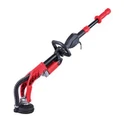
How to Control the Pressure When Using a Diamond Floor Grinder
As a supplier of diamond floor grinders, I've witnessed firsthand the challenges and questions that customers face when it comes to operating these powerful machines. One of the most crucial aspects of using a diamond floor grinder effectively and safely is controlling the pressure applied during the grinding process. In this blog, I'll share some insights and practical tips on how to manage pressure while using a diamond floor grinder.
Understanding the Importance of Pressure Control
Before delving into the techniques of pressure control, it's essential to understand why it matters. The pressure applied to a diamond floor grinder directly affects the grinding performance, the lifespan of the grinding discs, and the quality of the finished floor.
-
Grinding Performance: Appropriate pressure ensures that the diamond abrasives on the grinding discs make proper contact with the floor surface. Too little pressure may result in insufficient material removal, leading to longer grinding times and uneven results. On the other hand, excessive pressure can cause the diamond abrasives to wear out quickly or even damage the floor surface, such as creating deep scratches or uneven grinding marks.
-
Disc Lifespan: Maintaining the right pressure helps to extend the lifespan of the diamond grinding discs. When the pressure is balanced, the abrasives wear evenly, allowing the discs to be used for a longer period. Over - applying pressure can cause premature wear of the diamonds, forcing you to replace the discs more frequently, which can be costly.
-
Floor Quality: Consistent pressure is key to achieving a high - quality finished floor. Whether you're grinding a concrete floor for polishing or preparing it for coating, uniform pressure ensures a smooth, level surface. Inconsistent pressure can lead to an uneven floor finish, which may require additional work to correct.
Factors Affecting Pressure Control
Several factors influence the amount of pressure that should be applied when using a diamond floor grinder.
-
Floor Material: Different floor materials, such as concrete, terrazzo, or stone, have varying hardness levels. Harder materials generally require more pressure to achieve effective grinding, while softer materials need less pressure to avoid damage. For example, a Cement Floor Grinder may need more pressure when working on a thick, dense concrete slab compared to a thinner or more porous concrete surface.
-
Grinding Disc Grit: The grit size of the diamond grinding discs also plays a role in pressure control. Coarser grits are designed for heavy material removal and can typically withstand more pressure. As you progress to finer grits, which are used for polishing, less pressure is required to prevent over - grinding and achieve a smooth finish.
-
Machine Type and Power: The type and power of the diamond floor grinder can affect how much pressure you need to apply. Larger, more powerful machines may generate enough downward force on their own, while smaller, handheld grinders may require more manual pressure from the operator.
Techniques for Controlling Pressure
-
Start with a Light Touch: When beginning the grinding process, start with a light pressure. This allows you to assess the floor surface and the grinding performance without causing any damage. As you move the grinder across the floor, gradually increase the pressure as needed based on the material removal rate and the condition of the floor.
-
Use Body Weight Wisely: For handheld or walk - behind diamond floor grinders, your body weight can be used to apply pressure. Stand evenly on the machine and distribute your weight across the grinder. Avoid leaning too far forward or backward, as this can cause uneven pressure on the grinding discs.


-
Follow a Consistent Pattern: To ensure uniform pressure, follow a consistent grinding pattern. This could be in straight lines, overlapping passes, or a circular motion, depending on the size and shape of the area being ground. Overlapping the passes helps to even out the pressure and ensures that the entire floor surface is treated evenly.
-
Adjust Pressure Based on Feedback: Pay close attention to the feedback from the machine and the floor surface. If the grinder is vibrating excessively, it may be a sign of too much pressure. If the material removal is slow, you may need to increase the pressure slightly. Listen to the sound of the grinder and observe the dust and debris being produced. A smooth, consistent sound and a steady flow of dust indicate that the pressure is appropriate.
Using the Right Equipment for Pressure Control
In addition to the techniques mentioned above, using the right equipment can also help with pressure control.
-
Pressure - Sensitive Grinders: Some modern diamond floor grinders are equipped with pressure - sensitive features. These machines can automatically adjust the pressure based on the resistance they encounter on the floor surface. This technology helps to maintain a consistent pressure throughout the grinding process, reducing the risk of operator error.
-
Grinding Disc Accessories: There are also accessories available for diamond grinding discs that can assist with pressure control. For example, some discs come with shock - absorbing pads that help to distribute the pressure more evenly and reduce the impact on the floor surface.
Training and Experience
Finally, it's important to note that controlling pressure when using a diamond floor grinder takes practice and experience. If you're new to using these machines, it's advisable to receive training from a professional or an experienced operator. Training can help you understand the nuances of pressure control, as well as other important aspects of operating the grinder safely and effectively.
Conclusion
Controlling the pressure when using a diamond floor grinder is a critical skill that can significantly impact the quality of your work, the lifespan of your equipment, and the overall cost - effectiveness of your project. By understanding the factors that affect pressure, using the right techniques, and investing in the appropriate equipment, you can achieve optimal results.
If you're in the market for a high - quality diamond floor grinder or need more information on pressure control and other operating techniques, we're here to help. Our team of experts can provide you with detailed advice and guidance to ensure that you make the most of your equipment. Whether you're interested in a Floor Polishing Machine, a Floor Grinding and Polishing Machine, or a Cement Floor Grinder, we have a wide range of products to meet your needs. Contact us today to start a discussion about your project requirements and explore how our diamond floor grinders can help you achieve outstanding results.
References
- "Concrete Grinding and Polishing Handbook" - XYZ Publishing
- Manufacturer's manuals for diamond floor grinders