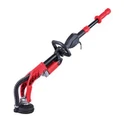
Hey there! As a supplier of Concrete Scarifiers, I know how important it is to keep your equipment in top - notch condition. Cleaning your concrete scarifier after use isn't just about making it look good; it's crucial for its performance and longevity. In this blog, I'll walk you through the steps to clean your concrete scarifier effectively.
Why Cleaning Matters
First off, let's talk about why cleaning your concrete scarifier is a big deal. When you use a scarifier, it comes into contact with all sorts of debris like concrete dust, small rocks, and asphalt bits. If you don't clean it properly, this debris can build up over time. It can clog the moving parts, causing the machine to work harder and potentially break down. Also, the dust and debris can be corrosive, which can damage the metal components of the scarifier. So, regular cleaning is like giving your machine a health check - up.
Pre - Cleaning Checks
Before you start cleaning, there are a few things you need to do. First, make sure the machine is turned off and unplugged (if it's an electric scarifier) or the engine is shut down (for gas - powered ones). You don't want any accidental starts while you're working on it.
Next, give the machine a quick visual inspection. Look for any obvious signs of damage, like loose parts or worn - out blades. If you find anything, it's a good idea to address it before you start cleaning. This way, you can avoid spreading debris around while trying to fix the issue later.
Cleaning the Exterior
Let's start with the outside of the concrete scarifier. Grab a stiff - bristled brush and some mild detergent. The brush will help you get rid of the loose dirt and debris that's stuck to the surface. Start from the top and work your way down, brushing in the direction of the grain (if there is any).
For the stubborn dirt, mix the mild detergent with water in a bucket. Dip a clean cloth or sponge into the soapy water and gently scrub the areas that need extra attention. Be careful not to get water into any electrical components or the engine. After scrubbing, use a clean, damp cloth to wipe away the soap residue.
Cleaning the Blades
The blades are one of the most important parts of the concrete scarifier. Over time, they can get covered in concrete and asphalt, which can affect their cutting performance. To clean the blades, you'll need a wire brush and a blade cleaner solution (you can find these at most hardware stores).
First, use the wire brush to remove any large chunks of debris from the blades. Be careful not to scratch the blades while you're doing this. Then, soak the blades in the cleaner solution for about 15 - 20 minutes. This will help loosen the remaining dirt and grime.
After soaking, take the blades out and use the wire brush again to scrub away the loosened debris. Rinse the blades thoroughly with clean water and dry them with a cloth. Make sure they're completely dry before you reinstall them on the scarifier.
Cleaning the Dust Collection System
If your concrete scarifier has a dust collection system, it's essential to clean it regularly. A clogged dust collection system can reduce the machine's efficiency and also pose a health risk due to the inhalation of dust.
Start by emptying the dust collection bag or container. If it's a disposable bag, simply replace it with a new one. If it's a reusable container, wash it with warm, soapy water and let it dry completely.
Next, check the filters in the dust collection system. If they're dirty, you can usually clean them by gently tapping them against a hard surface to remove the loose dust. For more stubborn dirt, you can use a vacuum cleaner to suck out the dust from the filters. If the filters are too dirty or damaged, it's best to replace them.
Cleaning the Hydraulic System (if applicable)
Some scarifiers, like the Hydraulic Floor Scarifier, have a hydraulic system. Cleaning the hydraulic system is a bit more technical, so if you're not comfortable doing it yourself, it's a good idea to consult a professional.
If you decide to clean it yourself, start by checking the hydraulic fluid level. If it's low, you'll need to add more fluid according to the manufacturer's instructions. Then, inspect the hydraulic hoses and connections for any signs of leaks or damage. If you find any issues, it's important to fix them right away.
To clean the hydraulic system, you can use a hydraulic system cleaner. Follow the instructions on the cleaner carefully, as different products may have different application methods. Usually, you'll need to add the cleaner to the hydraulic fluid and let the machine run for a certain period to circulate the cleaner through the system. After that, drain the old fluid and replace it with fresh hydraulic fluid.
Lubrication
Once you've finished cleaning, it's time to lubricate the moving parts of the concrete scarifier. Lubrication helps reduce friction and wear, which can extend the life of the machine.
Use a high - quality lubricant recommended by the manufacturer. Apply the lubricant to the bearings, chains, and other moving parts according to the machine's manual. Make sure to wipe off any excess lubricant to prevent dirt and debris from sticking to it.
Final Checks
After cleaning and lubricating, give the machine another visual inspection. Make sure all the parts are properly reinstalled and tightened. Check the blade alignment and make sure they're spinning freely.
Then, turn on the machine (if it's safe to do so) and let it run for a few minutes. Listen for any unusual noises or vibrations. If everything sounds and looks good, your concrete scarifier is ready for its next job.
Conclusion
Cleaning your concrete scarifier after use is a simple but important task. By following these steps, you can keep your machine in great condition and ensure it performs at its best. Whether you're using a Concrete Scarifier For Floor Roughening or an Asphalt Road Scarifier Machine, regular cleaning will save you time and money in the long run.
If you're in the market for a new concrete scarifier or have any questions about our products, feel free to reach out. We're here to help you find the right equipment for your needs and ensure you get the most out of it.


References
- Manufacturer's manuals for concrete scarifiers
- Industry best practices for equipment maintenance