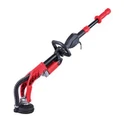
When it comes to floor renovation, maintenance, or construction, choosing the right floor grinding machine is crucial. As a professional floor grinding machine supplier, I understand the importance of this decision and the challenges that customers often face. In this blog post, I will share some key factors to consider when selecting a floor grinding machine to help you make an informed choice.
1. Type of Flooring
The first and most important factor to consider is the type of flooring you will be working on. Different types of floors require different types of grinding machines.
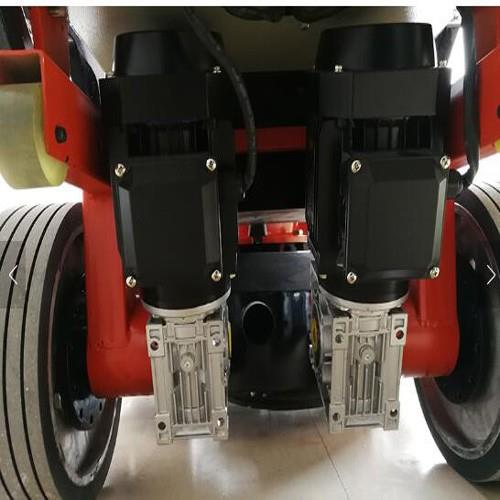
- Concrete Floors: Concrete floors are one of the most common surfaces for grinding. For large - scale concrete floor projects, a Remote Control Concrete Grinder can be a great choice. It offers the advantage of remote operation, which is especially useful in large open areas or in situations where the operator needs to avoid dust or other hazards. These machines are powerful and can handle the tough job of grinding and polishing concrete floors to a smooth finish.
- Terrazzo Floors: Terrazzo floors are made of chips of marble, quartz, granite, glass, or other materials embedded in a cement or resin matrix. A Terrazzo Floor Grinder Machine is specifically designed for this type of flooring. These machines are equipped with the right abrasive tools to grind and polish the terrazzo surface without damaging the embedded materials, bringing out the beauty of the terrazzo floor.
- Stone Floors: Stone floors, such as marble, granite, and limestone, require a more delicate touch. A Multifunctional Stone Floor Grinding Machine is ideal for stone floors. It can perform multiple functions, including grinding, polishing, and honing. These machines are often adjustable to different speeds and pressures, allowing for precise control over the grinding process to achieve the desired finish on the stone surface.
2. Project Size and Scope
The size and scope of your project also play a significant role in choosing the right floor grinding machine.
- Small - Scale Projects: For small - scale projects, such as residential bathrooms or small commercial kitchens, a handheld or compact floor grinding machine may be sufficient. These machines are lightweight, easy to maneuver, and relatively inexpensive. They are suitable for grinding small areas or for making repairs and touch - ups.
- Large - Scale Projects: Large - scale projects, such as industrial warehouses, shopping malls, or airport terminals, require more powerful and heavy - duty floor grinding machines. These machines have larger grinding heads, higher horsepower motors, and greater grinding capacity. They can cover more area in less time, improving productivity and reducing labor costs.
3. Grinding Power and Performance
The power and performance of a floor grinding machine are determined by several factors, including the motor horsepower, the number of grinding heads, and the rotation speed.
- Motor Horsepower: The motor horsepower is an important indicator of the machine's power. Generally, the higher the horsepower, the more powerful the machine. For tough grinding jobs, such as removing thick coatings or grinding hard - to - reach areas, a machine with a high - horsepower motor is recommended.
- Number of Grinding Heads: The number of grinding heads affects the grinding efficiency. Machines with multiple grinding heads can cover a larger area in one pass, reducing the overall grinding time. However, more grinding heads also mean higher costs, so you need to balance the need for efficiency with your budget.
- Rotation Speed: The rotation speed of the grinding heads determines the aggressiveness of the grinding. Higher rotation speeds are suitable for rough grinding and removing thick layers, while lower rotation speeds are better for fine polishing and finishing. Some machines allow you to adjust the rotation speed to suit different grinding tasks.
4. Dust Collection System
Dust is a major concern when grinding floors, as it can be harmful to the operator's health and cause environmental pollution. A good dust collection system is essential for any floor grinding machine.
- Built - in Dust Collection: Some floor grinding machines come with a built - in dust collection system. These systems are designed to capture dust at the source, reducing the amount of dust that is released into the air. Built - in dust collection systems are convenient and easy to use, but they may have limited capacity.
- External Dust Collectors: For larger projects or for situations where a high level of dust control is required, an external dust collector can be used in conjunction with the floor grinding machine. External dust collectors are more powerful and have a larger dust capacity. They can be connected to the machine via a hose, providing efficient dust collection.
5. Ease of Use and Maintenance
A floor grinding machine should be easy to use and maintain to ensure smooth operation and long - term reliability.
- Ergonomics: The machine should be designed with the operator in mind. It should have a comfortable grip, easy - to - reach controls, and a balanced weight distribution. This reduces operator fatigue and improves productivity.
- Maintenance Requirements: Regular maintenance is necessary to keep the floor grinding machine in good working condition. Look for machines that are easy to disassemble and clean, and that have readily available replacement parts. Some machines also come with self - diagnostic features that can help identify and troubleshoot problems.
6. Cost and Budget
Cost is always a factor when making a purchasing decision. You need to consider not only the initial purchase price of the floor grinding machine but also the long - term operating costs, including maintenance, replacement parts, and energy consumption.
- Initial Purchase Price: Compare the prices of different models and brands of floor grinding machines. However, don't just focus on the price; consider the features, performance, and quality of the machine as well. A more expensive machine may offer better performance, durability, and reliability, which can save you money in the long run.
- Operating Costs: Factor in the cost of maintenance, replacement parts, and energy consumption. Machines with high - quality components may require less frequent maintenance and replacement parts, reducing the long - term operating costs. Additionally, energy - efficient machines can help you save on electricity bills.
Conclusion
Choosing the right floor grinding machine is a complex decision that requires careful consideration of several factors. By taking into account the type of flooring, the project size and scope, the grinding power and performance, the dust collection system, the ease of use and maintenance, and the cost and budget, you can select a machine that meets your specific needs and requirements.
As a floor grinding machine supplier, we are committed to providing high - quality products and professional advice to our customers. If you have any questions or need further assistance in choosing the right floor grinding machine, please feel free to contact us for procurement discussions. We look forward to helping you achieve the best results for your floor grinding projects.

References
- ASTM International. (2023). Standards related to floor grinding and polishing.
- National Floor Safety Institute. (2023). Guidelines for floor maintenance and renovation.