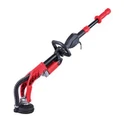
Adjusting the grinding pressure on a ride-on concrete grinder is a crucial aspect of achieving optimal results in concrete surface preparation and finishing. As a leading supplier of ride-on concrete grinders, I understand the significance of this process and am here to share valuable insights on how to make the necessary adjustments effectively.
Understanding the Importance of Grinding Pressure
Grinding pressure plays a vital role in determining the efficiency and quality of the concrete grinding process. Applying the right amount of pressure ensures that the grinding discs or blades make proper contact with the concrete surface, removing surface imperfections, coatings, and leveling uneven areas. Insufficient pressure may result in ineffective grinding, leaving behind rough patches and incomplete removal of contaminants. On the other hand, excessive pressure can lead to over-grinding, causing damage to the concrete surface, premature wear of the grinding tools, and increased equipment stress.
Factors Affecting Grinding Pressure
Several factors influence the appropriate grinding pressure for a specific job. These include the type of concrete surface, the condition of the surface, the type of grinding tools being used, and the desired finish.
Concrete Surface Type
Different types of concrete surfaces require different levels of grinding pressure. For example, newly poured concrete is generally softer and more porous than older, cured concrete. As a result, less pressure may be needed when grinding new concrete to avoid damaging the surface. Conversely, older concrete surfaces may be harder and more resistant to grinding, requiring higher pressure to achieve the desired results.
Surface Condition
The condition of the concrete surface also affects the grinding pressure. Surfaces with heavy coatings, such as paint or epoxy, may require higher pressure to remove the coatings effectively. Similarly, surfaces with deep scratches, pits, or other imperfections may need more pressure to level and smooth the surface.
Grinding Tools
The type and quality of the grinding tools being used can also impact the grinding pressure. Diamond blades and discs are commonly used in concrete grinding due to their durability and cutting efficiency. However, different diamond tools have different specifications and recommended pressure settings. It is important to refer to the manufacturer's guidelines for the specific grinding tools being used to determine the appropriate pressure.
Desired Finish
The desired finish of the concrete surface is another factor to consider when adjusting the grinding pressure. A smooth, polished finish may require lower pressure and multiple passes with finer-grit grinding tools. In contrast, a rougher finish for industrial or decorative purposes may allow for higher pressure and coarser-grit tools.
How to Adjust the Grinding Pressure
Most ride-on concrete grinders are equipped with adjustable pressure settings to accommodate different grinding requirements. Here are the general steps to adjust the grinding pressure on a ride-on concrete grinder:
Step 1: Read the Operator's Manual
Before making any adjustments to the grinding pressure, it is essential to read the operator's manual for your specific ride-on concrete grinder. The manual will provide detailed instructions on how to access and adjust the pressure settings, as well as any safety precautions to follow.
Step 2: Inspect the Grinding Tools
Check the condition of the grinding tools before starting the grinding process. Worn or damaged tools may require different pressure settings or replacement. Make sure the tools are properly installed and tightened to ensure safe and efficient operation.


Step 3: Start with a Low Pressure Setting
It is recommended to start with a low pressure setting and gradually increase the pressure as needed. This allows you to assess the effectiveness of the grinding process and make adjustments without causing excessive damage to the concrete surface or the grinding tools.
Step 4: Monitor the Grinding Results
As you start grinding, closely monitor the results to determine if the pressure is appropriate. Look for signs of under-grinding, such as rough patches or incomplete removal of coatings, as well as signs of over-grinding, such as excessive dust, burning of the concrete surface, or rapid wear of the grinding tools.
Step 5: Make Adjustments
Based on the monitoring results, make small adjustments to the grinding pressure as needed. If the grinding is not effective, gradually increase the pressure in small increments until the desired results are achieved. If you notice signs of over-grinding, reduce the pressure immediately to prevent further damage.
Step 6: Test on a Small Area
Before proceeding with the entire grinding project, it is a good idea to test the adjusted pressure settings on a small, inconspicuous area of the concrete surface. This allows you to fine-tune the pressure and ensure that the results meet your expectations.
Tips for Optimal Grinding Pressure Adjustment
Here are some additional tips to help you adjust the grinding pressure effectively:
- Use a consistent speed: Maintain a consistent speed while grinding to ensure even pressure distribution and uniform results.
- Overlap passes: Overlap each grinding pass slightly to ensure complete coverage and prevent uneven grinding.
- Keep the grinder level: Make sure the ride-on concrete grinder is level to ensure even pressure across the grinding surface.
- Clean the grinding tools regularly: Clean the grinding tools regularly to remove debris and prevent clogging, which can affect the grinding performance and pressure requirements.
- Seek professional advice: If you are unsure about the appropriate grinding pressure for a specific job, consult with a professional concrete grinder or the manufacturer of your ride-on concrete grinder.
Conclusion
Adjusting the grinding pressure on a ride-on concrete grinder is a skill that requires careful consideration of several factors. By understanding the importance of grinding pressure, the factors that affect it, and how to make the necessary adjustments, you can achieve optimal results in your concrete grinding projects. As a supplier of ride-on concrete grinders, we are committed to providing high-quality equipment and expert support to help you succeed. If you are interested in our Terrazzo Tile Polishing Machine, Diamond Blade Concrete Grinder, or Diamond Floor Grinder, or if you have any questions about grinding pressure adjustment or other aspects of concrete grinding, please feel free to contact us. We look forward to assisting you with your concrete grinding needs.
References
- Concrete Grinding and Polishing Handbook, by Mike Byrne
- Ride-On Concrete Grinder Operator's Manuals