Hey there, fellow DIYers and professional contractors! If you're in the concrete grinding game, you know that having the right tools and, more importantly, the right diamond tools can make or break your project. As a supplier of Diamond Concrete Grinders, I've seen firsthand how the quality of diamonds can significantly impact the performance of these machines. So, let's dive into how diamond quality affects the operation of a Diamond Concrete Grinder.
Understanding Diamond Quality
First off, what do we mean by diamond quality? Well, diamonds used in concrete grinders aren't your typical jewelry-grade stones. They're industrial diamonds, and their quality is judged based on a few key factors.
Hardness and Toughness: Diamonds are the hardest known natural material, but not all diamonds have the same level of toughness. A high - quality diamond can withstand the high - pressure and high - speed grinding process without breaking or chipping easily. On the other hand, lower - quality diamonds may shatter under stress, which can lead to inconsistent grinding results and even damage to the grinder itself.
Crystal Structure: The crystal structure of a diamond affects its cutting ability. Well - formed crystals with fewer defects can cut through concrete more efficiently. Diamonds with irregular crystal structures may not cut as cleanly, resulting in a rougher finish on the concrete surface.
Particle Size and Distribution: In a diamond grinding tool, the size and distribution of diamond particles matter. A uniform distribution of appropriately sized diamond particles ensures even wear and consistent grinding performance. If the particles are too large or unevenly distributed, the grinder may leave marks on the concrete or wear out unevenly.
Impact on Grinding Efficiency
The quality of diamonds directly impacts the efficiency of a Diamond Concrete Grinder. High - quality diamonds cut through concrete faster and with less effort. This means you can complete your projects in less time, which is a huge advantage, especially for large - scale commercial projects.
For example, if you're using a Garage Floor Grinding Machine with high - quality diamonds, you can quickly remove old coatings, level uneven surfaces, and prepare the floor for new finishes. In contrast, low - quality diamonds may require multiple passes over the same area to achieve the same result, wasting time and increasing labor costs.
Surface Finish Quality
Another crucial aspect affected by diamond quality is the surface finish of the concrete. When you're grinding a concrete floor, you want a smooth, even finish. High - quality diamonds are more likely to provide this.
They can remove small imperfections and create a consistent surface texture. Whether you're working on a residential basement floor or a high - end commercial lobby, a good surface finish is essential. With low - quality diamonds, you may end up with a surface that has scratches, gouges, or an uneven texture. This not only looks bad but may also require additional work to correct.
Tool Life
Tool life is a significant consideration for any contractor or DIYer. High - quality diamonds in a Diamond Concrete Grinder last longer. They can withstand the rigors of continuous grinding without wearing down quickly.
This means you don't have to replace your grinding tools as often, which saves you money in the long run. For instance, if you're using a Planetary Floor Machine on a daily basis, high - quality diamond tools will keep performing well for a longer period compared to lower - quality ones.
Heat Generation
During the grinding process, heat is generated. High - quality diamonds are better at dissipating heat. This is important because excessive heat can damage both the diamonds and the grinder.
When diamonds overheat, they can lose their cutting ability and may even break down. Low - quality diamonds are more prone to overheating, which can lead to premature wear and reduced performance. By using high - quality diamonds, you can keep your grinder running smoothly and avoid costly repairs.
Cost - Benefit Analysis
Now, I know high - quality diamonds may come with a higher price tag. But when you consider the long - term benefits, it's often a smart investment.
Sure, you'll pay more upfront for a set of high - quality diamond grinding tools, but you'll save on labor costs due to increased efficiency, and you won't have to replace the tools as frequently. In the grand scheme of things, this can lead to significant savings over time.
Other Considerations
It's not just about the diamonds themselves. The way they're bonded to the grinder also matters. A good bonding agent ensures that the diamonds stay in place during the grinding process. If the bonding is weak, the diamonds may fall off prematurely, reducing the tool's effectiveness.

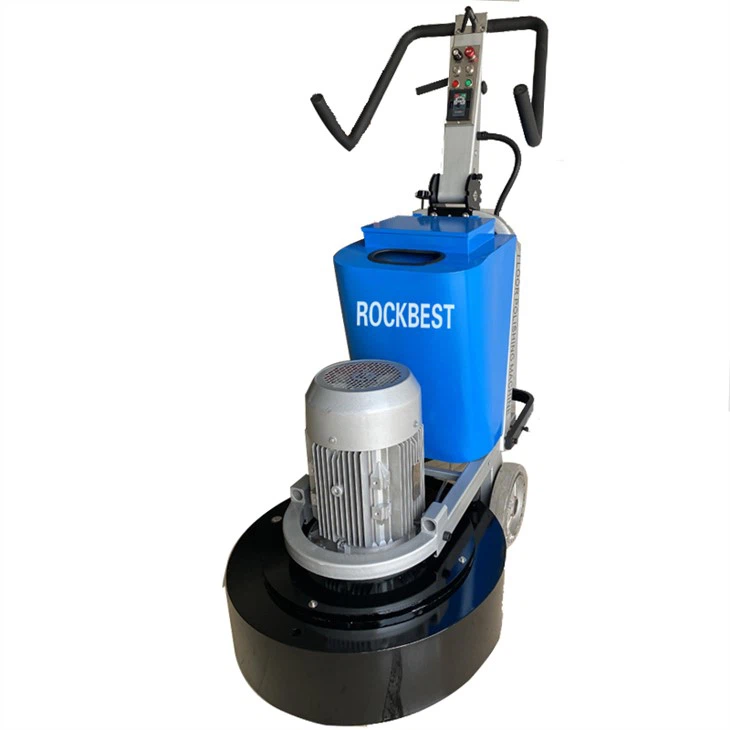
Also, make sure to choose the right type of diamond tool for your specific project. Different projects may require different diamond grits and tool configurations. For example, if you're working on a Wood Floor Sander Machine, you'll need a different type of diamond tool compared to a large - scale concrete floor grinding project.
Conclusion
In conclusion, the quality of diamonds has a profound impact on the performance of a Diamond Concrete Grinder. From grinding efficiency and surface finish to tool life and heat generation, every aspect of the grinding process is affected.
As a supplier of Diamond Concrete Grinders, I highly recommend investing in high - quality diamond tools. They may cost more initially, but the long - term benefits far outweigh the upfront costs. If you're looking to take on your next concrete grinding project, don't skimp on the diamonds.
If you're interested in learning more about our range of Diamond Concrete Grinders and high - quality diamond tools, or if you want to discuss your specific project requirements, feel free to reach out. We're here to help you make the right choice for your needs and ensure your projects are a success.
References
- ASTM International. "Standard Test Methods for Abrasive Wear Resistance of Concrete by the Rotating - Cutoff - Wheel Method." ASTM C779/C779M - 16.
- Concrete Sawing & Drilling Association. "Best Practices for Concrete Grinding and Polishing."