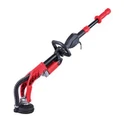
Hey there! As a supplier of wood floor sander machines, I often get asked, "Do I need any special skills to operate a wood floor sander machine?" Well, let's dive right into it and break it down.
First off, the short answer is: it depends. For some basic operations, you don't necessarily need a whole bunch of super - specialized skills. But having a bit of know - how can make the process a whole lot smoother and give you better results.
The Basics: What You Can Do Without Special Skills
If you're just planning on doing some light sanding on a small, relatively flat area of your wood floor, you can probably get by with just following the basic instructions. Most wood floor sander machines come with a user manual that gives you the lowdown on how to turn the machine on, adjust the speed (if it's adjustable), and start sanding.
You'll need to know how to load the sandpaper onto the machine. This usually involves opening up a compartment, placing the sandpaper in the right spot, and then securing it. It's not rocket science, but make sure you follow the directions carefully so the sandpaper doesn't come loose while you're sanding.
Once the sandpaper is in place, you can start the machine. Walk slowly and steadily over the area you want to sand. Keep the machine moving in a straight line, and try to overlap each pass a little bit to make sure you get an even finish. You don't need to be a professional athlete or a master craftsman to do this. Just take your time and pay attention to what you're doing.

When Special Skills Come in Handy
However, there are some situations where having special skills can really make a difference.
Complex Floor Patterns
If your wood floor has a complex pattern, like a herringbone or a parquet design, you'll need to be more careful. Special skills in maneuvering the sander around corners and curves are essential. You have to know how to angle the machine correctly to avoid sanding too much in one area and leaving other parts untouched. For example, when sanding the edges of a herringbone pattern, you need to be able to follow the sharp angles precisely. Without the right skills, you might end up with an uneven finish or damage the delicate pattern.
Dealing with Different Wood Types
Different types of wood have different densities and textures. Softwoods like pine are easier to sand than hardwoods like oak. You need to know how to adjust the speed and pressure of the sander according to the wood type. If you sand a softwood too aggressively, you might end up with a rough surface or even gouge the wood. On the other hand, if you don't apply enough pressure when sanding a hardwood, you won't get a smooth finish. Special skills in understanding wood characteristics and adjusting the sander settings accordingly are crucial.
Repairing Damaged Floors
If your wood floor has deep scratches, dents, or other damage, you'll need some extra skills to repair it before sanding. You might need to fill the dents with wood filler, let it dry, and then sand it down to match the surrounding area. This requires knowledge of the right type of filler to use, how to apply it properly, and how to sand it smoothly. Without these skills, the repaired area might stand out and look uneven after the final sanding.
Training and Resources
If you don't have the special skills but want to operate a wood floor sander machine effectively, don't worry. There are plenty of resources available to help you learn. You can find online tutorials on YouTube that show you step - by - step how to operate the machine, how to deal with different wood types, and how to sand complex patterns.
Some manufacturers also offer training courses. As a supplier, I can tell you that many of our customers take advantage of these courses. They're a great way to learn from experts and get hands - on experience. You'll learn all the tips and tricks you need to know to get professional - looking results.
Related Products
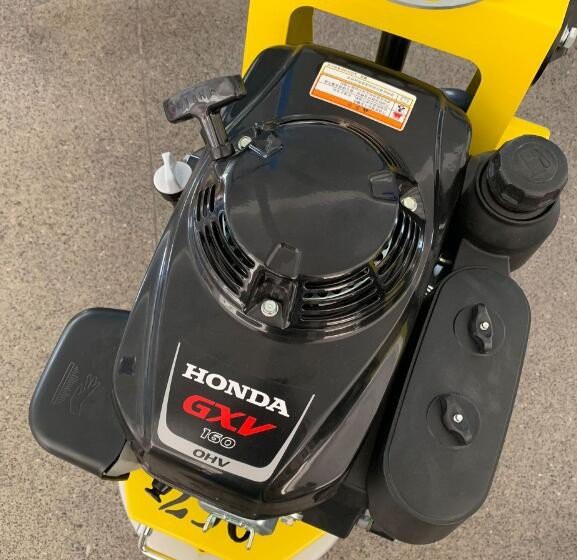
In addition to wood floor sander machines, we also offer a range of other useful products. For example, if you're working on concrete floors, we have Portable Concrete Grinder. It's great for small - scale concrete sanding jobs. If you need more power, our Gasoline Concrete Floor Grinder is a great option. And for those really tough jobs, our Diamond Floor Grinder can handle it all.
Conclusion: Should You Worry About Skills?
So, do you need special skills to operate a wood floor sander machine? It's not an absolute must, especially for simple jobs. But if you want to tackle more complex projects and get the best results, learning some special skills is definitely worth it. Whether you're a DIY enthusiast or a professional contractor, taking the time to learn how to operate the machine properly will save you time, money, and frustration in the long run.
If you're interested in purchasing a wood floor sander machine or any of our other products, feel free to reach out to us. We're here to answer all your questions and help you find the right equipment for your needs. Whether you're just starting out or you're a seasoned pro, we've got the products and the support you need.
References
- Wood Floor Sander Machine User Manuals
- Online Woodworking Tutorials
- Manufacturer - provided Training Materials