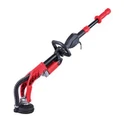
Concrete grinding has emerged as a popular technique in the world of construction and interior design. It offers a range of benefits, from surface preparation to enhancing the aesthetic appeal of concrete floors. But the question that often arises is: Can concrete grinding be used on decorative concrete? As a leading supplier of concrete grinding equipment, I'm here to explore this topic in detail and shed light on the possibilities and considerations.
Understanding Decorative Concrete
Decorative concrete encompasses a variety of finishes and techniques that transform ordinary concrete into a visually appealing and unique surface. These finishes can include stamped concrete, stained concrete, polished concrete, and overlays. Each type of decorative concrete has its own characteristics and requirements, and it's essential to understand them before considering concrete grinding.
Stamped concrete, for example, involves imprinting patterns onto the wet concrete surface to mimic the look of materials such as stone, brick, or tile. Stained concrete uses chemical or acid stains to create rich, variegated colors on the concrete. Polished concrete, on the other hand, is achieved by grinding and polishing the concrete surface to a high shine, revealing the aggregate and creating a smooth, durable finish. Overlays are thin layers of concrete or other materials applied over an existing concrete surface to change its appearance.
The Benefits of Concrete Grinding on Decorative Concrete
Concrete grinding can offer several benefits when applied to decorative concrete. One of the primary advantages is surface preparation. Before applying a stain, overlay, or other decorative treatment, the concrete surface needs to be clean, smooth, and free of contaminants. Concrete grinding can remove dirt, oil, paint, and other surface imperfections, creating a suitable substrate for the decorative finish.
Grinding can also enhance the appearance of decorative concrete. In the case of polished concrete, grinding is the key process that reveals the aggregate and creates the desired level of shine. By using progressively finer grits of grinding discs, the surface can be polished to a mirror-like finish or a more matte, satin finish, depending on the client's preference. This not only improves the aesthetic appeal of the concrete but also increases its durability and resistance to wear and tear.
Another benefit of concrete grinding on decorative concrete is the ability to repair and restore damaged surfaces. Over time, decorative concrete can develop cracks, chips, or other imperfections. Grinding can remove these defects and level the surface, restoring the concrete to its original condition. This can be particularly useful in commercial settings where the appearance of the floor is important for customer perception and safety.
Considerations When Using Concrete Grinding on Decorative Concrete
While concrete grinding can be beneficial for decorative concrete, there are several considerations that need to be taken into account. One of the most important factors is the type of decorative finish. Different finishes have different requirements and sensitivities, and it's essential to choose the appropriate grinding equipment and techniques to avoid damaging the surface.
For example, stamped concrete has a textured surface that can be easily damaged if the grinding pressure is too high or the wrong type of grinding disc is used. In this case, a gentle grinding process with a soft-bonded disc may be required to preserve the texture and pattern of the stamped concrete. Stained concrete is also sensitive to grinding, as excessive grinding can remove the stain and alter the color of the surface. It's important to test the grinding process on a small, inconspicuous area first to ensure that the stain is not affected.
Polished concrete requires a more precise grinding process to achieve the desired level of shine. The grinding discs need to be selected based on the hardness of the concrete and the desired finish. Coarser grits are used for initial grinding to remove surface imperfections and expose the aggregate, while finer grits are used for polishing to create a smooth, shiny surface. Over-grinding or using the wrong grit can result in a uneven or dull finish.
Another consideration is the dust generated during the grinding process. Concrete grinding produces a significant amount of dust, which can be harmful to the environment and the health of workers. It's important to use proper dust collection equipment, such as a vacuum system or a dust shroud, to minimize the spread of dust. Additionally, workers should wear appropriate personal protective equipment, such as respirators and goggles, to protect themselves from the dust.
Choosing the Right Concrete Grinding Equipment
As a concrete grinding supplier, I understand the importance of choosing the right equipment for the job. There are several types of concrete grinding machines available on the market, each with its own features and capabilities. The choice of equipment will depend on the type of decorative concrete, the size of the project, and the desired finish.


For small to medium-sized projects, handheld grinders can be a convenient and cost-effective option. These grinders are lightweight and easy to maneuver, making them ideal for grinding edges, corners, and small areas. Edge Floor Grinder With Cup Wheel is a popular choice for edge grinding and can be used to achieve a smooth, consistent finish on decorative concrete.
For larger projects, ride-on or walk-behind floor grinders are more suitable. These machines are more powerful and can cover a larger area in less time. 180mm Floor Grinder is a versatile machine that can be used for both grinding and polishing decorative concrete. It has a large grinding diameter and can be equipped with different types of grinding discs to achieve the desired finish.
In addition to the grinder itself, it's important to choose the right grinding discs. The type of disc will depend on the hardness of the concrete, the desired finish, and the type of decorative treatment. For example, diamond grinding discs are commonly used for grinding and polishing concrete because they are durable and can provide a high-quality finish. Resin-bonded discs are also popular for grinding and polishing, as they are less aggressive and can be used on more delicate surfaces.
Case Studies
To illustrate the effectiveness of concrete grinding on decorative concrete, let's look at a few case studies.
Case Study 1: Polished Concrete in a Commercial Office Building
A commercial office building wanted to upgrade its existing concrete floors to a polished finish. The floors had some surface imperfections, such as cracks and stains, that needed to be addressed before the polishing process. Our team used a ride-on floor grinder with progressively finer grits of diamond grinding discs to grind and polish the floors. The initial grinding removed the surface imperfections and exposed the aggregate, while the final polishing created a high-gloss finish. The result was a beautiful, durable floor that enhanced the overall appearance of the office building.
Case Study 2: Stamped Concrete Restoration in a Residential Driveway
A homeowner had a stamped concrete driveway that had become dull and damaged over time. The driveway had some cracks and chips, and the stamped pattern was starting to fade. Our team used a handheld grinder to remove the damaged areas and level the surface. We then applied a new stain to the driveway to restore its color and enhance the stamped pattern. The result was a restored driveway that looked like new and added value to the home.
Case Study 3: Overlay Application on a Warehouse Floor
A warehouse owner wanted to improve the appearance and durability of its existing concrete floor. The floor had some uneven areas and was prone to dusting. Our team used a walk-behind floor grinder to prepare the surface for an overlay. The grinding removed the surface contaminants and created a rough texture for better adhesion of the overlay. We then applied a thin layer of concrete overlay to the floor and finished it with a decorative texture. The result was a smooth, durable floor that was more resistant to wear and tear and improved the overall functionality of the warehouse.
Conclusion
In conclusion, concrete grinding can be a valuable tool for enhancing the appearance and performance of decorative concrete. Whether it's for surface preparation, polishing, repair, or restoration, concrete grinding can offer a range of benefits when applied correctly. However, it's important to consider the type of decorative finish, the condition of the concrete surface, and the appropriate grinding equipment and techniques to achieve the desired results.
As a leading supplier of concrete grinding equipment, we have the expertise and experience to help you choose the right equipment for your decorative concrete project. Our Edge Floor Grinder With Cup Wheel, 180mm Floor Grinder, and Levelling Floor Grinder Machine are designed to provide high-quality results and are suitable for a variety of decorative concrete applications.
If you're interested in learning more about concrete grinding for decorative concrete or need assistance with your project, please don't hesitate to contact us. We're here to help you achieve the best possible results and create a beautiful, durable concrete surface that meets your needs and exceeds your expectations.
References
- American Concrete Institute. (2019). Guide for Concrete Floor and Slab Preparation for Coating, Finishing, or Laminating. ACI 503R-19.
- Concrete Polishing Association of America. (n.d.). Best Practices for Concrete Polishing. Retrieved from https://www.concretepolishing.org/best-practices/
- National Association of Home Builders. (2018). Decorative Concrete: A Guide for Home Builders and Remodelers.
- PCA. (2017). Concrete Overlays: A Practical Guide. Portland Cement Association.