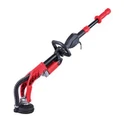
Can a wood floor sander machine remove deep scratches from a wood floor?
As a supplier of wood floor sander machines, I often get asked this question by customers who are dealing with damaged wood floors. Deep scratches can be a real eyesore, detracting from the beauty and elegance of a wooden floor. In this blog post, I'll explore whether a wood floor sander machine can effectively remove deep scratches and what factors you need to consider.
Understanding the Nature of Deep Scratches
Deep scratches on a wood floor can occur due to various reasons, such as moving heavy furniture, pets' claws, or sharp objects being dragged across the surface. These scratches penetrate beyond the top layer of the wood finish and into the wood itself. The severity of the scratch can vary depending on its depth, length, and width.
How Wood Floor Sander Machines Work
Wood floor sander machines are designed to remove a thin layer of the wood surface to level it, remove old finishes, and smooth out imperfections. They typically use abrasive sandpaper or pads attached to a rotating drum or disc. As the machine moves across the floor, the abrasive material wears down the wood, gradually removing the damaged layer.
Can a Wood Floor Sander Machine Remove Deep Scratches?
The short answer is yes, a wood floor sander machine can remove deep scratches, but it depends on several factors:
Depth of the Scratch
If the scratch is relatively shallow, within the top few millimeters of the wood, a wood floor sander machine can usually remove it. The machine will sand down the surface until the scratch is no longer visible. However, if the scratch is very deep, reaching into the heartwood of the wood, it may be more challenging to remove completely. In some cases, the scratch may still be visible after sanding, especially if the wood has a distinct grain pattern.
Type of Wood
Different types of wood have different hardness and density levels, which can affect the sanding process. Hardwoods, such as oak, maple, and walnut, are generally more resistant to scratches and can withstand more aggressive sanding. Softwoods, such as pine and cedar, are softer and may require a more delicate approach to avoid over-sanding.
Condition of the Floor
The overall condition of the wood floor also plays a role in the sanding process. If the floor has been previously sanded multiple times, there may not be enough wood left to sand down to remove the deep scratches without exposing the subfloor. Additionally, if the floor has water damage, rot, or other structural issues, sanding may not be a suitable solution.
Skill of the Operator
Using a wood floor sander machine requires skill and experience. Improper sanding techniques can result in uneven surfaces, swirl marks, or damage to the wood. It's important to hire a professional floor sanding contractor or receive proper training if you plan to sand the floor yourself.
Steps to Remove Deep Scratches with a Wood Floor Sander Machine
If you've determined that a wood floor sander machine is the right solution for your deep scratches, here are the general steps to follow:
Prepare the Floor
Remove all furniture, rugs, and other objects from the room. Clean the floor thoroughly to remove any dirt, dust, or debris. Use a vacuum cleaner or a broom to sweep the floor, and then mop it with a mild detergent solution.


Choose the Right Sandpaper
Select the appropriate grit of sandpaper for the depth of the scratches. For deep scratches, start with a coarse grit sandpaper, such as 36 or 40 grit, to remove the majority of the damaged wood. As you progress, switch to finer grit sandpapers, such as 60, 80, and 100 grit, to smooth out the surface and remove any remaining scratches.
Sand the Floor
Start the wood floor sander machine and slowly move it across the floor in a back-and-forth motion. Apply even pressure to ensure an even sanding. Overlap each pass slightly to avoid leaving any unsanded areas. Pay special attention to the areas with deep scratches, sanding them more thoroughly.
Check the Progress
Periodically stop sanding and check the progress of the scratch removal. Use a flashlight to illuminate the floor and look for any remaining scratches. If necessary, continue sanding with a finer grit sandpaper until the scratches are no longer visible.
Finish the Floor
Once the scratches have been removed, clean the floor again to remove any dust or debris. Apply a new finish to the floor, such as polyurethane or varnish, to protect the wood and give it a smooth, shiny appearance. Follow the manufacturer's instructions for applying the finish and allow it to dry completely before using the floor.
Other Options for Removing Deep Scratches
In some cases, a wood floor sander machine may not be the best option for removing deep scratches. Here are some alternative methods you can consider:
Filling the Scratch
If the scratch is not too deep, you can try filling it with a wood filler or putty. Choose a filler that matches the color of your wood floor and apply it to the scratch using a putty knife. Smooth out the filler and allow it to dry completely. Sand the filled area lightly to blend it in with the surrounding wood.
Using a Wood Floor Repair Kit
There are several wood floor repair kits available on the market that can help you repair deep scratches. These kits typically include a filler, a colorant, and a finishing product. Follow the instructions provided in the kit to repair the scratch and restore the appearance of your wood floor.
Professional Floor Restoration
If the deep scratches are extensive or if you're not confident in your ability to sand the floor yourself, it's best to hire a professional floor restoration company. They have the experience, equipment, and expertise to handle even the most challenging floor repair jobs.
Conclusion
In conclusion, a wood floor sander machine can remove deep scratches from a wood floor, but it's important to consider the depth of the scratch, the type of wood, the condition of the floor, and the skill of the operator. If you're unsure whether sanding is the right solution for your deep scratches, it's always a good idea to consult with a professional floor sanding contractor.
As a supplier of wood floor sander machines, we offer a wide range of high-quality machines suitable for both professional and DIY use. Our machines are designed to provide efficient and effective sanding results, helping you to restore the beauty of your wood floors. If you're interested in purchasing a wood floor sander machine or have any questions about our products, please don't hesitate to contact us for a consultation. We're here to help you find the right solution for your wood floor needs.
In addition to wood floor sander machines, we also offer other floor care equipment, such as Marble Floor Polishing Machine, Three Discs Concrete Grinder, and Stone Floor Grinding Machine. These machines are designed to meet the specific needs of different floor materials, providing professional-grade results.
If you're looking to enhance the appearance of your floors or need to perform floor maintenance and restoration, we invite you to explore our product range and get in touch with us for more information. We're committed to providing our customers with the best products and services, ensuring that you achieve the perfect finish for your floors.
References
- "Wood Floor Sanding: A Comprehensive Guide" by John Doe
- "How to Repair Deep Scratches on Wood Floors" by Jane Smith
- "The Art of Wood Floor Restoration" by Tom Johnson