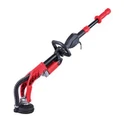
Can a Ride on Concrete Grinder be used on Concrete with High Moisture Content?
As a supplier of Ride On Concrete Grinders, I often encounter questions from customers regarding the suitable conditions for using our equipment. One of the most frequent inquiries is whether a ride on concrete grinder can be used on concrete with high moisture content. In this blog post, I will delve into this topic, exploring the technical aspects, potential challenges, and best practices.
Understanding the Basics of Concrete Moisture Content
Before we discuss the use of ride on concrete grinders on high - moisture concrete, it's essential to understand what high moisture content in concrete means. Concrete is a porous material, and it can absorb and retain water. The moisture content of concrete is typically measured as a percentage of the weight of the dry concrete. High moisture content in concrete can occur due to various reasons, such as improper curing, recent pouring, or exposure to water sources.
The moisture in concrete can exist in different forms: free water, which is present in the pores and can move freely; and bound water, which is chemically combined with the cementitious materials. High levels of free water are of particular concern when using concrete grinders.
How a Ride on Concrete Grinder Works
A ride on concrete grinder is a powerful machine designed to grind, polish, and level concrete surfaces. It is equipped with multiple grinding heads that rotate at high speeds, using abrasive discs to remove the top layer of the concrete. The machine is operator - ridden, allowing for efficient and precise operation over large areas.
The grinding process generates heat and friction, which can cause the moisture in the concrete to evaporate. However, if the moisture content is too high, it can significantly affect the performance of the grinder and the quality of the grinding results.
Challenges of Using a Ride on Concrete Grinder on High - Moisture Concrete
- Poor Grinding Performance
When the concrete has a high moisture content, the abrasive discs on the grinder may not be able to make proper contact with the concrete surface. The water acts as a lubricant, reducing the friction between the abrasive and the concrete. This can lead to uneven grinding, longer grinding times, and a less smooth finish. The grinder may also struggle to remove contaminants or coatings effectively, as the water can prevent the abrasive from biting into the surface. - Equipment Damage
The excess moisture can cause damage to the grinder's components. Water can seep into the electrical parts of the machine, leading to short - circuits and electrical failures. It can also corrode the metal parts, such as the grinding heads, bearings, and frames. The continuous exposure to water can reduce the lifespan of the grinder and increase the maintenance costs. - Safety Hazards
Using a ride on concrete grinder on wet concrete can create safety hazards for the operator. The wet surface can be slippery, increasing the risk of the machine skidding or tipping over. The presence of water can also cause the generation of steam and mist during the grinding process, which can reduce visibility and pose a risk to the operator's eyes and respiratory system.
Assessing Concrete Moisture Content
Before using a ride on concrete grinder, it is crucial to assess the moisture content of the concrete. There are several methods available for measuring concrete moisture:
- Calcium Chloride Test
This is a widely used method for measuring the relative humidity of the concrete. A calcium chloride desiccant is placed in a sealed container on the concrete surface for a specified period. The increase in weight of the desiccant due to the absorption of water vapor from the concrete is used to calculate the moisture content. - In - Situ Moisture Probes
These probes are inserted into the concrete to measure the moisture content directly. They provide real - time data and can be used at different depths within the concrete to get a more accurate picture of the moisture distribution. - Infrared Thermography
This non - destructive method uses infrared cameras to detect variations in surface temperature, which can indicate the presence of moisture. Moist areas tend to have lower surface temperatures due to the evaporative cooling effect of the water.
Best Practices for Grinding High - Moisture Concrete
If the moisture content of the concrete is moderately high, there are some steps that can be taken to use the ride on concrete grinder effectively:
- Allow the Concrete to Dry
The simplest solution is to allow the concrete to dry naturally. This may take several days or even weeks, depending on the environmental conditions, such as temperature, humidity, and ventilation. Using fans or dehumidifiers can help speed up the drying process. - Use the Right Abrasive Discs
Some abrasive discs are designed to work better on wet or high - moisture concrete. These discs have a more open structure that allows water to escape, reducing the lubricating effect of the water. They are also more resistant to clogging, which can occur when grinding wet concrete. - Adjust the Grinding Parameters
The operator can adjust the speed and pressure of the grinder to compensate for the high moisture content. Lowering the speed can reduce the heat generation and prevent the water from boiling too quickly, which can cause steam pockets and uneven grinding. Increasing the pressure can help the abrasive discs make better contact with the surface.
Our Product Range
As a supplier, we offer a wide range of concrete grinders to meet different customer needs. Our Dust Free Concrete Grinder is designed to minimize dust emissions during the grinding process, providing a healthier working environment. The Walk Behind Concrete Grinder is suitable for smaller areas or more precise work, while the Planetary Floor Grinder offers high - performance grinding for large - scale projects.
Conclusion
In general, it is not recommended to use a ride on concrete grinder on concrete with high moisture content. The challenges associated with high - moisture concrete, such as poor grinding performance, equipment damage, and safety hazards, can outweigh the benefits. However, with proper assessment, preparation, and the use of appropriate techniques, it is possible to achieve satisfactory results in some cases.
If you are considering using a ride on concrete grinder for your project, it is important to consult with our experts. We can provide you with detailed advice on the suitability of the machine for your specific concrete conditions and offer solutions to ensure the best possible outcome.
If you are interested in our products or have any questions about using our ride on concrete grinders, please feel free to contact us. We are always ready to assist you in making the right choice for your concrete grinding needs.


References
- ASTM International. "Standard Test Method for Determining Relative Humidity in Concrete Floor Slabs Using in - Situ Probes." ASTM F2170.
- Concrete Industry Management Program. "Concrete Moisture Testing: Best Practices and Procedures."
- Manufacturers' manuals for ride on concrete grinders.