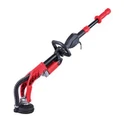
Lava stone floors have gained popularity in recent years due to their unique aesthetic appeal and durability. As a floor grinder supplier, I often receive inquiries from customers about whether our floor grinders can be used for lava stone floors. In this blog post, I will explore the feasibility of using a floor grinder on lava stone floors, discuss the considerations, and provide some tips for a successful grinding process.
Understanding Lava Stone Floors
Lava stone, also known as basalt, is a volcanic rock formed from the rapid cooling of lava. It is known for its dense and hard nature, as well as its natural color variations and textures. Lava stone floors can add a rustic and earthy charm to any space, whether it's a residential home, commercial building, or outdoor area.
However, lava stone floors also present some challenges when it comes to maintenance and finishing. The surface of lava stone can be rough and uneven, with pores and fissures that can trap dirt and debris. Additionally, the hardness of lava stone makes it more difficult to grind and polish compared to other types of flooring materials.


Can a Floor Grinder Be Used for Lava Stone Floors?
The short answer is yes, a floor grinder can be used for lava stone floors. However, it is important to choose the right type of floor grinder and the appropriate grinding tools for the job.
Types of Floor Grinders
There are several types of floor grinders available on the market, each with its own features and capabilities. The most common types of floor grinders used for lava stone floors include:
- Planetary Floor Grinders: These grinders are equipped with multiple rotating heads that move in a planetary motion, providing a more even and efficient grinding action. Planetary floor grinders are ideal for large-scale projects and can handle the hardness of lava stone floors.
- Single-Head Floor Grinders: As the name suggests, single-head floor grinders have a single grinding head. They are more compact and maneuverable than planetary floor grinders, making them suitable for smaller areas and hard-to-reach places.
- Diamond Floor Grinders: Diamond floor grinders use diamond-embedded grinding discs to grind and polish the surface of the floor. Diamond is one of the hardest materials known to man, making it ideal for grinding hard materials like lava stone.
Grinding Tools
In addition to choosing the right type of floor grinder, it is also important to select the appropriate grinding tools for lava stone floors. The most common types of grinding tools used for lava stone floors include:
- Diamond Grinding Discs: Diamond grinding discs are available in different grit sizes, ranging from coarse to fine. Coarse grit discs are used for initial grinding and leveling, while fine grit discs are used for polishing and final finishing.
- Bonded Abrasive Discs: Bonded abrasive discs are made from a mixture of abrasive materials and a bonding agent. They are less expensive than diamond grinding discs but are also less durable. Bonded abrasive discs are suitable for light grinding and polishing of lava stone floors.
- Polishing Pads: Polishing pads are used to achieve a high-gloss finish on lava stone floors. They are available in different colors, each representing a different grit size. Polishing pads are typically used after the initial grinding and leveling process.
Considerations When Using a Floor Grinder on Lava Stone Floors
Before using a floor grinder on lava stone floors, there are several considerations that need to be taken into account:
- Hardness of the Lava Stone: Lava stone is a hard and dense material, which means it requires more power and pressure to grind and polish compared to other types of flooring materials. It is important to choose a floor grinder with sufficient power and the appropriate grinding tools to ensure a successful grinding process.
- Porosity of the Lava Stone: Lava stone is a porous material, which means it can absorb water and other liquids. This can cause the surface of the lava stone to become discolored or stained if not properly sealed. It is important to seal the lava stone floor before and after grinding to prevent water and liquid penetration.
- Surface Condition of the Lava Stone: The surface condition of the lava stone floor can vary depending on its age, usage, and maintenance. If the surface of the lava stone floor is rough, uneven, or damaged, it may require more extensive grinding and leveling before polishing.
- Safety Precautions: Grinding and polishing lava stone floors can generate a lot of dust and debris, which can be harmful to your health if inhaled. It is important to wear appropriate safety gear, such as a dust mask, safety glasses, and ear protection, when using a floor grinder. Additionally, it is important to use a dust collection system to minimize the amount of dust and debris in the air.
Tips for a Successful Grinding Process
To ensure a successful grinding process when using a floor grinder on lava stone floors, here are some tips to keep in mind:
- Prepare the Floor: Before grinding the lava stone floor, it is important to clean the surface thoroughly to remove any dirt, debris, or stains. This will help to ensure a more even and consistent grinding process.
- Start with a Coarse Grit Disc: When grinding lava stone floors, it is recommended to start with a coarse grit disc to remove any rough spots, unevenness, or scratches on the surface. As you progress through the grinding process, gradually switch to finer grit discs to achieve a smoother and more polished finish.
- Use a Water Coolant: Grinding lava stone floors can generate a lot of heat, which can damage the grinding tools and the surface of the floor. To prevent this from happening, it is recommended to use a water coolant during the grinding process. The water coolant will help to keep the grinding tools cool and lubricated, as well as prevent the surface of the floor from overheating.
- Grind in Multiple Passes: To achieve a more even and consistent grinding result, it is recommended to grind the lava stone floor in multiple passes. Start with a slow speed and light pressure, and gradually increase the speed and pressure as you progress through the grinding process.
- Polish the Floor: After grinding the lava stone floor, it is important to polish the surface to achieve a high-gloss finish. Use a polishing pad with a fine grit size and a polishing compound to polish the floor. Apply the polishing compound to the floor and use the polishing pad to buff the surface until it shines.
Conclusion
In conclusion, a floor grinder can be used for lava stone floors, but it is important to choose the right type of floor grinder and the appropriate grinding tools for the job. Additionally, it is important to take into account the hardness, porosity, and surface condition of the lava stone floor, as well as follow the necessary safety precautions. By following these tips and guidelines, you can achieve a beautiful and durable finish on your lava stone floors.
If you are interested in purchasing a floor grinder for your lava stone floors, we offer a wide range of high-quality floor grinders, including the 250mm Floor Grinder, Concrete Floor Grinder With Vacuum, and Concrete Stripping Machine. Our floor grinders are designed to provide efficient and effective grinding and polishing results, and are suitable for a variety of flooring materials, including lava stone.
If you have any questions or would like to discuss your specific requirements, please feel free to contact us. We would be happy to help you choose the right floor grinder for your needs and provide you with the necessary support and guidance throughout the grinding process.
References
- "Lava Stone Flooring: A Guide to Installation and Maintenance." Home Flooring Pros.
- "How to Grind and Polish Lava Stone Floors." DIY Network.
- "Tips for Grinding and Polishing Hard Floors." The Concrete Network.