Can a concrete scarifier be used on uneven concrete surfaces?
As a supplier of concrete scarifiers, I've received numerous inquiries from customers about the usability of our machines on uneven concrete surfaces. This topic is not only relevant to those in the construction and renovation industries but also to DIY enthusiasts looking to tackle concrete projects. In this blog post, I'll delve into the technical aspects, benefits, and limitations of using a concrete scarifier on uneven concrete.
Understanding Concrete Scarifiers
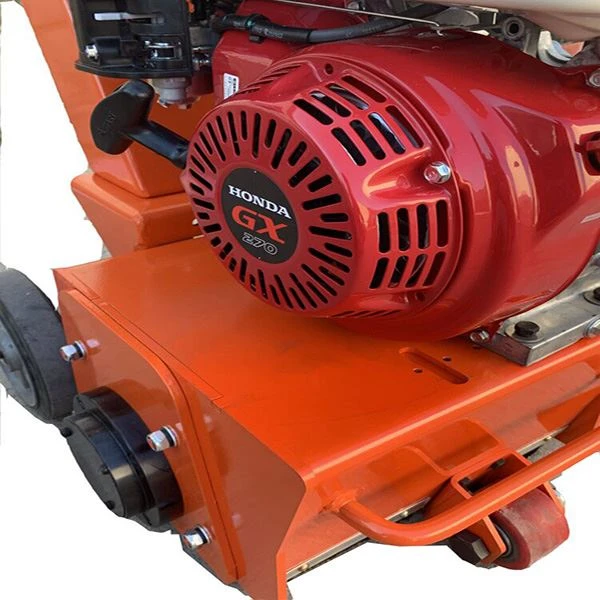
Before we discuss the application on uneven surfaces, let's first understand what a concrete scarifier is. A concrete scarifier is a powerful machine designed to remove surface materials from concrete floors. It works by using rotating cutting tools, such as blades or teeth, to grind, chip, or scrape away the top layer of concrete. These machines come in various types, including Electric Road Scarifier Machine, Floor Scarifier Machine, and Gasoline Floor Scarifier. Each type has its own advantages and is suitable for different applications.
The Challenge of Uneven Concrete Surfaces
Uneven concrete surfaces can pose several challenges. They may have bumps, depressions, cracks, or an irregular slope. These irregularities can be caused by various factors, such as improper pouring, settling of the foundation, or wear and tear over time. When it comes to using a concrete scarifier on such surfaces, the main concern is ensuring that the machine can effectively remove the surface material while maintaining a consistent depth of cut.
Can a Concrete Scarifier Be Used on Uneven Surfaces?
The short answer is yes, a concrete scarifier can be used on uneven concrete surfaces. However, there are several factors to consider to ensure optimal results.
1. Machine Design and Adjustability
Modern concrete scarifiers are designed with features that allow them to adapt to uneven surfaces. Many machines have adjustable cutting depths, which means you can set the machine to cut deeper in areas with thicker surface materials or higher bumps. Some scarifiers also have flexible cutting heads or multiple cutting discs that can follow the contours of the uneven surface more effectively.
For example, our Floor Scarifier Machine is equipped with an adjustable cutting depth mechanism, allowing operators to fine-tune the cutting depth according to the specific requirements of the uneven surface. This feature ensures that the machine can remove the surface material evenly, regardless of the irregularities.
2. Operator Skill and Experience
The effectiveness of using a concrete scarifier on uneven surfaces also depends on the operator's skill and experience. An experienced operator will be able to assess the surface conditions accurately and adjust the machine settings accordingly. They will also know how to maneuver the machine to ensure a consistent and smooth operation.
For instance, when dealing with a surface that has large depressions, the operator may need to make multiple passes with the scarifier, gradually reducing the cutting depth in each pass to avoid over-cutting. On the other hand, when encountering small bumps, the operator can increase the cutting depth slightly to remove the excess material.
3. Surface Preparation
In some cases, it may be necessary to perform some surface preparation before using a concrete scarifier on uneven surfaces. This can include filling in large cracks or depressions with a suitable patching material and leveling the surface as much as possible. Surface preparation can help improve the performance of the scarifier and ensure a more uniform result.
For example, if the uneven surface has deep cracks, filling them with a high-strength concrete patching compound can prevent the cutting tools from getting stuck or damaged during the scarifying process. Additionally, leveling the surface can reduce the risk of the machine tipping over or causing uneven cuts.
Benefits of Using a Concrete Scarifier on Uneven Surfaces
Despite the challenges, there are several benefits to using a concrete scarifier on uneven concrete surfaces.
1. Surface Restoration
A concrete scarifier can effectively remove old coatings, paint, adhesives, and other surface contaminants from uneven concrete surfaces. This can restore the surface to its original condition, making it suitable for new coatings, overlays, or other treatments.
For example, if an uneven concrete floor has a peeling epoxy coating, using a scarifier can remove the old coating and prepare the surface for a new epoxy application. This can improve the appearance and durability of the floor.

2. Surface Profiling
Scarifying an uneven concrete surface can create a rough texture or profile, which can enhance the bond between the concrete and subsequent coatings or overlays. This is particularly important for applications such as epoxy flooring, where a strong bond is essential for long-term performance.
For instance, when applying a new concrete overlay on an uneven surface, the rough profile created by the scarifier can provide better mechanical interlock between the overlay and the existing concrete, resulting in a more durable and long-lasting finish.
3. Leveling and Smoothing
In some cases, a concrete scarifier can also be used to level and smooth uneven concrete surfaces. By removing the high spots and filling in the low spots, the scarifier can create a more even surface for further finishing or use.
For example, if an uneven concrete patio has some areas that are higher than others, using a scarifier to remove the excess material can create a more level surface, making it safer and more comfortable to walk on.
Limitations and Considerations
While a concrete scarifier can be used on uneven concrete surfaces, there are some limitations and considerations to keep in mind.
1. Depth of Cut
The depth of cut of a concrete scarifier is limited by the machine's design and the strength of the concrete. If the uneven surface has very deep depressions or thick layers of surface material, it may not be possible to remove all the material in a single pass. In such cases, multiple passes may be required, which can increase the time and cost of the project.
2. Dust and Debris
Scarifying concrete generates a significant amount of dust and debris, which can be a health hazard if not properly managed. When working on uneven surfaces, the dust and debris may be more difficult to collect and contain, as the irregularities can cause the dust to spread more easily. It is important to use appropriate dust collection equipment and follow safety protocols to minimize the risk of exposure to dust.

3. Machine Wear and Tear
Using a concrete scarifier on uneven surfaces can put more stress on the machine's components, such as the cutting tools, bearings, and motors. This can lead to increased wear and tear, requiring more frequent maintenance and replacement of parts. It is important to choose a high-quality scarifier and follow the manufacturer's maintenance recommendations to ensure the longevity of the machine.
Conclusion
In conclusion, a concrete scarifier can be used on uneven concrete surfaces, but it requires careful consideration of several factors, including machine design, operator skill, surface preparation, and the specific requirements of the project. When used correctly, a concrete scarifier can provide significant benefits, such as surface restoration, profiling, and leveling. However, it is important to be aware of the limitations and take appropriate precautions to ensure a safe and successful operation.
If you are considering using a concrete scarifier for your uneven concrete project, I encourage you to contact us for more information. Our team of experts can help you choose the right machine for your needs and provide you with guidance on how to use it effectively. We are committed to providing high-quality products and excellent customer service, and we look forward to assisting you with your concrete scarifying needs.
References
- Concrete Construction Handbook, various editions
- Manufacturer's manuals for concrete scarifiers