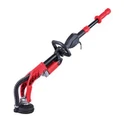
Hey there! As a supplier of Concrete Floor Grinders, I often get asked if there are cordless concrete floor grinders available. Well, the short answer is yes! In this blog, I'm gonna dive deep into the world of cordless concrete floor grinders, talk about their pros and cons, and give you the lowdown on how they stack up against their corded counterparts.
The Rise of Cordless Concrete Floor Grinders
In recent years, there's been a significant shift in the power tool industry towards cordless options. This trend hasn't skipped over the concrete floor grinder market either. Cordless concrete floor grinders have become a hot topic among contractors, DIY enthusiasts, and anyone looking to get the job done without the hassle of cords.


One of the main drivers behind the popularity of cordless grinders is the freedom they offer. You're not tied down to a power outlet, which means you can move around freely on the job site. This is especially useful in large areas or places where access to power is limited. Whether you're working on a remote construction site or a basement renovation, a cordless grinder gives you the flexibility to work where you need to.
How Cordless Concrete Floor Grinders Work
Cordless concrete floor grinders are powered by rechargeable batteries. These batteries come in different voltages and capacities, which determine the grinder's power and runtime. Higher voltage batteries generally provide more power, but they also tend to be heavier and more expensive.
The grinder itself works in a similar way to a corded model. It uses rotating diamond or abrasive discs to grind, polish, or level concrete floors. The difference is that instead of being plugged into an electrical outlet, it runs on battery power. Some cordless grinders also come with features like variable speed control, which allows you to adjust the grinding speed based on the type of concrete and the task at hand.
Advantages of Cordless Concrete Floor Grinders
Mobility
As I mentioned earlier, the biggest advantage of cordless grinders is their mobility. You can take them anywhere without having to worry about finding a power source or dealing with long extension cords. This makes them ideal for jobs that require a lot of movement, such as grinding large warehouse floors or outdoor concrete slabs.
Ease of Use
Cordless grinders are generally lighter and more compact than corded models, which makes them easier to handle. They're also less likely to get tangled up in cords, which can be a safety hazard on the job site. This makes them a great option for beginners or anyone who wants a more user-friendly grinder.
Reduced Noise
Cordless grinders tend to be quieter than corded ones. This is because they don't have a motor that's constantly running on electricity. If you're working in a residential area or a noise-sensitive environment, a cordless grinder can be a big plus.
Disadvantages of Cordless Concrete Floor Grinders
Limited Runtime
The biggest drawback of cordless grinders is their limited runtime. Depending on the battery capacity and the intensity of the work, you may need to recharge the battery several times during a job. This can be a hassle, especially if you're working on a tight schedule.
Lower Power
In general, cordless grinders have less power than corded models. This means they may not be as effective at grinding through thick or hard concrete. If you're working on a heavy-duty job, you may need to use a corded grinder instead.
Higher Cost
Cordless grinders and their batteries can be more expensive than corded models. This is because the technology behind the batteries is still relatively new and expensive. However, as the technology improves and becomes more widespread, the cost is likely to come down.
Comparing Cordless and Corded Concrete Floor Grinders
When deciding between a cordless and a corded concrete floor grinder, it's important to consider your specific needs and the nature of your work. If you need a grinder for occasional, light-duty jobs or for work in areas with limited power access, a cordless grinder may be the way to go. On the other hand, if you're doing heavy-duty, continuous grinding, a corded grinder is probably a better choice.
Here's a quick comparison table to help you make an informed decision:
| Feature | Cordless Grinder | Corded Grinder |
|---|---|---|
| Mobility | High | Low |
| Power | Low to Medium | High |
| Runtime | Limited | Unlimited |
| Noise Level | Low | High |
| Cost | High | Low |
Our Range of Concrete Floor Grinders
At our company, we offer a wide range of concrete floor grinders, including both cordless and corded options. Whether you're a professional contractor or a DIY enthusiast, we have the right grinder for your needs.
Check out our Grinder Floor Machine for a versatile and powerful option. If you're looking for a grinder specifically for epoxy floors, our Concrete Diamond Epoxy Floor Grinder is a great choice. And for grinding cement floors, our Cement Floor Grinder is up to the task.
Conclusion
So, are there cordless concrete floor grinders available? Absolutely! Cordless grinders offer a lot of advantages, such as mobility, ease of use, and reduced noise. However, they also have some limitations, like limited runtime and lower power. When choosing a grinder, it's important to consider your specific needs and the nature of your work.
If you're interested in learning more about our concrete floor grinders or have any questions, feel free to reach out. We're here to help you find the perfect grinder for your project. Whether you're in the market for a cordless or a corded model, we've got you covered. Let's get your concrete floors looking their best!
References
- Industry reports on power tool trends
- Manufacturer specifications for concrete floor grinders